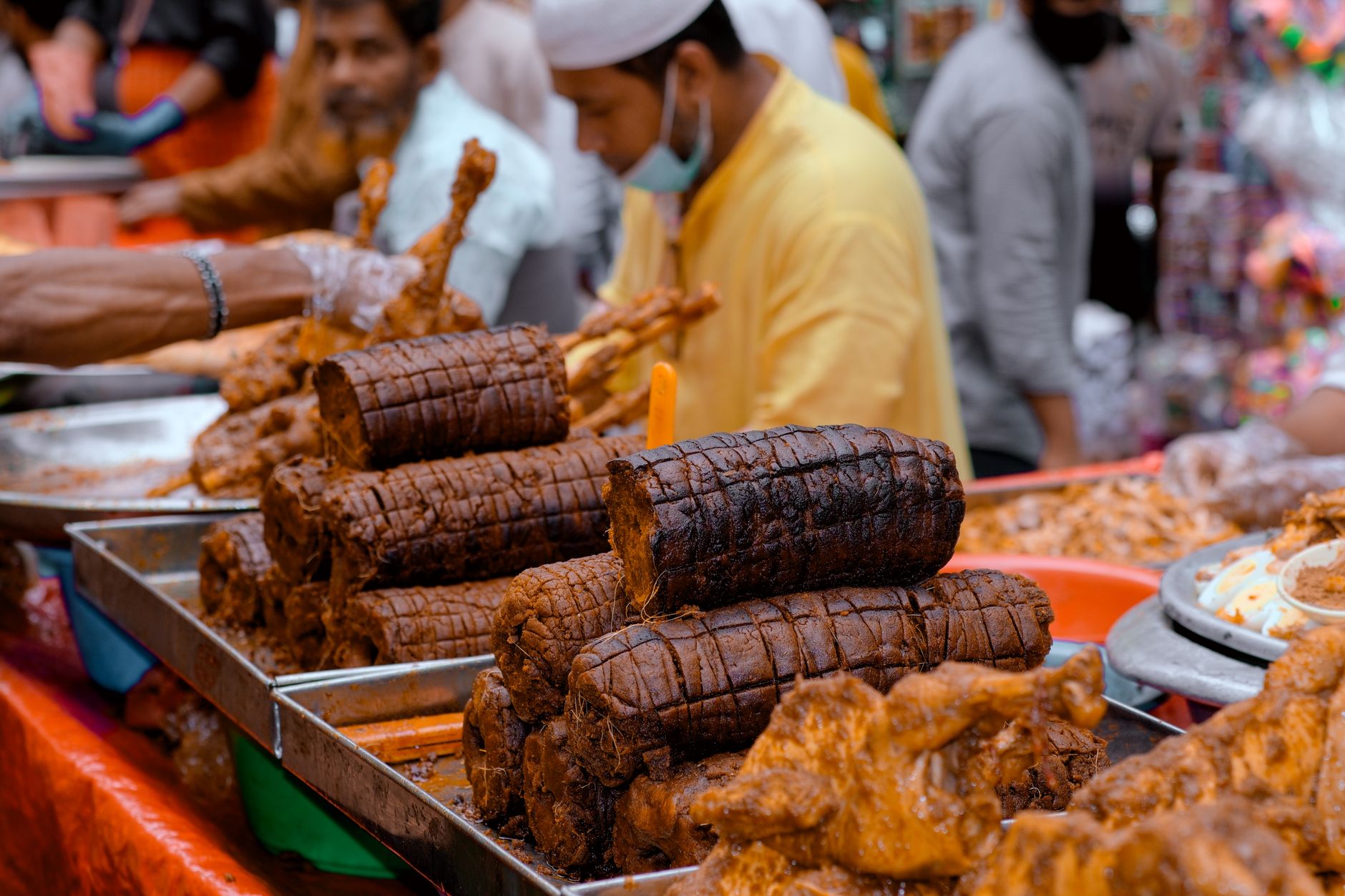
A halal certificate is only accepted in the Gulf if the body that issued it is accredited by the GCC Accreditation Center (GAC) against the GSO 2055 standards and separately recognised by the destination country's authority, such as the Saudi Halal Center at the SFDA or the Ministry of Industry and Advanced Technology (MOIAT) in the UAE. International reputation alone is not enough. If the certifier is missing from the destination list, the consignment can be refused at the port even when the meat itself is genuinely halal.
This is one of the most expensive mistakes an importer of frozen chicken or beef can make, because it is discovered late, usually at customs, after freight and demurrage have already accrued. This guide explains how the GCC recognition system is layered, which Brazilian certifiers operate inside it, and what to check before a single container is booked.
Why the GCC treats halal as a conformity assessment problem
In most importing regions, halal is handled as a religious assurance provided by the supplier. In the Gulf Cooperation Council states, it has been folded into the formal conformity assessment system that also governs product standards, testing and accreditation. That shift is what created the layered structure importers deal with today.
The practical consequence is that a halal claim now has to survive three separate questions:
- Is the slaughter and production process actually halal? This is the religious and technical audit, carried out at the plant.
- Is the certification body competent and impartial? This is accreditation, assessed against the GSO 2055 series.
- Does the destination country accept that specific body? This is recognition, and it is granted country by country.
A supplier can pass the first and still fail the third. That is why buyers who only ask "is it halal certified?" are asking an incomplete question.
The three layers of GCC halal recognition
1. The GSO 2055 standards
The Gulf Standardization Organization publishes the GSO 2055 series, which sets out halal requirements for food and the requirements for the certification bodies themselves. GSO 2055-2 in particular defines what a halal certification body must demonstrate: competence of religious and technical auditors, documented audit procedures, impartiality safeguards, traceability controls and record keeping. It is the benchmark that accreditation is measured against.
2. GAC accreditation
The GCC Accreditation Center, based in Riyadh, accredits halal certification bodies against those standards. GAC accreditation is scope-specific rather than blanket. A body may be accredited for slaughter and meat products but not for logistics and storage, or for food but not for cosmetics. Brazilian certifiers have progressively widened their accredited scopes, including into transport, storage and retail categories, which matters if your programme involves consolidation or re-export inside the region.
3. Country-level recognition
Accreditation is necessary but not sufficient. Each GCC member then decides which accredited bodies it will accept:
- Saudi Arabia. The Saudi Food and Drug Authority operates the Saudi Halal Center, which publishes the list of recognised halal certification bodies. Importers of meat and meat products are expected to present a halal certificate, and in many cases a halal shipment certificate, issued only by a recognised body.
- United Arab Emirates. MOIAT registers halal certification bodies and maintains the approved accreditation bodies list that feeds into it. The UAE also operates the Halal National Mark as a further conformity layer.
- Qatar, Kuwait, Oman and Bahrain. These markets generally align with the GSO framework and GAC accreditation, with national authorities applying their own verification at import.
Rule of thumb for buyers: accreditation tells you the certifier is competent, recognition tells you your destination will accept them. You need both, and you need them valid on the date of certification, not just today.
Brazilian halal certification bodies used for GCC-bound meat
Brazil is one of the largest halal protein suppliers in the world, and its certification ecosystem developed alongside that trade rather than after it. The bodies most commonly seen on Brazilian meat documentation include:
| Certification body | Background | Typical scope seen on meat exports |
|---|---|---|
| FAMBRAS Halal | Tied to the federation of Muslim associations in Brazil, one of the oldest certifiers in the country | Slaughter and meat, food and beverage, logistics and supply chain |
| CDIAL Halal | Long-established Latin American certifier, among the first in the region to obtain GAC accreditation | Slaughter and meat, food, traceability from farm to export |
| SIIL Halal | Newer body with growing acceptance across Gulf and Southeast Asian markets | Slaughter and meat, food categories |
Scopes and recognitions change. Treat the table above as an orientation to the landscape, not as a substitute for checking the current published lists at the destination authority before you contract.
How halal certification sits alongside SIF and the health certificate
Halal certification does not replace Brazil's federal veterinary controls. Every plant exporting animal protein must hold a Federal Inspection Service registration, and the consignment travels with an official health certificate issued under the Ministry of Agriculture and Livestock. Halal certification is an additional, parallel layer covering the religious and process requirements.
For a GCC-bound container of frozen protein, a complete document set will normally include the export health certificate, the halal slaughter certificate, and where required the halal shipment or consignment certificate tied to that specific lot. If you want the underlying inspection framework explained, see our overview of [what SIF certification means](/blog/what-is-sif-certification) and our broader [halal food export guide](/blog/halal-food-export-brazil-guide).
A pre-shipment verification checklist for importers
- Name the destination first. Recognition is country-specific. Ask which authority list you are relying on before you evaluate the certificate.
- Check the certifier against the current published list. Use the destination authority's own register rather than the certifier's marketing material.
- Check the scope, not just the name. Confirm the body is accredited for slaughter and meat, and for storage or logistics if your chain requires it.
- Match the plant number. The halal certificate should reference the same establishment number that appears on the health certificate and the carton labels.
- Confirm validity dates. The certification must be valid at the time of slaughter and production, not merely at the time of shipment.
- Ask whether a shipment certificate is required. Several GCC markets expect a per-consignment halal document in addition to the plant certificate.
- Confirm cold-chain and segregation controls. Halal integrity has to hold through storage and transport, which is precisely why logistics scopes exist.
Common reasons GCC halal documentation is rejected
- The certifier is internationally known but not on the destination country's recognised list.
- The body is accredited, but not for the product category or activity in question.
- The establishment number on the halal certificate does not match the health certificate.
- The certificate expired between production and arrival, or was issued after the production date.
- A required per-shipment halal certificate was not issued at all.
- Labelling does not carry the halal mark or certifier reference in the form the destination expects.
What this means when you choose a supplier
The most reliable indicator that an exporter understands GCC requirements is not how loudly it advertises halal, but how precisely it can answer scope and recognition questions for your specific destination. A supplier that immediately asks which country you are importing into, and then names the certifier, the accredited scope and the document set, is working inside the system. One that simply replies "yes, all halal" is not yet giving you anything a customs officer can act on.
Brazil Prime Foods Export supplies halal-certified frozen protein from federally inspected Brazilian plants. If you are building a GCC programme, review our [certifications page](/certifications), browse our [frozen chicken](/frozen-chicken) and [frozen beef](/frozen-beef) ranges, and [request a quote](/quote) with your destination country stated so the documentation set can be confirmed up front.
Using recognition information without getting caught out
Recognition is a dated status, not a permanent attribute. A certifier accepted for a market last year may not be accepted today, and recognition can be granted for some product categories and not others. Build two checks into your process: a written confirmation from your exporter of certifier recognition and establishment listing for your destination, dated within days of loading, and a second confirmation from your customs broker who deals with the receiving authority daily. Where the two disagree, do not ship until the discrepancy is resolved.
What to keep on file
- Certifier name, accreditation reference and validity dates.
- Establishment name, code and the destination listing that covers it.
- Consignment halal certificate with serial number and original seal.
- Health certificate and matching invoice, packing list and bill of lading.
- Carton photographs showing establishment code and production date.
That file answers customer audits, supports a detention response and shortens future clearances because your broker can reuse a proven template. See also JAKIM, MUI and GCC standards compared.
Questions to put to your exporter in writing
Which certifier holds the plant's halal certification, and under which accreditation reference; is that certifier currently recognised for my destination; is the establishment on my destination authority's list for this product category; will the consignment certificate name my company as consignee and my country as destination; and who pays and who acts if a certificate must be reissued. Ask for answers by email rather than by phone, because those answers become part of your compliance file.
Why this matters commercially
Detentions caused by certification mismatches rarely end in condemnation of the goods; they end in weeks of storage, plug-in and demurrage charges, a stressed customer and product arriving with less remaining shelf life than the market expects. The controls above cost minutes per shipment and remove nearly all of that exposure.
Frequently asked questions
- What does GAC accreditation actually mean for a halal certificate?
- It means the certification body has been assessed by the GCC Accreditation Center against the GSO 2055 standards and found competent and impartial for a defined scope of activities. It is a statement about the certifier, not about any individual consignment.
- Is GAC accreditation enough for Saudi Arabia?
- Not on its own. Saudi Arabia additionally expects the certifier to be recognised by the Saudi Halal Center operating under the SFDA, and for meat consignments a halal certificate, and often a halal shipment certificate, issued by that recognised body.
- Are UAE and Saudi requirements identical?
- They share the same GSO foundation but are administered separately. The UAE registers halal certification bodies through MOIAT and operates its own Halal National Mark, so a body accepted in one market should still be verified against the other market's list.
- Which Brazilian halal certifiers are used for GCC exports?
- FAMBRAS Halal, CDIAL Halal and SIIL Halal are the bodies most frequently seen on Brazilian meat documentation for Gulf destinations. Their accredited scopes differ and change over time, so confirm the current position for your product category.
- Does halal certification replace the SIF registration or the health certificate?
- No. SIF registration and the official export health certificate are veterinary and food safety controls issued under Brazil's federal system. Halal certification is an additional layer covering religious and process requirements, and GCC consignments normally require both.
- What is a halal shipment certificate?
- It is a consignment-level document confirming that the specific lot being shipped was produced under the certifier's halal programme. Several Gulf markets require it in addition to the plant-level halal certificate, so confirm the requirement before booking.
References & further reading
Explore our export catalogue
Brazil Prime Foods Export coordinates frozen-meat sourcing and export for wholesale buyers in eligible markets. Confirm the supplying plant and documentation for your order.
Request support
Ask our export team about pricing, specifications, documentation or shipping for your order.
Request a QuoteContact us
Direct line to our trade desk in Brazil, calls, WhatsApp and email.
Contact our team