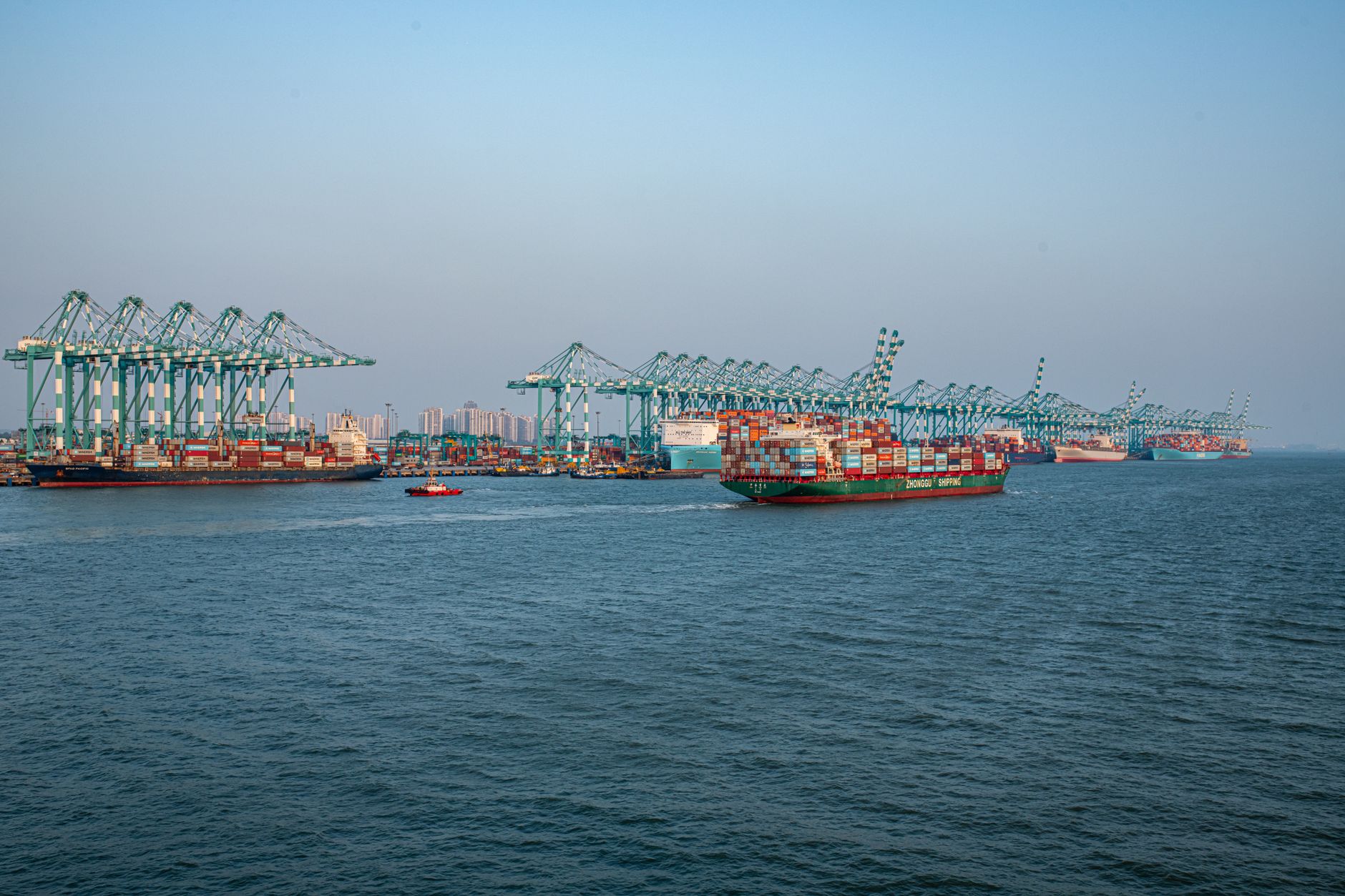
To import Brazilian frozen pork into China, you must buy from a plant that holds both Brazilian SIF inspection and an active registration with Chinese customs (GACC), ship under a MAPA-issued Chinese-format health certificate, and clear import inspection at a Chinese port. Only a limited group of Brazilian pork plants is enabled for China, so supplier eligibility is the first check, before price or volume.
Why China matters for Brazilian pork
China is one of the largest buyers of Brazilian pork, and demand there is driven by its domestic pork cycle, disease pressure on local herds and the need for stable imported supply. In June 2026 China publicly recognized Brazil as free of foot-and-mouth disease without vaccination. According to trade press, this opened the way for enabled plants to request expanded authorization for bone-in cuts and offal, products that were previously limited to plants in Santa Catarina. ABPA, the Brazilian animal protein association, has estimated meaningful additional annual volume from the change. Treat these as market signals, and confirm current product scope plant by plant before contracting.
Step 1: Confirm the plant is enabled for China
China does not accept pork from any Brazilian plant that simply holds SIF approval. The plant must be listed in the Chinese customs (GACC) registry for Brazil, and the product category you want must be covered by that listing. Brazil's agriculture ministry (MAPA) coordinates the plant enablement process, and the list changes as new plants are approved or suspended. Ask your supplier for:
- The plant's SIF number and its GACC registration status
- The product scope enabled for China (for example boneless cuts, bone-in cuts, offal)
- Recent audit or inspection history relevant to China
You can read how SIF works in our guide to what SIF certification means, and how to check claims in how to verify exporter certifications.
Step 2: Choose the right product
Chinese buyers commonly source pork cuts for processing, foodservice and retail. Typical requests include boneless shoulder and ham trimmings, bellies, ribs and, where enabled, offal such as feet and stomachs. Cut definitions, fat limits and packing format should be written into the specification. Our Brazilian pork cuts reference and bone-in vs boneless pork comparison help you align terms with the plant. Browse current options on the frozen pork page.
Step 3: Understand the documents
Chinese customs expects the shipment to be traceable to an enabled plant and covered by official certification. The core file normally includes:
- Official veterinary health certificate issued under MAPA supervision in the format agreed with China
- Commercial invoice and packing list matching the certificate
- Bill of lading with container and seal numbers
- Certificate of origin where required for duty treatment
- Product labeling in line with Chinese requirements, including plant registration number and production dates
Details change, so confirm the current checklist with your customs broker. For background, see our pork export health certificates guide and export documentation checklist.
Step 4: Plan the cold chain and the port
Frozen pork travels at a core temperature of minus 18 degrees Celsius or colder. Transit from Brazilian ports such as Itajai, Navegantes or Paranagua to major Chinese ports takes several weeks, so reefer set points, pre-trip checks and loading discipline matter. Read about reefer container temperatures and preventing temperature excursions. Chinese ports run inspection, sampling and sometimes nucleic acid or residue testing, and delays can trigger demurrage, which is why our guide to demurrage and detention is worth reading before your first order.
Step 5: Structure the commercial terms
Most first orders are priced FOB or CIF on a full 40-foot reefer. Payment is usually a deposit with balance against documents, or a letter of credit for new relationships. Compare structures in letters of credit vs T/T and Incoterms 2020 for food importers. For container sizing, see MOQ and container economics.
Common mistakes new Chinese importers make
- Assuming any SIF plant qualifies. Without GACC registration, the shipment can be rejected at the port.
- Ignoring product scope. A plant may be enabled for boneless cuts but not offal or bone-in items.
- Mismatched documents. Small differences between certificate, invoice and label cause costly holds.
- Underbudgeting time. Registration of an importer entity, label approval and inspection add weeks.
How Brazil Prime Foods Export can help
We work with Brazilian pork suppliers and help buyers check plant eligibility, align specifications and prepare shipping documents. Review our certifications, then send your cut list, volume and destination port through the quote request form, or contact our team with questions. We will confirm what is currently possible for your target market before you commit.
Frequently asked questions
- Can Brazil export frozen pork to China?
- Yes. Brazil exports pork to China from plants that are enabled by Chinese customs and hold Brazilian SIF inspection. Only enabled plants and product categories may ship.
- Which Brazilian plants can ship pork to China?
- Only plants listed in the Chinese customs (GACC) registry for Brazil. Ask your supplier for the plant's SIF number and its current China enablement and product scope.
- What documents does China require for imported frozen pork?
- Typically an official health certificate in the agreed format, commercial invoice, packing list, bill of lading and, where needed, a certificate of origin. Labels must carry plant registration and production details. Confirm the current list with your broker.
- Did China change access for Brazilian pork in 2026?
- In June 2026 China recognized Brazil as free of foot-and-mouth disease without vaccination, which trade press reported could allow enabled plants to seek wider access for bone-in cuts and offal. Check each plant's current scope.
- What temperature must frozen pork be shipped at?
- Minus 18 degrees Celsius or colder at core, maintained throughout the reefer journey, with temperature records available for inspection.
- How long does shipping Brazilian pork to China take?
- Ocean transit generally takes several weeks depending on port pairing and routing, plus time for loading, customs and inspection at destination.
References & further reading
Explore our export catalogue
Brazil Prime Foods Export coordinates frozen-meat sourcing and export for wholesale buyers in eligible markets. Confirm the supplying plant and documentation for your order.
Request support
Ask our export team about pricing, specifications, documentation or shipping for your order.
Request a QuoteContact us
Direct line to our trade desk in Brazil, calls, WhatsApp and email.
Contact our team