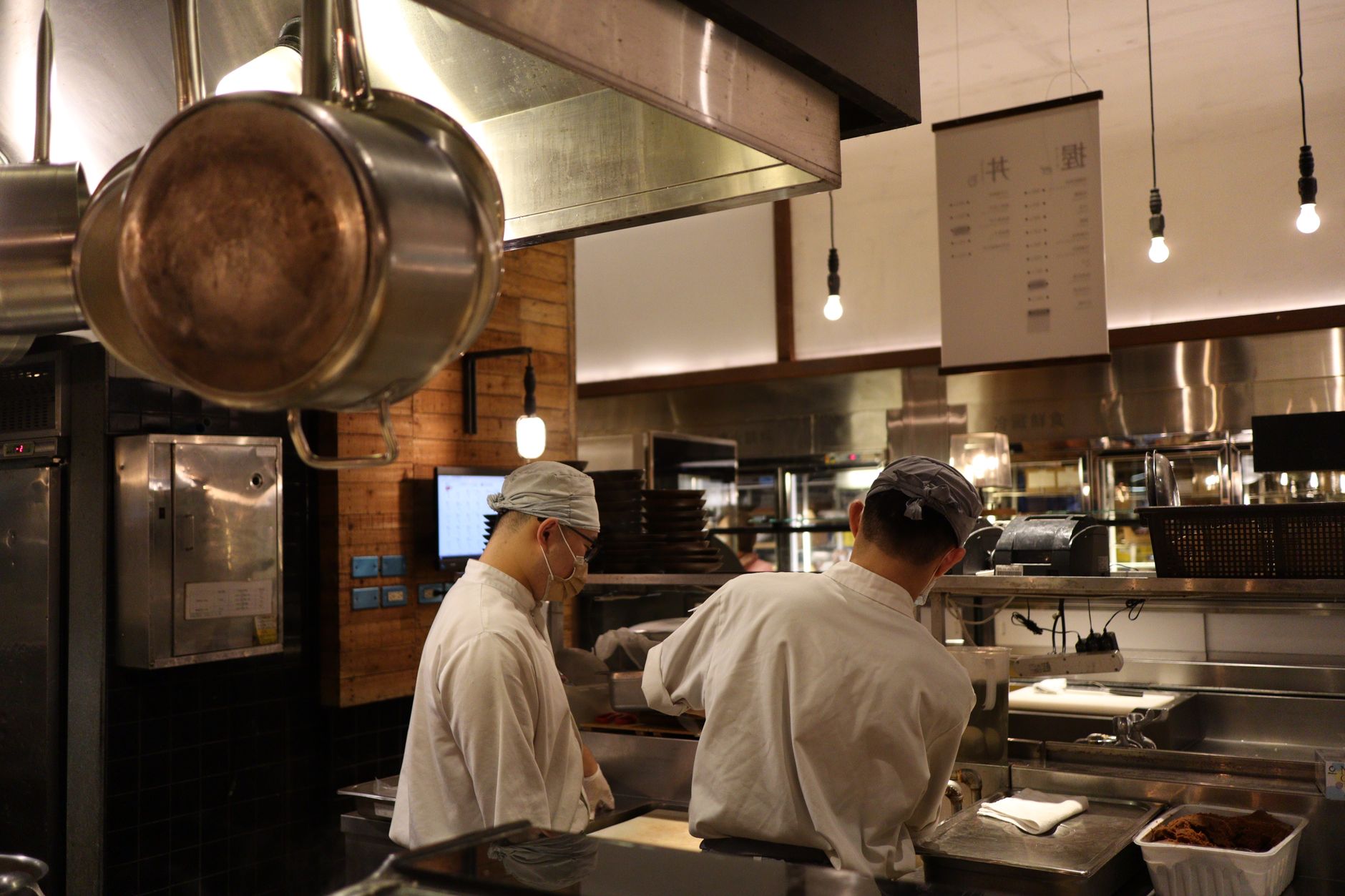
The short answer
HORECA stands for Hotel, Restaurant and Cafe (or Catering), and it is the collective name for the out-of-home foodservice channel: every hotel kitchen, restaurant, cafe, canteen and catering operation that prepares and serves food to people away from home. For a frozen food exporter it is one of the two great demand engines, sitting alongside retail, and it buys differently: larger pack sizes, consistent specifications, reliable year-round supply and documentation that satisfies both food-safety inspectors and the operator's own procurement rules.
The acronym comes from the Dutch words Hotel, Restaurant and Cafe, and it spread across Europe before becoming standard shorthand in the Middle East, Africa and Asia. You will also see it written HoReCa. Whichever spelling a buyer uses, they mean the same thing: professional kitchens that turn raw and semi-prepared ingredients into finished meals for guests, diners and travellers.
What the HORECA channel covers
HORECA is broad. It stretches from a five-star hotel banquet kitchen to a roadside shawarma stand, and each segment has its own volumes, price sensitivity and product formats. Understanding the segments helps an exporter match the right cut, grade and pack to the right buyer.
| Segment | Typical operators | What they buy |
|---|---|---|
| Hotels | Hotels, resorts, serviced apartments | Broad menus, consistent premium cuts, banquet volumes |
| Restaurants | Fine dining, casual, fast-casual, chains | Standardised cuts and portions, predictable specifications |
| Cafes and quick service | Cafes, coffee shops, bakeries, street food, QSR | Portioned, easy-to-cook items such as wings, fillets, burgers |
| Catering and contract | Airlines, camps, hospitals, schools, event caterers | Large uniform lots, strict traceability and certification |
Taken together these operators represent an enormous share of world food consumption. The global foodservice market is measured in the trillions of dollars, and in many import-dependent economies a large part of the protein those kitchens serve arrives frozen from a handful of major exporting nations. That is where Brazil enters the picture.
Why HORECA matters to food importers and exporters
Retail and HORECA are not the same customer wearing different hats. They plan differently, and a supplier who understands the difference wins more repeat business.
HORECA buys for the kitchen, not the shelf
A supermarket wants retail-ready packs, attractive printing and barcodes for the checkout. A professional kitchen wants the opposite: bulk catering packs, uniform piece counts, and a specification the head chef can rely on every single week. Consistency matters more than presentation. A chef who builds a menu around a 200 gram chicken breast fillet needs that same weight and yield in every carton, because portion control drives food cost and menu pricing.
Volume, continuity and price discipline
HORECA buyers, especially chains and contract caterers, commit to steady volumes and value continuity of supply above almost everything else. A stockout forces a menu change, which is expensive and visible to guests. Exporters who can guarantee year-round availability, hold specifications stable and communicate clearly about shipping timelines become preferred partners rather than spot suppliers.
What HORECA buyers typically look for from a frozen protein supplier includes:
- Consistent specification: the same cut, weight range, trim and yield in every shipment.
- Appropriate pack formats: bulk and catering cartons rather than small retail sleeves.
- Reliable cold chain: product held and shipped at the correct frozen temperature with an unbroken chain.
- Food-safety documentation: plant certification, health certificates and, in many markets, halal certification.
- Traceability: the ability to trace a carton back to the plant and production date.
How Brazilian frozen products fit HORECA demand
Brazil is the world's largest exporter of chicken and one of the largest exporters of beef, and its plants are built for exactly the scale and consistency that HORECA procurement demands. According to the Brazilian Animal Protein Association (ABPA), Brazilian poultry reaches more than 150 markets worldwide, which means most importing kitchens already work with Brazilian-origin protein in some form.
The core Brazil Prime Foods range maps neatly onto HORECA menu needs:
- Frozen chicken: whole birds, leg quarters, portioned breast fillets, wings and boneless cuts that suit everything from banquet roasts to quick-service fryers.
- Frozen beef: forequarter and hindquarter cuts, trimmings and portioned steaks for hotel and restaurant menus.
- Frozen pork: cuts and trimmings for markets where pork is on the menu, including hotels serving international guests.
Formats and cold chain built for professional kitchens
Most HORECA protein moves as individually quick frozen product, because it lets a chef remove exactly the number of pieces needed without thawing a whole block. If that term is new, our explainer on what IQF means covers it in detail. IQF pieces are then packed into catering cartons, palletised and loaded into reefer containers held at the standard frozen setpoint. The discipline that keeps that product safe from plant to kitchen is governed by HACCP, the hazard-analysis system behind every compliant export shipment.
For HORECA buyers, the specification sheet is the contract. Agree the cut, the weight range, the trim and the certification up front, and the rest of the relationship runs on trust.
Building a HORECA supply relationship
Selling into foodservice is a relationship, not a transaction. A distributor or importer supplying hotels and restaurants needs a source that behaves like a partner: predictable, certified and responsive. Practical steps for an importer building a HORECA book of business include agreeing clear written specifications, requesting product and plant documentation before the first order, starting with a manageable volume to test kitchen acceptance, and locking in a supply cadence once the product performs.
Certification is often the deciding factor. Hotels and international caterers frequently require plant approval, health certification and, across the Middle East, North Africa and much of Asia, valid halal certification. You can review the approvals Brazil Prime Foods works with on our certifications page. Global bodies such as the Food and Agriculture Organization (FAO) also publish guidance on food safety and cold chain practice that underpins how modern foodservice supply is managed.
Whether you supply a single restaurant group or a national catering network, the fundamentals are the same: match the cut to the menu, hold the specification steady, protect the cold chain and keep the paperwork clean. Do that and HORECA becomes a durable, repeatable channel rather than a series of one-off deals.
Ready to supply the foodservice channel?
Brazil Prime Foods supplies importers, distributors and foodservice buyers with SIF-approved, halal-certified frozen chicken, beef and pork in catering formats. Request a quote with your target cuts and volumes, or contact our export team to discuss HORECA supply for your market.
How HORECA buying differs from retail buying
HORECA covers hotels, restaurants and catering, and its purchasing logic is driven by plate cost and kitchen labour rather than shelf price. A chef will pay more per kilogram for a cut that arrives portion ready, because it removes butchery time and makes food cost predictable to the cent. Retail buyers optimise the opposite way, accepting more in house work when the shelf price gap justifies it. Suppliers who ignore this difference send the wrong specification to the wrong channel and lose the account on handling, not on price.
| Dimension | HORECA | Retail |
|---|---|---|
| Key metric | Cost per portion | Margin per shelf unit |
| Preferred format | Portioned, tight weight bands | Bulk or consumer packs |
| Order size | Frequent, smaller drops | Container or pallet volumes |
| Packaging need | Easy open, resealable, clear labels | Barcode and consumer labelling |
| Tolerance for variation | Low, affects cook time | Moderate |
Serving HORECA demand from an import programme
Importers supplying this channel need three capabilities. A cold store that can break containers into small drops without breaking the chain. A specification discipline that keeps weight bands consistent from shipment to shipment, because a chef notices a fifty gram drift immediately. And a substitution policy agreed in advance, so a short lot is covered with a named alternative cut rather than an unannounced change.
Practical steps
- Standardise on two or three portion sizes per cut instead of many, then hold them.
- Buy IQF formats where kitchens draw small quantities daily, to avoid thawing waste.
- Provide preparation guidance with the first delivery so results match expectations.
- Agree delivery windows that fit kitchen receiving hours, not warehouse convenience.
Format choice matters most here, so see what IQF frozen food is and, for poultry specifics, leg quarters versus whole birds. To build a HORECA focused specification across frozen chicken, beef and pork, browse our product range or contact us.
Onboarding a HORECA account without surprises
The first ninety days decide whether a foodservice account stays. Start with a written specification sheet per cut that lists portion weight, trim, pack format and expected yield, then confirm it against the first delivery with the chef present. Agree a service level in plain terms: order cut off time, delivery window, minimum drop size and what happens when a lot runs short. Record complaints by lot code so a pattern can be traced to a shipment rather than argued in general terms.
Pricing should be quoted per portion alongside per kilogram, because that is the number the kitchen manages. When freight or exchange rates move, present the change with the underlying driver and the effect on plate cost, which keeps the conversation factual and protects the relationship. Consistency of specification, not the lowest quotation, is what retains this channel over years.
Frequently asked questions
- What does HORECA stand for?
- HORECA stands for Hotel, Restaurant and Cafe (the last letters are sometimes read as Catering). It is a Dutch-origin acronym used worldwide to describe the out-of-home foodservice channel: professional kitchens that prepare and serve food to guests, diners and travellers rather than selling ingredients for home cooking.
- How is HORECA different from retail for a food supplier?
- Retail buyers want small, printed, barcoded consumer packs for the shelf. HORECA buyers want bulk and catering cartons, uniform piece counts and a stable specification the kitchen can rely on every week. HORECA also values continuity of supply very highly, because a stockout forces an expensive menu change.
- Which Brazilian frozen products suit HORECA buyers?
- Portioned and IQF frozen chicken (breast fillets, wings, leg quarters, whole birds), frozen beef cuts and trimmings, and frozen pork cuts all map onto professional kitchen menus. Catering pack formats and consistent weight ranges make these products practical for hotels, restaurants, caterers and quick-service operators.
- Why is certification important for HORECA supply?
- Hotels, airlines and contract caterers often require plant approval, health certification and, across many markets, valid halal certification before they will list a product. Certification protects the operator's guests and reputation, so it is frequently the deciding factor in whether a supplier is accepted.
- What pack sizes do HORECA kitchens prefer?
- Professional kitchens generally prefer bulk catering cartons of individually quick frozen pieces, so a chef can take out only the portions needed without thawing a whole block. Uniform piece weights matter because portion control drives food cost and menu pricing.
- How do I start supplying frozen protein to foodservice buyers?
- Agree a written specification, request plant and product documentation up front, start with a manageable trial volume to confirm kitchen acceptance, then lock in a regular supply cadence. Working with a certified exporter that can guarantee year-round availability makes the relationship durable.
References & further reading
Explore our export catalogue
Brazil Prime Foods Export coordinates frozen-meat sourcing and export for wholesale buyers in eligible markets. Confirm the supplying plant and documentation for your order.
Request support
Ask our export team about pricing, specifications, documentation or shipping for your order.
Request a QuoteContact us
Direct line to our trade desk in Brazil, calls, WhatsApp and email.
Contact our team