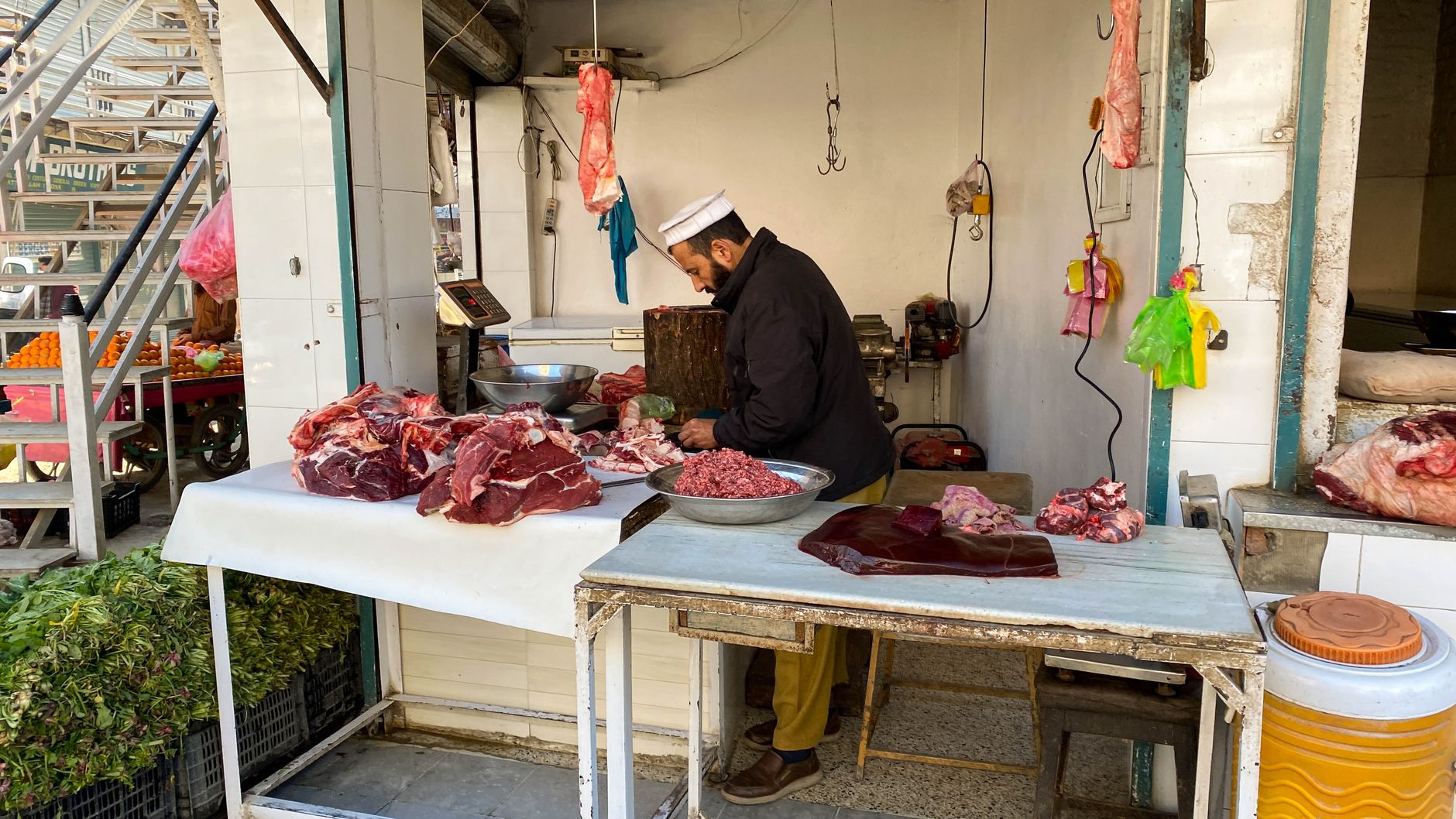
For buyers in the Middle East, North Africa and much of Asia, halal status is not a nice-to-have, it is the condition of sale. Brazil, the world's largest exporter of chicken meat, has built one of the most mature halal supply systems of any origin, which is a large part of why it is the leading poultry supplier to Saudi Arabia and the wider Gulf. Still, “halal frozen chicken from Brazil” covers a range of certifiers, accreditations and plant approvals that importers need to read correctly. This guide explains how the system works and exactly what to verify before you contract.
What makes Brazilian chicken halal
Halal certification confirms that the product complies with Islamic dietary law across the whole chain, not just at the moment of slaughter. In practice, an approved Brazilian plant maintains several controls at once:
- Slaughter method: birds are slaughtered by a Muslim slaughterman following the prescribed rites, with the required invocation.
- Segregation: halal lines are kept separate from any non-halal production, with dedicated equipment or validated cleaning between runs.
- Traceability: batch codes tie finished cartons back to the approved line and certification, so a shipment can be verified on arrival.
- Ingredient control: marinades, coatings and additives on further-processed lines must themselves be halal-compliant.
Layered on top of this is Brazil's federal sanitary system. Every export plant carries an SIF registration under the Ministry of Agriculture, so halal certification always sits alongside, not instead of, the federal food-safety baseline.
The main halal certifiers in Brazil
Brazil does not run a single state halal seal. Instead, accredited certification bodies audit plants and issue certificates recognised in destination markets. The three most widely referenced are:
| Certifier | Notes | Typical recognition |
|---|---|---|
| FAMBRAS Halal | Federation of Muslim Associations in Brazil; one of the oldest and most established certifiers | GCC, Malaysia, Indonesia and others |
| CDIAL Halal | Islamic Dissemination Center for Latin America; audits producers from raw material to logistics | Middle East and parts of Asia |
| SIIL Halal | Accredited certifier serving Brazilian exporters | Gulf and other markets |
Each deploys both religious auditors, who verify the slaughter and segregation, and technical auditors, who check the food-safety and management systems. The certificate a plant holds, and its scope, is what an importer should read, because recognition varies by destination.
Why accreditation matters more than the logo
A halal logo on a carton means little on its own. What matters is whether the certifier that issued it is accredited by the authority in your destination country. This is the single most common point of confusion for new buyers.
For the Gulf, the reference point is the GCC Accreditation Center (GAC), which accredits halal certification bodies so their certificates are accepted across member states. Major Brazilian certifiers, including FAMBRAS, CDIAL and SIIL, have held GAC accreditation, and that accreditation has been extended over time to cover additional categories such as transport, storage and retail. Separately, the Kingdom of Saudi Arabia works through the Saudi Food and Drug Authority (SFDA), which sets halal requirements for products entering the Saudi market.
Other destinations run their own recognition lists. Malaysia works through JAKIM, Indonesia through its national halal authority, and the UAE applies the Emirates scheme. A certificate that is perfect for one market can be invalid in another, so accreditation must be matched to the destination, every time.
Standards behind the certificate
Reputable Brazilian certifiers audit against recognised halal standards rather than an in-house rulebook. Two you will see referenced are the Gulf standard family (the GSO series used across GCC states) and Malaysia's MS 1500. These standards define slaughter, segregation, hygiene and management requirements, which is why a certificate audited against them carries weight with importing authorities. When you receive documentation, the standard cited on the certificate is a quick signal of which markets it is built for.
Plant approvals: the second layer
Halal certification travels with the plant, not just the exporter. A destination market approves specific establishments, identified by their plant number, to ship into that country. This creates two conditions that must both be true for a compliant shipment:
- The producing plant must hold a valid halal certificate from a certifier your destination recognises.
- That same plant must appear on your destination's list of approved establishments for poultry.
An exporter can hold excellent certifications overall, yet the specific plant that produces your order may not be approved for your specific country. Always tie the certificate and the approved-plant status to the exact plant number on your shipment. Brazil's standing as the top poultry supplier to Saudi Arabia and a major supplier across the Gulf reflects how many of its plants clear both layers, but the check still belongs on every order.
What importers should verify before contracting
A short due-diligence routine prevents most halal clearance problems. Before you confirm an order, ask for and read the following:
- Certifier and accreditation: which body issued the halal certificate, and is it recognised by your destination authority (GAC, SFDA, JAKIM, or the local scheme).
- Plant number and approval: the SIF plant number producing your order, confirmed as approved for your country.
- Certificate scope and validity: that it covers the exact products and is current, not expired.
- Batch traceability: that carton batch codes map back to the certificate for verification on arrival.
- Labelling: that halal marks and destination-language label content meet local rules.
Getting these confirmed in writing at the quote stage is far cheaper than resolving a query at the destination port. You can start that conversation on our quote page, and we will return the certifier, plant approval and specification details with pricing.
Matching certification to your market
Because recognition is destination-specific, the practical answer is always “it depends on where the container is going.” A few common patterns:
| Destination | Reference authority | What to confirm |
|---|---|---|
| Saudi Arabia | SFDA | Recognised certifier plus plant approved for Saudi Arabia |
| UAE and wider GCC | GAC / Emirates scheme | GAC-accredited certifier and approved plant |
| Malaysia | JAKIM | Certifier recognised by JAKIM |
| Indonesia | National halal authority | Recognised certifier and registration |
For a broader view of everything that travels with a poultry shipment, from grades to cold chain, see our pillar guide to importing Brazilian frozen chicken, and browse the current range on the frozen chicken page. Halal lines are available across whole birds and cuts, including the frozen whole chicken favoured for Gulf retail.
From plant approval to the carton in your cold store
Certification only has value if it is traceable to the specific cartons you receive. The chain runs from the halal-supervised slaughter run, to the batch and lot records inside the plant, to the production date code and establishment number printed on the carton, to the consignment halal certificate and health certificate, to your goods-in record. Build your intake process to capture establishment code, production date and lot per pallet, and file the document set against it. That is what allows you to answer a retail customer's halal query at lot level rather than in general terms.
Verification steps that take minutes and save weeks
- Confirm the certifier is recognised in your destination on the date of issue.
- Confirm the establishment is on the destination authority's current list for poultry.
- Match certificate fields to the invoice, packing list and carton markings.
- Check production dates fall inside the certified period and satisfy your shelf-life clause.
- Confirm original documents are couriered with tracking and copies sent ahead.
What certification does not cover
Halal certification addresses religious compliance, and federal inspection addresses sanitary compliance. Neither sets your commercial quality. Glaze percentage, size grading accuracy, bone fragment tolerance in portioned cuts, packaging quality and lot-to-lot consistency are contractual matters, so write them into the purchase contract with tolerances and an agreed remedy. Related reading: halal poultry export standards and what SIF certification means.
Questions to ask a new supplier
Ask which establishment will produce the order and whether it is listed by your destination authority for poultry, which certifier holds the plant's halal certification and whether it is recognised in your market, whether the plant uses reversible stunning or dedicated non-stun runs, how halal and non-halal production are segregated if both exist, and whether a document set from a previous shipment to your market can be shared as a template. Clear answers to those five questions indicate a supplier who controls its own compliance rather than one relaying assurances.
Confirm status before each loading
Ask for written confirmation of establishment listing and certifier recognition shortly before every loading, not only when the programme starts.
Conclusion
Brazil offers one of the deepest halal poultry supply bases in the world, backed by established certifiers, GCC accreditation and a federal inspection system. The buyer's job is to read that system correctly: confirm the certifier is recognised in your market, confirm the producing plant is approved for your country, and tie both to the batch codes on your cartons. Do that, and halal frozen chicken from Brazil is a dependable, compliant choice for demanding markets.
Sourcing halal chicken for your market? Request a quote and our export team will confirm certifier, plant approval and specifications within 24 hours, or contact us with your destination and requirements.
Frequently asked questions
- Is Brazilian frozen chicken halal certified?
- Much of it is. Brazilian export plants can be certified by accredited bodies such as FAMBRAS, CDIAL and SIIL. Always confirm the certificate is recognised by your destination authority and that the producing plant is approved to ship there.
- Which halal certifiers are used in Brazil?
- The most widely referenced are FAMBRAS Halal, CDIAL Halal and SIIL Halal. Each uses religious and technical auditors and issues certificates recognised in various destination markets.
- Is a halal logo on the carton enough?
- No. What matters is whether the certifier that issued it is accredited by the authority in your destination, such as the GCC Accreditation Center or the Saudi Food and Drug Authority. Match the certifier to the market.
- Does halal replace SIF certification?
- No. Halal certification sits alongside Brazil's federal SIF registration. An export plant holds both: SIF for federal food safety and a halal certificate for religious compliance.
- What is a plant approval and why does it matter?
- Destination markets approve specific plants, by plant number, to export poultry to them. Your order's plant must both hold a recognised halal certificate and appear on your country's approved-plant list.
- What should I ask an exporter before ordering halal chicken?
- Request the certifier and its accreditation, the SIF plant number and its approval for your country, the certificate scope and validity, and confirmation that carton batch codes trace back to the certificate.
Frozen Chicken from Brazil
Brazilian frozen chicken for wholesale buyers, with specifications confirmed per order.
Explore frozen chickenReferences & further reading
Explore our export catalogue
Brazil Prime Foods Export coordinates frozen-meat sourcing and export for wholesale buyers in eligible markets. Confirm the supplying plant and documentation for your order.
Request support
Ask our export team about pricing, specifications, documentation or shipping for your order.
Request a QuoteContact us
Direct line to our trade desk in Brazil, calls, WhatsApp and email.
Contact our team