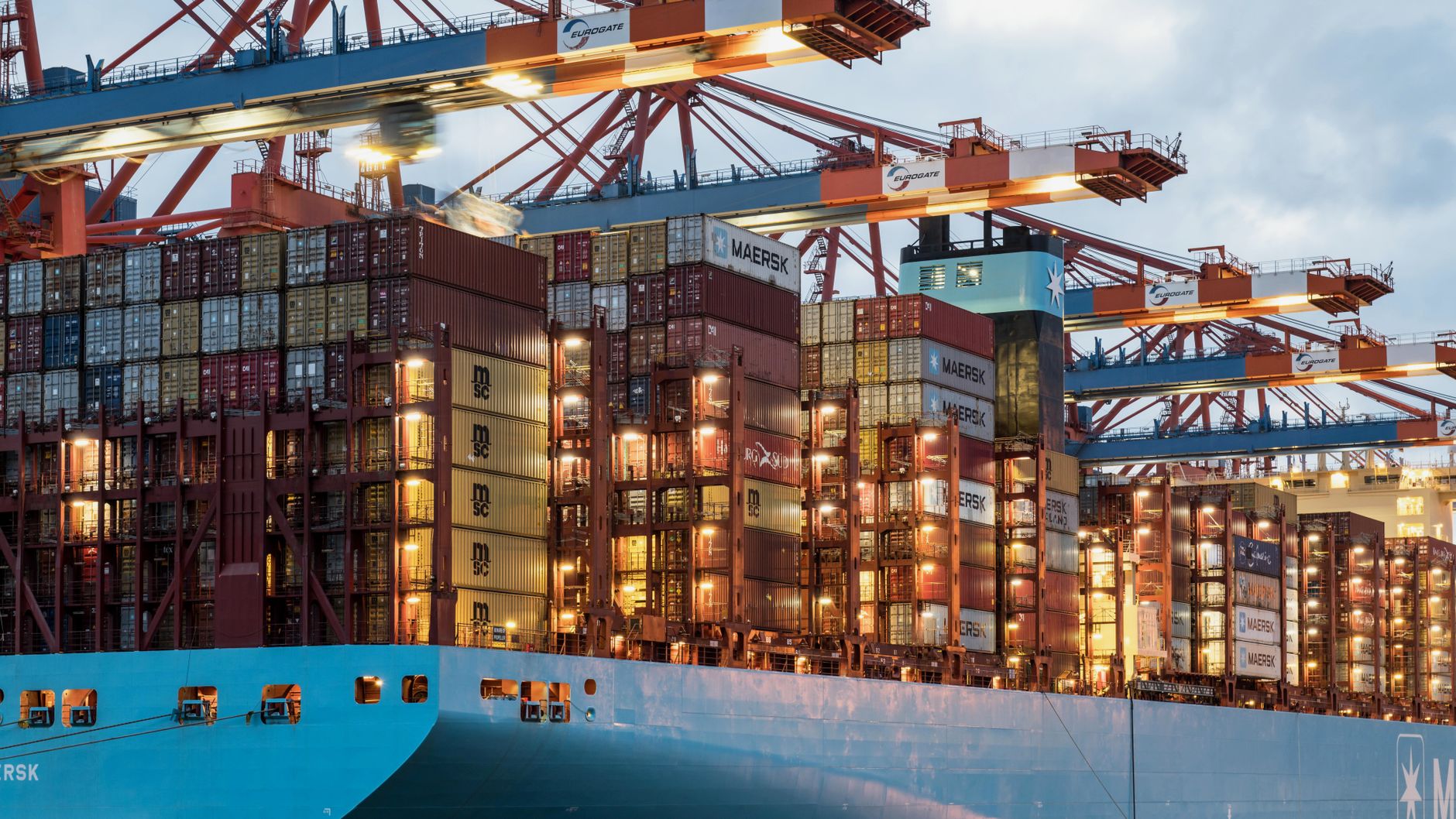
To import Brazilian frozen chicken, beef or pork into Great Britain after Brexit, the product must come from an establishment approved to export to Great Britain, travel with the correct export health certificate, be pre-notified on the UK IPAFFS system, and enter through a border control post equipped for meat. The UK now runs its own import regime, separate from the European Union, so buyers should not assume EU paperwork or EU-approved plant lists apply.
Why the UK is its own market for Brazilian meat
Since Brexit, Great Britain (England, Scotland and Wales) sets its own food safety and animal health rules. Brazilian meat is treated as a third-country import. That means the Food Standards Agency (FSA), DEFRA, APHA and local port health authorities apply their own controls. Northern Ireland follows different arrangements under the Windsor Framework, so importers serving it should confirm requirements separately.
The UK is a demanding but rewarding destination: a large foodservice sector, strong retail demand for poultry, and steady interest in beef and pork for processing. Buyers here tend to value documentation discipline, traceability and consistent specifications more than headline price.
Step 1: Confirm the plant is approved for Great Britain
Meat products must come from establishments approved to export to Great Britain. The UK government publishes a dataset of approved establishments, and importers should check that the specific Brazilian plant, and the product category, appear on it before signing a contract. Being a SIF-registered plant in Brazil is necessary but does not by itself mean the plant is listed for the UK. For background on the Brazilian federal inspection mark, see our guide to SIF certification.
Step 2: Get the right health certificate
Medium and high risk animal products need an export health certificate, issued by the competent authority in the exporting country using the UK model certificate, or an importer declaration where the rules allow. In Brazil, certification is handled by the Ministry of Agriculture (MAPA). The certificate must match the consignment exactly: product description, plant number, lot and container details. Small mismatches are a common cause of delay. Our explainer on SPS certificates covers how these documents work.
Step 3: Pre-notify through IPAFFS
Products of animal origin subject to veterinary checks must be notified to the border control post through the UK's IPAFFS system, at least one working day before the goods are expected to arrive. The notification produces a Common Health Entry Document, which is validated after the checks are completed. The importer or their agent usually files this, so agree in advance who is responsible.
Step 4: Enter through a suitable border control post
Frozen meat must arrive at a point of entry that has a border control post approved for that product type. Officials may carry out documentary, identity and physical checks, and a fee is charged for the inspection. Because the fee and capacity vary by location, ask your chosen port health authority or agent for current charges. Reefer containers usually arrive through major container ports, and planning around inspection slots helps avoid cold-chain delays. See our notes on customs clearance for frozen food and on avoiding demurrage.
What the FSA decision means for Brazilian beef and poultry
The UK previously applied enhanced import controls to Brazilian beef and poultry following the 2017 Carne Fraca investigation. In February 2024 the FSA published a recommendation to lift those enhanced controls, noting that Brazilian authorities had taken significant steps to strengthen their food safety control system. Imports remain subject to risk-based checks at the border, and intensified official controls can still be applied if non-compliant consignments are found. In practice, a clean compliance record matters: repeated non-conformities can bring tighter scrutiny again. Always verify the current position on the FSA and GOV.UK pages before shipping.
Product notes: chicken, beef and pork
- Frozen chicken: Popular for cuts, wings and boneless products. Buyers often ask for detailed specifications and consistent packaging. See frozen chicken.
- Frozen beef: Traceability and cut specifications are key for processors and foodservice. See frozen beef.
- Frozen pork: Confirm plant listing for pork specifically, since approvals are product-specific. See frozen pork.
Halal, labelling and buyer requirements
The UK has no government halal certification scheme for imports. Halal is a commercial requirement set by the buyer, retailer or the consumer community, so importers usually specify an accepted certification body in the contract. Labelling, allergen and traceability rules for the UK market are separate from Brazilian requirements, so agree who prepares compliant labels before production.
Practical checklist for UK importers
- Verify plant and product approval for Great Britain.
- Agree the export health certificate wording and issuing process.
- Choose the port and border control post, and confirm fees and capacity.
- Assign IPAFFS notification responsibility.
- Set Incoterms, cold-chain temperature and documentation timelines in the contract.
For a comparison with another regulated market, read our Singapore import guide. When you are ready to discuss volumes, specifications and pricing, request a quote or review our certifications.
Official sources: the GOV.UK guidance on importing animal products and the Food Standards Agency.
Frequently asked questions
- Can I import Brazilian frozen chicken into the UK?
- Yes, if the plant is approved to export to Great Britain, the consignment has the correct export health certificate, and it is notified through IPAFFS and cleared at a suitable border control post.
- Is EU approval enough to sell Brazilian meat in the UK?
- No. Since Brexit, Great Britain maintains its own list of approved establishments and its own certificates, so EU approval does not automatically apply.
- Does the UK require halal certification?
- There is no government halal scheme for imports. Halal is a commercial requirement set by buyers, so contracts should name the accepted certification body.
- How early must I notify a UK border control post?
- Goods subject to veterinary checks must be notified through IPAFFS at least one working day before expected arrival.
- Are there extra controls on Brazilian beef and poultry?
- The FSA recommended lifting enhanced controls in February 2024, but risk-based border checks continue and stricter controls can return if non-compliant consignments are found.
- Does this guide cover Northern Ireland?
- No. It covers Great Britain. Northern Ireland follows different rules under the Windsor Framework and should be checked separately.
References & further reading
Explore our export catalogue
Brazil Prime Foods Export coordinates frozen-meat sourcing and export for wholesale buyers in eligible markets. Confirm the supplying plant and documentation for your order.
Request support
Ask our export team about pricing, specifications, documentation or shipping for your order.
Request a QuoteContact us
Direct line to our trade desk in Brazil, calls, WhatsApp and email.
Contact our team