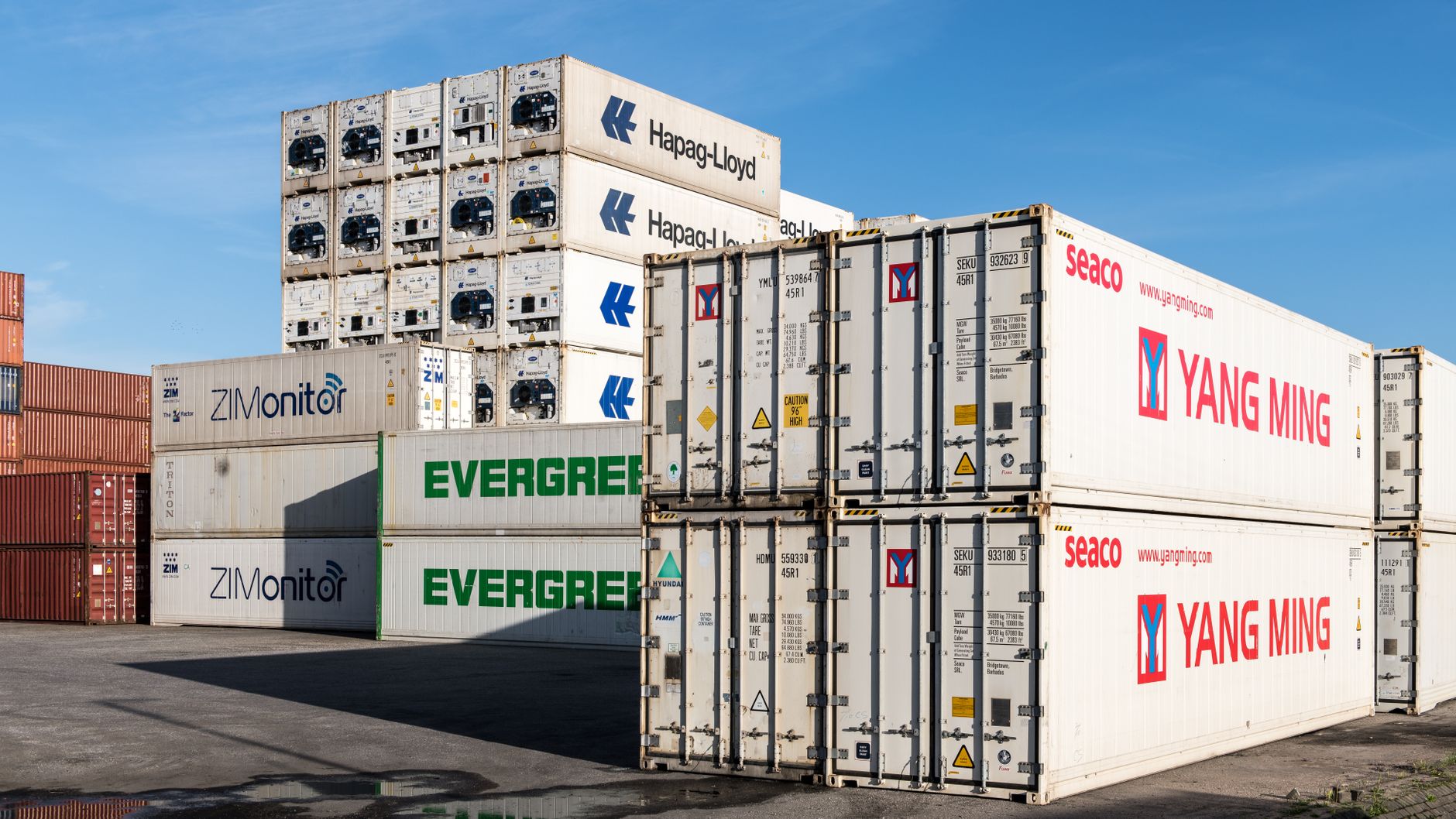
Customs clearance for frozen food is the process of getting a refrigerated container of chicken, beef or pork legally released at the destination port, and most delays come from four avoidable causes: documents that do not match each other, wrong tariff classification, missing sanitary or halal approvals, and paperwork that is lodged only after the ship arrives. Because frozen cargo keeps accruing reefer power, storage and demurrage charges every day it sits at the terminal, a clearance that slips by a week can erase the margin on a container. This guide explains how clearance works for Brazilian frozen meat and how importers can keep it fast.
What Customs Clearance Involves for Frozen Meat
For general cargo, clearance is mostly a fiscal check: customs confirms the goods, their value and their origin, then collects duties and taxes. Frozen meat adds a second, parallel track. Veterinary or food safety authorities at the destination must confirm that the product comes from an approved country, an approved establishment and an approved certificate model, and they may inspect or sample the cargo before release.
In practice, a frozen meat container usually passes through these stages:
- Pre-arrival lodgement: the importer or customs broker submits the import declaration, manifest data and supporting documents electronically before the vessel berths.
- Risk assessment: customs and the food authority decide whether the shipment is released on documents, sent for a document check, or selected for physical inspection and sampling.
- Documentary control: officers compare the health certificate, commercial invoice, packing list, bill of lading and certificate of origin against each other and against the declaration.
- Physical and identity checks: where selected, seals are verified, cartons are counted and labels checked, product temperature may be probed, and samples may be taken for laboratory analysis.
- Payment and release: duties and taxes are settled, and the terminal receives a release so the container can move to a cold store or the buyer's facility.
Many countries run the fiscal and sanitary tracks through a single window, while others still require separate approvals. Your customs broker should confirm which model applies before the first shipment.
The Most Common Causes of Clearance Delays
1. Mismatched documents
This is one of the most frequent causes of holds. The veterinary health certificate is issued by Brazil's Ministry of Agriculture (MAPA) and must describe the product, net weight, number of cartons, establishment (SIF) number, container and seal numbers in a way that agrees with the invoice, packing list and bill of lading. A different product name, a rounded weight or a transposed seal number can be enough for an officer to hold the container until a corrected or replacement document arrives. Our export documentation checklist lists the full document set and the fields that must match.
2. Incorrect HS classification
Frozen meat falls under Chapter 2 of the Harmonized System, but the exact heading and subheading depend on species, whether the product is bone-in or boneless, whole or in cuts, and in some markets on the specific cut. A declaration under the wrong code can trigger a query, change the duty payable, or call for a licence or permit the importer does not hold. Where the tariff treatment is uncertain, many customs administrations offer binding advance rulings, a facility that WTO members commit to under the WTO Trade Facilitation Agreement.
3. Missing market or establishment approvals
A health certificate is only valid if the destination country has agreed that certificate model with Brazil and has listed the producing plant as eligible. If a plant is not on the destination's approved list, or the certificate uses an outdated model, the shipment can be refused entry regardless of product quality. We explain how these approvals work in SPS certificates explained, and species-specific details are covered in our guides to beef health certificates and pork health certificates.
4. Halal documentation gaps
For Middle Eastern and many Asian and African markets, the halal certificate is a condition of entry, not a marketing claim. It must come from a certification body the destination recognises and must reference the same production lots as the health certificate. See our guide to halal documentation for the Middle East for the details importers should verify.
5. Late or original-document dependency
Some authorities still require original paper certificates, or legalised copies, before release. If originals travel by courier after the vessel sails and arrive late, the container waits. Electronic certification is expanding, but where originals are required they should be dispatched early and tracked.
6. Temperature and labelling findings at inspection
Where a container is opened, inspectors may check that product is hard frozen, that the reefer download shows no significant excursion, and that carton labels carry the required information in an accepted language. Labelling rules vary widely by country, so artwork should be approved by the importer before production. Our article on reefer container temperatures explains the set points buyers should specify.
Typical Hold Causes and How to Prevent Them
| Hold cause | Who usually fixes it | Prevention step |
|---|---|---|
| Weight, carton or seal mismatch between documents | Exporter and MAPA | Send draft health certificate and invoice to the importer for review before issue |
| Wrong HS code on declaration | Importer and broker | Agree codes per SKU in advance; use advance rulings where available |
| Plant not listed for destination | Exporter | Confirm plant eligibility on the destination's approved list at contract stage |
| Halal certificate not recognised | Exporter and certifier | Name the accepted certification body in the purchase contract |
| Originals not received | Exporter and courier | Courier originals promptly and share tracking with the broker |
| Label non-compliance | Importer and exporter | Approve label artwork against destination rules before production |
How Importers Can Speed Up Clearance
Customs authorities do recognise that perishables need faster handling. The WTO Trade Facilitation Agreement asks members to allow documents to be lodged before goods arrive, to release perishable goods within the shortest possible time when all regulatory requirements are met, and to give perishables priority when scheduling examinations. These commitments help, but they depend on the importer's paperwork being complete and correct on arrival. The practical steps below make the biggest difference:
- Lodge early: ask your broker to file the declaration as soon as the bill of lading and certificates are available, not when the vessel berths.
- Review drafts: insist on draft copies of the health certificate, invoice and packing list before the certificate is signed, since corrections after issue take far longer.
- Book cold storage near the port: if inspection is likely, arranging an approved cold store in advance limits the cost of waiting.
- Keep a clean compliance record: many risk systems select fewer inspections for importers with a history of compliant shipments, and some countries offer authorised operator programmes with simplified procedures.
- Align Incoterms with responsibilities: under most terms used for Brazilian meat, import clearance is the buyer's responsibility, so the buyer must appoint a broker early. Our guide to Incoterms 2020 for food importers explains who does what.
- Plan for free time: know the carrier's free days for your port and track them from discharge, as explained in our article on demurrage and detention.
What the Exporter Should Do
A reliable exporter reduces clearance risk before the container is loaded. At Brazil Prime Foods Export we confirm destination eligibility for each plant, match every document field against the order, share drafts for buyer approval, and dispatch originals with tracking. Whether you are buying frozen chicken, frozen beef or frozen pork, the goal is a shipment that clears on documents wherever possible.
Clearance rules differ by country and change over time, so always confirm current requirements with your destination food authority and a licensed customs broker. For an example of how a destination authority structures reinspection of imported meat, see the USDA FSIS import guidance.
Planning a first shipment or changing destination markets? Request a quote or contact our export team and we will walk through the document set for your country before you commit.
Frequently asked questions
- How long does customs clearance take for a frozen meat container?
- It varies by country, port and inspection selection. A container released on documents alone can clear quickly, while one selected for physical inspection and laboratory sampling can take considerably longer. Lodging documents before the vessel arrives and making sure every document matches are the two biggest factors an importer controls.
- What documents are needed to clear Brazilian frozen meat through customs?
- Typically the veterinary health certificate issued by MAPA, commercial invoice, packing list, bill of lading and certificate of origin, plus an import permit or licence where the destination requires one and a halal certificate for markets that require halal. Exact requirements depend on the destination country.
- Why was my frozen chicken container held at customs?
- The most common reasons are discrepancies between the health certificate and the commercial documents, an incorrect HS code, a producing plant or certificate model not approved by the destination, a missing or unrecognised halal certificate, or original documents arriving late. Your customs broker can usually tell you which applies from the hold notice.
- Who is responsible for import customs clearance, the buyer or the exporter?
- Under the Incoterms most often used for Brazilian meat, such as FOB, CFR and CIF, import clearance and duties are the buyer's responsibility. Only under DDP does the seller take on import clearance. The exporter remains responsible for supplying correct export and sanitary documents.
- Can frozen meat be stored in a cold store while waiting for clearance?
- In many countries, yes. The WTO Trade Facilitation Agreement asks members to arrange or allow proper storage of perishable goods pending release, and some permit release procedures at the storage facility. Rules differ by port, so confirm with your broker and book approved cold storage in advance if inspection is likely.
- How can I reduce the chance of physical inspection?
- Submit complete, consistent documents early, classify products correctly, work with approved plants and recognised halal certifiers, and build a record of compliant shipments. Many risk-based systems select fewer inspections for importers with a clean history, and some countries offer authorised operator programmes.
References & further reading
Explore our export catalogue
Brazil Prime Foods Export coordinates frozen-meat sourcing and export for wholesale buyers in eligible markets. Confirm the supplying plant and documentation for your order.
Request support
Ask our export team about pricing, specifications, documentation or shipping for your order.
Request a QuoteContact us
Direct line to our trade desk in Brazil, calls, WhatsApp and email.
Contact our team