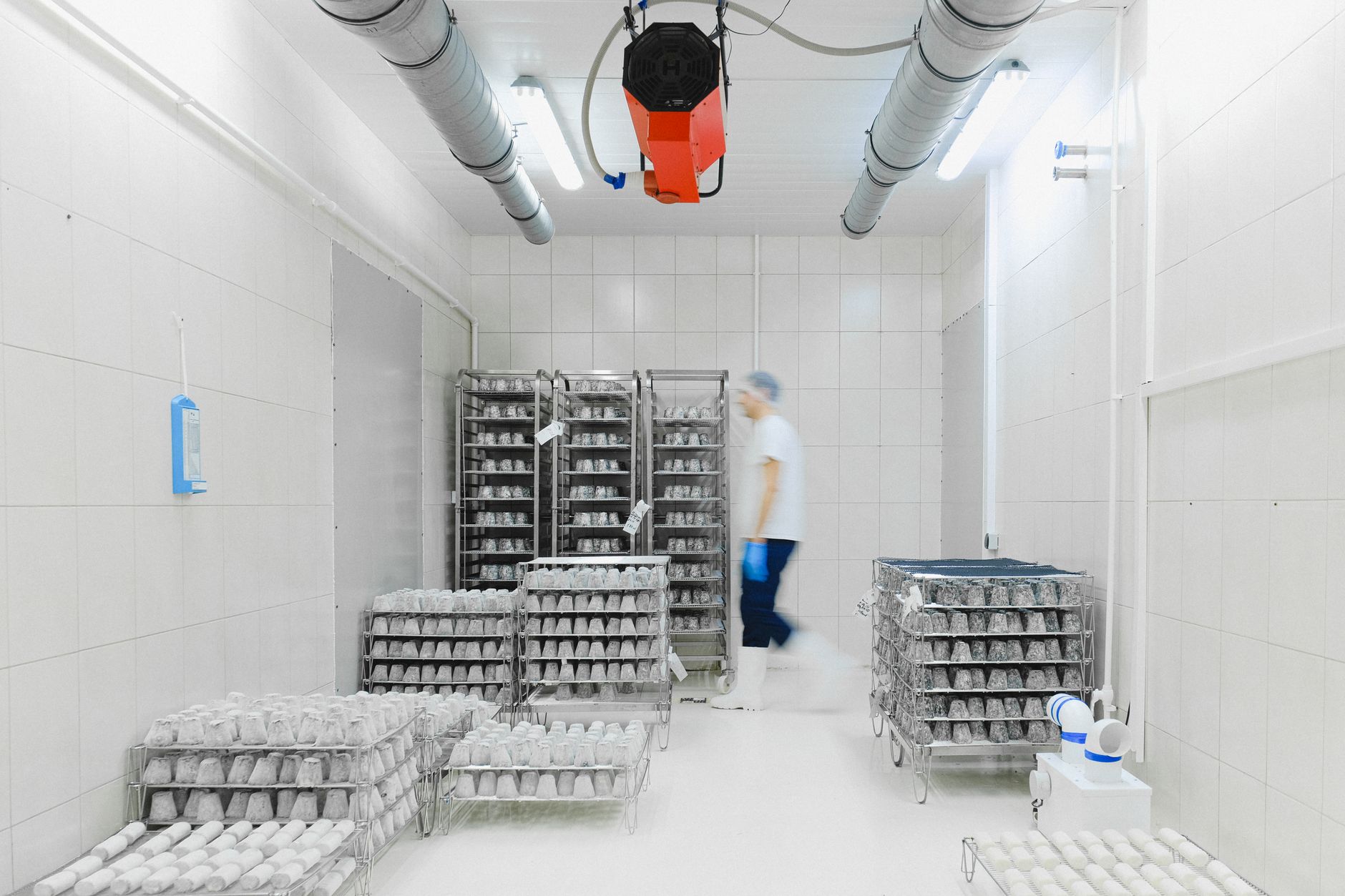
The short answer
Chilled beef ships fresh and never frozen at roughly -1.5 to 0 degrees Celsius for a premium, short shelf life measured in weeks, while frozen beef is deep-frozen to -18 degrees Celsius or colder for a long shelf life of about 12 months, lower freight risk and larger volumes. The right choice depends on your destination market, transit distance, price positioning and how quickly you can move product after arrival.
Brazil is the world's largest beef exporter and ships both formats from federally inspected plants. Understanding the trade-offs helps importers, wholesalers and foodservice buyers order the format that matches their cold chain and their customers. This guide compares chilled and frozen Brazilian beef on shelf life, temperature, cost, risk and market fit, and shows when each one wins.
What chilled and frozen beef actually mean
Chilled beef is fresh meat held just above its freezing point, typically between -1.5 and 0 degrees Celsius, and vacuum-packed to protect it. It is never frozen at any stage. Held correctly, vacuum-packed chilled beef can stay acceptable for several weeks, and well-managed programmes on optimal temperatures have kept primals in good condition for 100 days or more. In practice, exporters and buyers plan chilled shipments around a usable window of roughly 60 to 120 days from packing, depending on the cut, the plant and how tightly the cold chain holds.
Frozen beef is taken down to -18 degrees Celsius or colder, which halts microbial growth and locks in condition. Vacuum-packed whole-muscle frozen beef carries a recommended quality window of around 12 months, and meat kept continuously frozen stays safe well beyond that, though eating quality slowly declines. Frozen product covers everything from boxed primals and portion cuts to bulk block-frozen trimmings for grinding.
Rule of thumb: chilled sells freshness and premium presentation over weeks. Frozen sells shelf life, flexibility and volume over months.
Side-by-side comparison
| Factor | Chilled beef | Frozen beef |
|---|---|---|
| Storage temperature | -1.5 to 0 degrees Celsius | -18 degrees Celsius or colder |
| Typical shelf life | Weeks (often planned around 60 to 120 days) | About 12 months for quality |
| Packaging | Vacuum-packed cuts and primals | Vacuum-packed cuts or bulk frozen blocks |
| Price positioning | Premium, fresh presentation | Competitive, high volume |
| Transit tolerance | Low: time-sensitive | High: forgiving on long routes |
| Best transport | Air freight or short-transit reefer | Reefer container by sea |
| Cold chain risk | Higher: small excursions matter | Lower: more margin for delay |
| Typical buyers | Premium retail, hotels, steakhouses | Wholesalers, processors, broad retail, HORECA |
Shelf life and the cold chain
Shelf life is the clearest difference. Chilled beef relies on holding a very narrow temperature band from the moment it is packed until it reaches the plate. Even brief warming shortens its usable life and can compromise the vacuum seal, so chilled programmes suit short transit routes, air freight, or destinations with dependable, unbroken refrigeration.
Frozen beef is far more forgiving. At -18 degrees Celsius, microbial activity stops, so a delay at port or a longer sailing does not ruin the cargo the way it can with chilled. That resilience is why the large majority of Brazil's long-haul beef trade moves frozen in reefer containers. For a deeper look at temperature control and container handling, see our guide to importing Brazilian frozen beef, and if packaging format is your main question, compare vacuum-packed and bulk block-frozen beef.
Cost, freight and risk
Chilled beef usually commands a higher price per kilo because it is presented as fresh and carries premium cuts, but it also concentrates risk. The tight shelf life leaves little room for customs delays, and air freight, where used to protect freshness, adds significant cost. A single cold chain failure can write off high-value cargo.
Frozen beef spreads cost and risk more comfortably. Sea freight in reefer containers is cheaper per kilo than air, the long shelf life absorbs paperwork and scheduling delays, and inventory can be drawn down over months rather than days. For buyers balancing landed cost against demand, frozen is typically the lower-risk way to build volume. Pricing for both formats moves with global demand and supply, which we cover in how Brazilian beef pricing works.
Which format fits your market
Choose chilled when: your destination is within reliable, short-transit reach; you serve premium retail, hotels, steakhouses or restaurants that sell on freshness; your buyers can move product quickly; and your cold chain is proven end to end.
Choose frozen when: your route is long-haul by sea; you need months of shelf life to manage inventory; you supply wholesalers, processors, broad retail or foodservice at scale; or your local infrastructure benefits from a more forgiving product. Grinding and manufacturing programmes almost always run on frozen, often as bulk blocks.
Many importers run both: frozen for their volume base and a smaller chilled line for premium accounts. The decision is rarely about which beef is better and almost always about which format matches your logistics and your customers.
How Brazil supplies both formats
Brazil's scale is what makes both options practical. As the world's largest beef exporter, the country ships to roughly 160 markets, and its plants are set up to run chilled and frozen lines side by side. China remains the single largest destination and takes mostly frozen product, while premium chilled cuts flow to markets that pay for freshness and sit within reach of a tight cold chain. Middle Eastern, Southeast Asian and European buyers increasingly pull both, choosing format by channel rather than by preference.
For an importer, this means you can consolidate a frozen volume programme and a premium chilled programme with the same origin and, often, the same supplier. That simplifies certification, traceability and payment terms while letting you serve different customer tiers. To understand where your product sits in the wider trade, our frozen beef overview and the frozen beef import guide are good starting points.
Documentation and certification apply to both
Whether chilled or frozen, Brazilian beef exports must ship from plants under federal inspection with the correct export paperwork, including a veterinary health certificate for the destination market. Requirements do not change with temperature, though frozen product gives more time to resolve any clearance issue before quality is affected. See our overview of Brazilian beef export health certificates and our certifications page for how plant approvals and traceability support both formats.
Ready to source either format? Explore our frozen beef range or request a quote and our export team will match cuts, packing and cold chain to your market. You can also contact us with a specific specification.
For official market context on Brazilian beef exports, the Brazilian Beef Exporters Association (ABIEC) and USDA Foreign Agricultural Service publish trade data and destination trends.
Deciding chilled or frozen by route and shelf
The temperature decision is a function of transit time, destination shelf format and risk appetite. Chilled vacuum packed beef held between minus one and plus one degree Celsius carries a working life of roughly ninety to one hundred and twenty days when the chain is never broken, which is enough for direct services from Santos to several markets but not for routes with a transshipment leg and slow clearance. Frozen beef at minus eighteen degrees Celsius or colder carries twelve to eighteen months, which removes the transit clock from the equation and makes inland distribution far more forgiving.
| Factor | Chilled | Frozen |
|---|---|---|
| Set point | Minus 1 C to plus 1 C | Minus 18 C or colder |
| Working life | 90 to 120 days | 12 to 18 months |
| Tolerance to delay | Low | High |
| Best channel | Steakhouse, premium retail counter | Retail freezer, processing, foodservice |
| Claim risk | Higher, purge and bone taint | Lower, mainly freezer burn |
Controls that make chilled workable
If you choose chilled, tighten four controls. Require a full reefer data download rather than a summary, since a single excursion above plus two degrees Celsius materially shortens life. Require pH and packaging integrity checks at the plant, because a loose vacuum seal is the most common cause of early spoilage. Pre clear documents before vessel arrival so the container leaves the terminal on the day of discharge. Finally, agree a survey protocol and a shared liability split for delays that neither party controls, such as terminal congestion.
Cost comparison beyond freight
Chilled and frozen freight rates are often similar, so the real cost difference shows up in risk and inventory. Chilled ties less capital into long inventory but exposes the buyer to total loss if the chain fails. Frozen absorbs more warehouse cost and slower turns but allows opportunistic buying when Brazilian supply is favourable. Many importers run a blended programme: chilled for the premium counter in fixed weekly volumes, frozen for base demand and promotional peaks.
Whichever you choose, the documentary set is the same in structure. Review beef health certificates, and check packaging implications in vacuum packed versus bulk frozen beef. For route specific advice, browse frozen beef and start a quotation request.
Insurance and risk allocation
Chilled cargo needs insurance wording that covers machinery breakdown and temperature variation, not only physical loss. Standard cargo cover often excludes deterioration unless a breakdown clause is added with a minimum continuous hours trigger, commonly twenty four hours. Confirm the trigger, the deductible and whether the policy responds to delay caused by terminal congestion, which is the most frequent cause of loss on chilled programmes.
For frozen cargo the exposure is smaller but not zero, so keep the same evidence discipline: pre trip inspection, pre cooling record, loading temperature and the full transit download. Insurers settle quickly when the temperature history is complete and slowly when it is a summary printout, which is why the data download should be a contractual shipping document rather than a favour.
Frequently asked questions
- What is the difference between chilled and frozen beef?
- Chilled beef is fresh meat held just above freezing, roughly -1.5 to 0 degrees Celsius, and vacuum-packed but never frozen, giving a premium product with a shelf life of weeks. Frozen beef is taken to -18 degrees Celsius or colder, which halts microbial growth and extends quality shelf life to around 12 months. The core trade-off is freshness and premium presentation versus long shelf life, lower freight risk and larger volumes.
- How long does chilled beef last compared to frozen beef?
- Vacuum-packed chilled beef stays acceptable for several weeks, and well-managed programmes on optimal low temperatures can hold primals for 100 days or more, so buyers usually plan around a 60 to 120 day window. Frozen beef held at -18 degrees Celsius carries a recommended quality window of about 12 months and remains safe well beyond that, though eating quality slowly declines.
- Which is better for export, chilled or frozen beef?
- Neither is universally better. Chilled suits short-transit routes and premium buyers who sell on freshness and can move product quickly. Frozen suits long-haul sea freight, high volumes and inventory that is drawn down over months, because its long shelf life absorbs customs and scheduling delays. Choose the format that matches your cold chain, destination and customers.
- What temperature is chilled beef stored at versus frozen beef?
- Chilled beef is held between roughly -1.5 and 0 degrees Celsius, just above its freezing point, and must stay within that narrow band throughout transit. Frozen beef is held at -18 degrees Celsius or colder from the plant to the point of sale.
- Can I import both chilled and frozen Brazilian beef?
- Yes. Brazilian plants commonly run chilled and frozen lines side by side, so importers often consolidate a frozen volume programme with a smaller premium chilled line from the same origin. This keeps certification, traceability and payment terms simple while serving different customer tiers. Request a quote to match cuts, packing and cold chain to your market.
- Is frozen beef lower quality than chilled beef?
- No. Frozen beef from a properly managed cold chain retains its quality, because freezing to -18 degrees Celsius locks in condition. Chilled beef is positioned as premium for its fresh presentation, but the choice between formats is about logistics and market fit rather than one being inherently superior.
References & further reading
Explore our export catalogue
Brazil Prime Foods Export coordinates frozen-meat sourcing and export for wholesale buyers in eligible markets. Confirm the supplying plant and documentation for your order.
Request support
Ask our export team about pricing, specifications, documentation or shipping for your order.
Request a QuoteContact us
Direct line to our trade desk in Brazil, calls, WhatsApp and email.
Contact our team