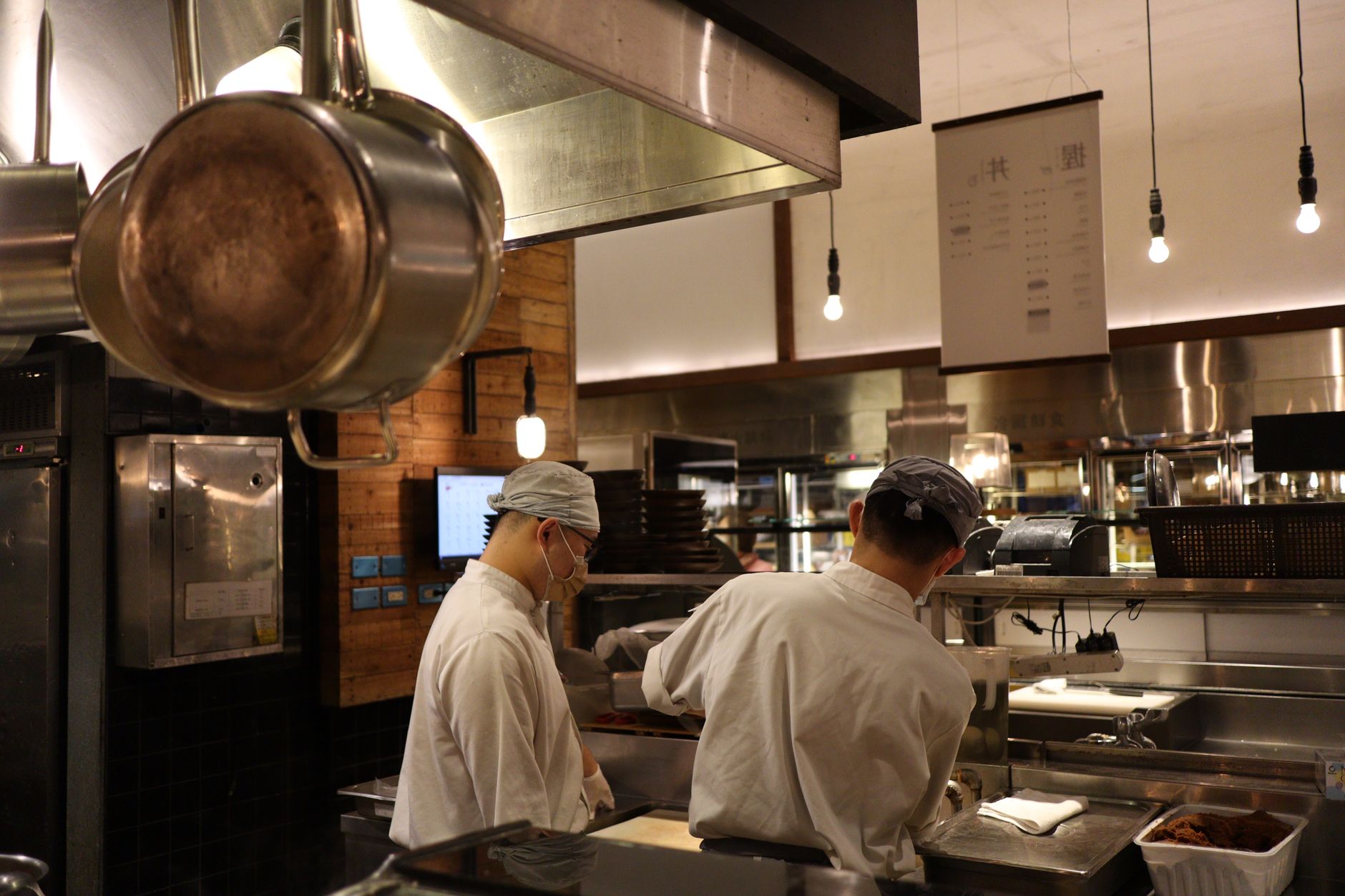
Foodservice and HORECA buyers can source Brazilian frozen chicken, beef and pork reliably by specifying portion and cut requirements in writing, choosing SIF-inspected plants approved for their market, and planning container volumes, cold storage and delivery rhythm around their kitchens rather than around the exporter's loading schedule. This guide explains how hotels, restaurants, caterers and their distributors can build a Brazilian frozen protein supply line that is consistent from the first container to the twentieth.
What makes HORECA buying different
HORECA means hotels, restaurants and catering. If the term is new, our explainer on what HORECA foodservice means covers the channel. In practice, a supermarket buyer thinks about shelf appeal and branded packs, while a foodservice buyer thinks about yield, portion control, consistency and the cost per plated serving. A chef does not care how a wing looks in a carton as much as whether 500 portions on Friday weigh the same as 500 portions on Monday.
That changes how you write a specification. Foodservice buyers usually purchase through a distributor or importer who holds stock in a cold store and delivers in smaller drops. The container buyer is therefore often a distributor serving many kitchens, and the kitchen requirements need to be written into the container order.
Step 1: Translate the menu into specifications
Start with the dish, not the product. Work backwards from the menu to the cut, size and packing format.
- Chicken: breasts, thighs, drumsticks, wings, leg quarters or whole birds, with weight ranges, skin-on or skinless and bone-in or boneless. See our chicken cut specifications for the vocabulary.
- Beef: the cut, trim level, weight range and whether it is vacuum packed or bulk packed. Our guide to Brazilian beef cuts helps match cuts to cooking methods.
- Pork: ribs, loin, belly, shoulder or trimmings, bone-in or boneless. See the pork cuts reference.
For each item, write the carton weight, number of pieces per carton, piece weight tolerance, packaging type and shelf life on arrival. Agree the tolerances before the order, because "approximately 200 g" means different things to different suppliers.
Step 2: Choose the freezing and packing format
Packing format has a direct effect on kitchen workflow and waste. Individually quick frozen (IQF) pieces can be taken from the carton in the exact quantity needed, which suits restaurants that cook to order. Block-frozen product is often cheaper per kilo but must be thawed as a block, which suits processors and large catering operations. Our comparison of IQF versus block frozen chicken and the IQF explainer go into the trade-offs. For beef, vacuum packed versus bulk frozen beef explains yield, shelf life and handling differences.
Step 3: Build the volume plan
Exporters ship by the container, so the foodservice buyer's real question is how many weeks of kitchen demand fit into one container and how much cold storage that requires. A full 40-foot reefer holds a large quantity of product, so a single restaurant group or a small distributor may need to combine several SKUs in one container or share volume with other buyers. Our article on minimum order quantities and container economics shows how to think about this.
A practical approach is to forecast weekly consumption per item, add a safety buffer for demand spikes such as holidays and events, and compare that with the cold store capacity and the product's shelf life. Ordering too much of a slow-moving item ties up cash and risks quality loss, while ordering too little breaks the supply line and forces expensive spot purchases.
Step 4: Check compliance before price
Foodservice buyers carry reputational risk: a food safety incident hits the whole kitchen, not just a product line. Before comparing prices, confirm:
- The producing plant is under SIF federal inspection and approved for your destination. Read about SIF certification.
- The plant operates a documented HACCP-based food safety system. See HACCP in Brazilian meat plants.
- Halal certification is valid for your market if your menu requires it. See halal frozen beef certification.
- The official health certificate and documents match the shipment. See the export documentation checklist.
If you are comparing suppliers, our exporter vetting checklist gives a structured way to do it.
Step 5: Protect the cold chain to the kitchen
Frozen meat is only as good as its coldest-chain weakness. Product leaves the plant at deep-frozen temperature and should arrive at the importer's cold store without thawing and refreezing. Foodservice distributors should check the temperature recorded at the door, inspect cartons for damage and ice crystals, and keep storage at the specified temperature. Our guides on reefer container temperatures and preventing temperature excursions cover the controls, and the shelf life and storage guide explains how long product holds quality.
Foodservice sourcing at a glance
| Kitchen need | What to specify | Why it matters |
|---|---|---|
| Portion consistency | Piece weight range and tolerance | Controls plate cost and cooking time |
| Flexible usage | IQF or individually separated packs | Take only what you need, less waste |
| Food safety | SIF plant, HACCP, valid certificates | Protects guests and brand |
| Supply continuity | Order cadence and safety stock | Avoids stock-outs and spot buying |
| Cold chain | Temperature records and storage limits | Keeps quality through the shelf life |
Step 6: Plan the commercial terms
Decide on the Incoterm, price basis and payment structure early. Foodservice distributors often prefer CIF or similar terms so that freight is included in the quoted price, while experienced importers may choose FOB to control freight. Our explainers on Incoterms 2020 and FOB and CIF pricing describe the differences, and the guide to letters of credit versus telegraphic transfer helps with payment security. Market conditions change, so use the sector information published by bodies such as ABPA for poultry and pork and ABIEC for beef to understand the supply picture before you fix volumes.
Working with Brazil Prime Foods Export
We supply frozen chicken, beef and pork from SIF-inspected Brazilian plants, with specifications and documents prepared for your market. Review our frozen chicken, frozen beef and frozen pork ranges, learn about the company, check our certifications, then send your menu requirements through the quote form. For questions, contact our team or read the FAQ.
Frequently asked questions
- What does HORECA mean when buying frozen meat?
- HORECA stands for hotels, restaurants and catering. HORECA buyers prioritise portion consistency, yield, food safety and reliable supply over branded retail presentation.
- Can a single restaurant import a container of Brazilian frozen meat?
- It is possible but often impractical, because a full reefer holds a large quantity. Most restaurants buy through a distributor or importer that holds stock in a cold store, or combine several SKUs and buyers in one container.
- Should foodservice buyers choose IQF or block frozen product?
- IQF suits kitchens that need to use small quantities without thawing a whole block, while block-frozen product is often cheaper per kilo and suits processors or high-volume use. The right choice depends on your workflow and waste tolerance.
- What certifications should a HORECA supplier hold?
- At minimum the plant should be under SIF federal inspection and approved for your market, with a documented HACCP-based system. Add valid halal certification if your menu or market requires it.
- How do I keep portions consistent between shipments?
- Write the piece weight range, tolerance, carton weight and packing format into the contract and approve a sample before the first container. Check arrivals against the specification and record any deviation.
- How far ahead should a foodservice distributor order?
- Plan around production, sea transit and customs clearance, then add a safety buffer for demand peaks. Exact lead times vary by product, port and destination, so confirm them with your exporter when requesting a quote.
References & further reading
Explore our export catalogue
Brazil Prime Foods Export coordinates frozen-meat sourcing and export for wholesale buyers in eligible markets. Confirm the supplying plant and documentation for your order.
Request support
Ask our export team about pricing, specifications, documentation or shipping for your order.
Request a QuoteContact us
Direct line to our trade desk in Brazil, calls, WhatsApp and email.
Contact our team