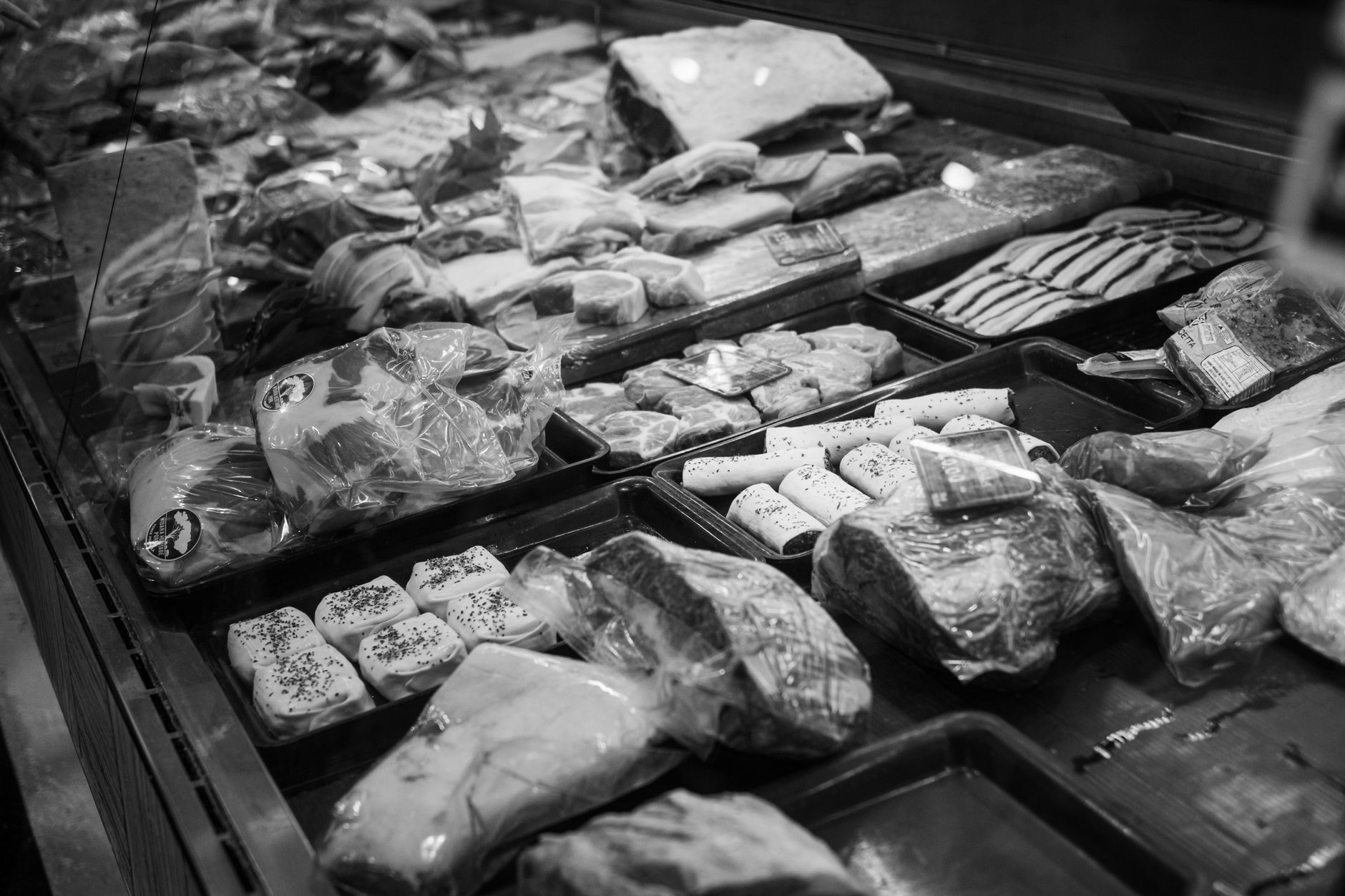
The short answer
Vacuum-packed beef seals individual cuts or primals in an airtight film that protects appearance and extends shelf life, making it the right choice for retail, foodservice and higher-value cuts, while bulk block-frozen beef presses trimmings and manufacturing meat into dense frozen blocks that move large volumes at lower packaging cost for grinding and processing. Neither format is better in isolation: the correct choice depends on the cut, the end use and how the beef will be handled after it lands.
Brazil is one of the world's largest beef exporters and ships to more than 170 countries, supplying everything from portioned retail cuts to industrial grinding beef. Because a single container can carry either format, buyers who understand the trade-offs write clearer specifications and avoid paying for packaging they do not need. This guide explains what each format is, how they compare on shelf life, cost and cold chain, and how to choose and specify the right one. For the full sourcing process, see our complete guide to importing Brazilian frozen beef.
What vacuum-packed beef is
Vacuum packing, often referred to by the trade name Cryovac, seals a cut inside a plastic film from which the air has been drawn out. Removing oxygen slows the growth of spoilage organisms and reduces the oxidation that turns fat rancid, so the meat keeps its colour, moisture and quality for longer. Each cut or primal is packed individually, then boxed for shipping.
This format is used for whole-muscle cuts where appearance, portion control and traceability matter: steak cuts, primals for further breaking, and portioned foodservice items. Because every piece is enclosed in its own barrier film, vacuum-packed beef can be shipped chilled or frozen, and it presents cleanly when the carton is opened at destination.
What bulk block-frozen beef is
Bulk or block-frozen beef takes trimmings and manufacturing cuts and freezes them into dense, uniform blocks that are then boxed. The classic use is grinding beef sold to defined lean-to-fat ratios, commonly expressed as chemical lean values such as 80/20, 90/10 or 95/5. Blocks stack and palletise efficiently, use far less packaging film per kilo than individually sealed cuts, and are built for volume rather than presentation.
Processors temper these blocks, then grind and blend them into patties, meatballs, canned products and other manufactured foods. Some large lean secondary cuts, such as rounds and knuckles, are also diverted into grinding programmes when trimmings prices justify it. For a refresher on which cuts fall where, see our guide to Brazilian beef cuts.
Vacuum-packed vs bulk block-frozen at a glance
| Attribute | Vacuum-packed (Cryovac) | Bulk block-frozen |
|---|---|---|
| Typical product | Whole-muscle cuts, primals, portions | Trimmings, manufacturing beef, grinding blends |
| Primary end use | Retail, foodservice, further breaking | Grinding, patties, canning, processing |
| Presentation | Clean, individually sealed, retail-ready | Industrial, packed for volume |
| Packaging cost per kilo | Higher | Lower |
| Handling at destination | Portion by portion | Temper whole block, then process |
| Can ship chilled? | Yes, chilled or frozen | Frozen only |
Shelf life and cold chain
Freezing is what preserves the beef; packaging protects its quality while frozen. Held consistently at a core temperature of about -18 degrees Celsius or below, frozen beef commonly carries a stated shelf life in the range of roughly 12 to 24 months, depending on the product, the packaging barrier and how tightly temperature is controlled. Vacuum packing helps by shielding the surface from freezer burn and oxidation over long storage.
The picture is different for chilled, unfrozen beef. Vacuum-packed chilled primals can hold for several weeks, and in tightly managed supply chains at the lowest temperature that avoids freezing they can extend considerably further, whereas conventionally overwrapped chilled beef lasts only a matter of days. Bulk block-frozen beef, by contrast, is a frozen-only format.
A shelf-life figure assumes an unbroken cold chain from the plant to your cold store. Verify temperature continuity through transit, not just at origin, because a single warm leg can undo the packaging's protection.
Both formats travel in reefer containers set to hold the load frozen, typically around -18 degrees Celsius. To understand how that equipment works, see our explainer on what a reefer container is, and our overview of frozen shelf life and storage for the principles that apply across proteins.
Cartons, weights and container loading
Whatever the inner format, export beef is built up in layers for shipping. A primary pack sits in direct contact with the meat, most often a vacuum pouch for cut product. That goes into a poly-lined master carton, frequently in the region of 27 to 30 kilograms net, which is the unit handled, palletised and loaded. Some grinding programmes use larger bulk units to cut packaging further and speed up loading.
The master cartons are then stacked into the reefer as a single cold load. Confirming carton weight, count per pallet and net versus gross figures in advance keeps your container planning and customs paperwork accurate.
Which format should you order?
Match the format to what happens to the beef after it arrives.
- Retail and supermarket cuts: vacuum-packed, so each cut arrives sealed, clean and portion-controlled for display or repacking.
- Foodservice and HORECA: vacuum-packed primals or portions that kitchens can store and break down as needed.
- Grinding, patties and canning: bulk block-frozen to a specified lean ratio, for the lowest packaging cost per kilo at volume.
- Mixed programmes: many importers combine both in one order, taking sealed cuts for their premium lines and blocks for their processing lines.
Feeding and origin also matter alongside format. Because most Brazilian beef is grass-fed and lean, it grinds and portions well for both routes.
Certification applies to both formats
Packaging format does not change the food-safety and origin requirements. Reputable Brazilian beef, whether sealed or blocked, ships from plants under federal inspection through the SIF system, with the sanitary and origin documents each destination requires, and from many plants that are halal certified. Trade bodies such as the Brazilian Beef Exporters Association (ABIEC) and reporting from the USDA Foreign Agricultural Service document the scale and reach of this trade.
To dig into the inspection layer, read our explainer on what SIF certification is and our overview of halal frozen beef certification, or review Brazil Prime Foods certifications directly.
How to specify format when you order
- State the format explicitly. Write vacuum-packed or bulk block-frozen into the specification rather than leaving it to assumption.
- Tie it to the cut and end use. Sealed cuts for retail and foodservice, blocks to a stated lean ratio for grinding.
- Fix packing details. Agree carton net weight, pieces or blocks per carton, and labelling before production.
- Confirm temperature and plant. Set the storage and transport temperature and match the SIF number and export eligibility to your country.
- Request samples where possible. A sample confirms yield, lean ratio and presentation before a full container commitment.
Specified this way, both formats deliver on their purpose: vacuum-packed beef for clean, higher-value cuts, and bulk block-frozen beef for cost-efficient volume. To discuss cuts, formats and volumes for your market, request a quote or contact our export team, and explore the full frozen beef range.
Packaging choice as a commercial decision
Vacuum packing and bulk freezing solve different problems. Vacuum packing protects individual primals from oxidation and purge, keeps the shipping mark readable per piece and allows a retailer to sell without repacking. Bulk frozen blocks maximise container cube and suit plants that will thaw and reprocess the material anyway. Choosing the wrong one adds cost twice, first in freight per usable kilogram and again in labour at destination.
| Criterion | Vacuum packed primals | Bulk frozen blocks |
|---|---|---|
| Typical unit | Single primal in barrier film, boxed | 20 kg to 27 kg carton block |
| Container payload | Lower, packaging volume | Higher, dense stacking |
| Destination labour | Minimal, sell or portion directly | Tempering and breaking required |
| Oxidation risk | Low while seal is intact | Low in the core, higher at surfaces |
| Best fit | Retail counter, HORECA, steak programmes | Grinding, patty, canning and ready meal lines |
Failure modes and how to write them out of the contract
The dominant vacuum pack failure is seal loss, which shows as loose film, purge accumulation and early spoilage in chilled cargo. Require a stated film specification with oxygen transmission rate, a leak test frequency at the plant, and a maximum allowable percentage of leakers on arrival with an agreed remedy. The dominant bulk block failure is temperature abuse at the carton surface, which shows as freezer burn on the outer layer. Require a defined freezing method and time to core temperature, plus polyethylene liner specification inside the carton.
Weight and yield clauses
- State net weight per carton and the tolerance, with the weighing method used at the plant.
- State whether purge is included in invoiced weight for chilled vacuum packed cargo.
- State trim level so yield after breaking is predictable for the processing plan.
- Require lot code and production date on both the inner pack and the master carton.
Packaging also interacts with the temperature decision, so settle both together rather than in sequence. See chilled versus frozen beef export and, for cut level specification, Brazilian beef cuts explained. To compare both packing formats on a landed basis, visit frozen beef and send a request for quotation.
Frequently asked questions
- What is the difference between vacuum-packed and bulk frozen beef?
- Vacuum-packed beef seals individual cuts or primals inside an airtight film that protects appearance and extends shelf life, which suits retail and foodservice. Bulk block-frozen beef presses trimmings and manufacturing meat into dense frozen blocks with minimal packaging, which suits grinding and processing at volume and lower cost per kilo.
- How long does frozen beef last in each format?
- Held consistently at a core temperature of about -18 degrees Celsius or below, frozen beef commonly carries a stated shelf life of roughly 12 to 24 months, depending on the product, packaging and temperature control. Vacuum packing helps by shielding the surface from freezer burn and oxidation, but the cold chain must stay unbroken for any shelf-life figure to hold.
- Can vacuum-packed beef be shipped chilled instead of frozen?
- Yes. Vacuum-packed beef can be shipped chilled or frozen. Chilled vacuum-packed primals hold for several weeks, and considerably longer in tightly controlled supply chains, whereas bulk block-frozen beef is a frozen-only format shipped at around -18 degrees Celsius.
- Which format is cheaper for importing grinding beef?
- Bulk block-frozen beef is generally cheaper for grinding programmes because it uses far less packaging film per kilo than individually sealed cuts and palletises efficiently. It is ordered to a stated lean-to-fat ratio, such as 80/20 or 90/10, and tempered, ground and blended at destination.
- What carton weights are used for exported Brazilian beef?
- Export beef is typically packed with a primary vacuum pouch or liner inside a poly-lined master carton, often around 27 to 30 kilograms net, which is the unit palletised and loaded into the reefer. Some bulk grinding programmes use larger units to reduce packaging and speed loading. Confirm net weight and pieces or blocks per carton before production.
- Do both formats carry the same certification?
- Yes. Packaging format does not change food-safety or origin requirements. Both vacuum-packed and bulk block-frozen Brazilian beef ship from plants under federal SIF inspection, with the sanitary and origin documents each destination requires, and many plants are halal certified. Always match the plant's SIF number and export eligibility to your destination market.
References & further reading
Explore our export catalogue
Brazil Prime Foods Export coordinates frozen-meat sourcing and export for wholesale buyers in eligible markets. Confirm the supplying plant and documentation for your order.
Request support
Ask our export team about pricing, specifications, documentation or shipping for your order.
Request a QuoteContact us
Direct line to our trade desk in Brazil, calls, WhatsApp and email.
Contact our team