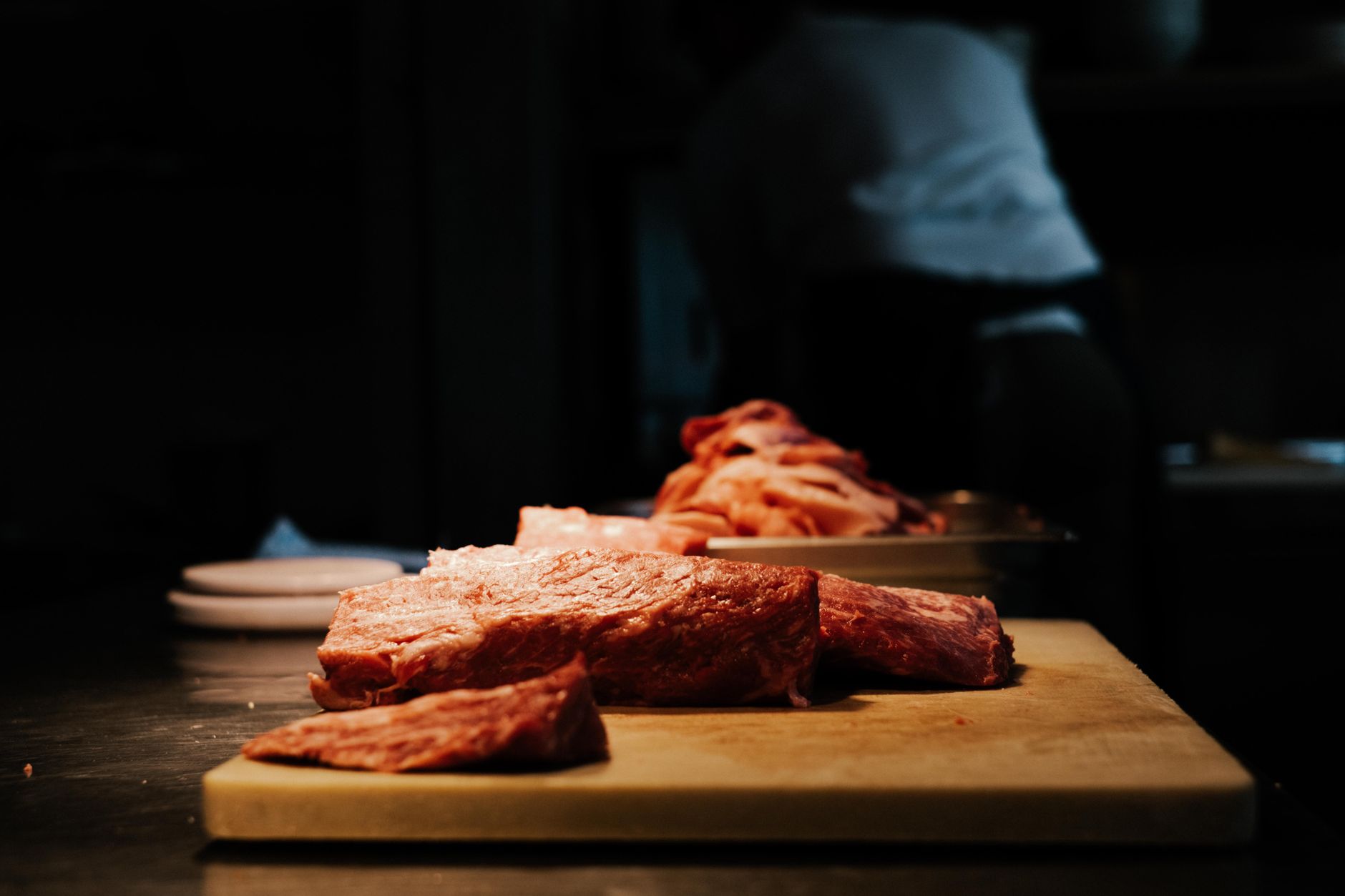
Brazil is one of the world's largest exporters of beef, shipping to more than 170 countries across the Middle East, Asia, Europe, Africa and the Americas. According to the Brazilian Beef Exporters Association (ABIEC), the sector reached record volumes in 2025, with China as the leading single destination and demand from Gulf and Asian markets continuing to grow. For importers, wholesalers and HORECA buyers, that scale means competitive pricing, dependable supply and a cut range few origins can match. But sourcing Brazilian beef well is a series of decisions, each affecting your cost, compliance and customer satisfaction. This guide walks through every one.
Why source frozen beef from Brazil
Brazil pairs a vast cattle herd with large-scale, export-focused processing and a federal sanitary inspection system recognised by importing authorities worldwide. For buyers, the practical advantages come down to four points:
- Price: abundant pasture and grain, plus efficient processing at scale, keep the cost of frozen beef competitive.
- Range: the full carcass catalogue, forequarter and hindquarter cuts, trimmings for grinding, and halal-slaughtered lines.
- Reliability: mature export logistics and strong container availability from major ports such as Santos, Paranaguá and Rio Grande.
- Compliance: a federal inspection system (SIF) and plant-by-plant approvals accepted across key markets, including halal-certified establishments for the Gulf.
The question for most buyers is not whether Brazil can supply, but how to specify and contract the right product. The rest of this guide covers exactly that.
Product range: cuts, classes and trimmings
Brazilian exporters offer the full beef catalogue. Knowing the standard terminology lets you specify precisely and compare quotes fairly. Cuts are broadly grouped by where they sit on the carcass.
Forequarter cuts
- Chuck and shoulder clod: versatile, well-priced cuts for braising, dicing and further processing.
- Brisket: popular across the Middle East and Asia for slow cooking and foodservice.
- Shin and shank: lean, connective cuts favoured for stews, soups and value catering.
Hindquarter cuts
- Topside, silverside and knuckle: large muscle cuts for roasting, slicing and retail.
- Rump and striploin: premium cuts for steakhouses, HORECA and higher-value retail.
- Cube roll and tenderloin: the highest-value muscles, sold to premium foodservice and export retail.
Trimmings and manufacturing beef
Trimmings are sold to a stated lean point (for example 90/10, 80/20 or 65/35, meaning the percentage of lean to fat) for grinding, burgers and processed lines. Always confirm the lean percentage, chemical lean method and packing when you order manufacturing beef.
| Cut group | Examples | Typical use | Common markets |
|---|---|---|---|
| Forequarter | Chuck, shoulder clod, brisket, shin | Braising, catering, processing | Middle East, Africa, Asia |
| Hindquarter | Topside, silverside, knuckle, rump | Roasting, retail, foodservice | Europe, Asia, Middle East |
| Premium | Striploin, cube roll, tenderloin | Steakhouse, premium retail | Gulf, Asia, Europe |
| Trimmings | 90/10, 80/20 manufacturing beef | Grinding, burgers, processing | Global |
Match the product to your market: forequarter cuts and trimmings dominate value catering and processing, while hindquarter and premium cuts suit retail and HORECA. Browse the live catalogue on the frozen beef page, and see our companion guide, Brazilian beef cuts explained, for a cut-by-cut reference.
Quality: grass-fed, grain-finished and calibration
Most Brazilian export cattle are pasture-raised, and a growing share is grain-finished for higher marbling and consistency. When you specify, agree the production system (grass-fed or grain-finished), the cut, the piece weight or calibration, and any ageing or trimming standard. Consistent calibration batch to batch is what keeps your retail packs and foodservice portions predictable.
Freezing formats and packaging
Beef is exported chilled (vacuum-packed, shorter shelf life) or frozen for long-haul and buffer stock. Frozen cuts are usually individually vacuum-packed then cased, or block-frozen for manufacturing beef. Packaging protects the product and carries the information your destination requires. When specifying, confirm:
- Net weight per carton and pieces or calibration per pack
- Inner packing (individual vacuum, interleaved, or block) and master carton dimensions
- Labelling language and content: many markets require local-language labels with production and expiry dates, net weight, origin and the plant (SIF) number
- Private-label or co-pack options if you sell under your own brand
Agree artwork and label compliance before production to avoid clearance issues at destination.
Certifications that matter
Certification is non-negotiable in the beef trade. Require, at minimum:
- SIF (Serviço de Inspeção Federal): Brazil's Federal Inspection Service under MAPA. A plant's SIF registration is your baseline assurance and the precondition for export.
- Plant approval for your market: destinations such as China and the EU approve specific establishments. Confirm the producing plant is listed for your country before you contract.
- HACCP and ISO 22000: food-safety management at every critical control point.
- Halal: issued by certifiers recognised in your destination. Essential for the Gulf, and for many Asian and African markets.
Match certification to the destination: a Gulf shipment needs halal slaughter and a GCC-recognised certificate from an approved plant, while a China shipment focuses on GACC establishment listing. See our certifications page that maps each seal to its markets.
Pricing and Incoterms
Frozen beef is usually quoted FOB (you arrange ocean freight from the Brazilian port) or CIF (the exporter arranges freight and insurance to your destination port). Prices move with cattle prices, the Brazilian real, global demand and the specific cut.
| Term | Who arranges freight | Who insures | Best for |
|---|---|---|---|
| FOB (Port of Santos) | Buyer | Buyer | Buyers with their own freight rates |
| CIF (destination port) | Exporter | Exporter | Buyers wanting a delivered price |
Always request a written quote stating product specification, packing, minimum order quantity (MOQ), Incoterm and price validity. Because frozen beef usually ships by the full container (FCL), confirm how the carton mix fills a 40' reefer so you can compare landed cost accurately. Start a request on our quote page.
Cold chain and logistics
Frozen beef must stay at −18 °C from the plant to your destination, without excursion. Reputable exporters pre-cool product to core temperature, load reefer containers under HACCP, set and verify the container set-point, and monitor temperature in transit. Any break in the cold chain risks quality loss and, at strict ports, rejection on inspection. Plan in-country cold storage and last-mile distribution before the container lands.
Documentation checklist
A clean, accurate document set is the single biggest factor in fast customs clearance. For most destinations you will need:
- Commercial invoice and packing list
- Bill of lading
- Certificate of origin
- Sanitary / veterinary health certificate
- Halal certificate (where required)
- Any destination-specific import permit or plant-approval reference
Requirements vary by country, so confirm the exact set with your exporter and, where needed, your destination food authority before shipping.
Common mistakes to avoid
- Confirming price before confirming plant approval and certificate scope for your market.
- Ordering manufacturing beef without a stated lean point and chemical-lean method.
- Overlooking destination labelling rules, which can hold a shipment at inspection.
- Not agreeing the reefer set-point and monitoring expectations in writing.
- Treating the first order as a one-off rather than vetting for a long-term supply program.
How to choose a supplier
Reliability separates a good first order from a lasting supply partner. Vet every exporter for:
- SIF-registered, audited plants approved for your destination, with transparent certifications
- Consistent specifications, calibration and packing batch to batch
- Documented cold-chain control and temperature monitoring
- Clear, responsive communication and complete documentation
- References from buyers in your region and product category
Learn how we work about Brazil Prime Foods, or send your requirements through our quote page to get matched to the right cuts and plants.
Specification language that prevents disputes
Most beef claims trace back to loose wording rather than bad product. State the cut using an unambiguous description plus the trim standard, the maximum fat cover in millimetres, the piece weight band with tolerance, whether pieces are individually vacuum packed and how many per carton, the film specification and the acceptable leaker rate, the chemical lean content and sampling method for trimmings, carton net and gross weight, pallet pattern, core temperature at loading, and minimum remaining shelf life on arrival. Where colour or pH matter to your customer, say so, because they are measurable and therefore contractible.
Inspection, recourse and payment structure
For a first shipment, consider an independent pre-shipment inspection covering carton markings, vacuum integrity, temperature and a physical check against specification, and agree in advance what constitutes a rejectable deviation, who pays for the inspection, and how a shortfall is settled. Pair that with documentary payment terms that release funds against compliant documents rather than against loading, so the document set and the cargo are aligned before money moves.
Cold chain evidence to require
- Container pre-cooling record before stuffing.
- Product core temperature recorded at loading.
- Reefer set point stated on the bill of lading.
- Voyage data logger download provided on arrival.
- Transhipment ports and expected dwell time disclosed before booking.
Related reading: beef export health certificates and vacuum packed compared with bulk frozen beef.
Conclusion
Importing Brazilian frozen beef is straightforward once you make five decisions deliberately: cut and quality class; freezing format; certification and plant approval for your market; Incoterms; and cold-chain logistics, all backed by clean documentation. Get those right and you secure competitive, compliant, reliable supply from one of the world's leading beef exporters.
Ready to source? Request a quote and our export team will respond with FOB/CIF pricing and specifications within 24 hours, or contact us with your requirements.
Frequently asked questions
- Is Brazilian frozen beef halal?
- Many Brazilian plants run halal slaughter and are certified by bodies recognised in the GCC and across Asia. Always confirm the specific certificate matches your destination's requirements and that the producing plant is approved to export there.
- What is the minimum order for frozen beef?
- Typically one full container (FCL). Exact MOQs depend on the cut and packing, request a quote and we will confirm how the carton mix fills a 40' reefer.
- What is the difference between forequarter and hindquarter cuts?
- Forequarter cuts (chuck, shoulder, brisket, shin) are generally lower-priced and suit braising, catering and processing. Hindquarter cuts (topside, rump, striploin, tenderloin) are more valuable and suit roasting, retail and steakhouse foodservice.
- What does 80/20 mean for beef trimmings?
- It states the lean-to-fat ratio: 80 percent lean to 20 percent fat. Trimmings are sold to a stated lean point (for example 90/10 or 65/35) for grinding, burgers and processed lines.
- Can I order private-label or custom packing?
- Yes, flexible and private-label packaging is widely available for retail and distribution. Agree artwork and label compliance before production.
- How is frozen beef kept safe in transit?
- Product is frozen to −18 °C, pre-cooled, loaded into a temperature-set reefer container under HACCP, and monitored in transit to maintain an unbroken cold chain.
Frozen Beef from Brazil
Brazilian frozen beef for wholesale buyers, with specifications confirmed per order.
Explore frozen beefReferences & further reading
Explore our export catalogue
Brazil Prime Foods Export coordinates frozen-meat sourcing and export for wholesale buyers in eligible markets. Confirm the supplying plant and documentation for your order.
Request support
Ask our export team about pricing, specifications, documentation or shipping for your order.
Request a QuoteContact us
Direct line to our trade desk in Brazil, calls, WhatsApp and email.
Contact our team