Brazilian frozen pork is typically packed as IQF or block-frozen cuts, vacuum-sealed or bagged inside 10 to 20 kg export master cartons, then palletized and shipped in reefer containers held at minus 18 C or colder. Getting that packaging and cold chain right is what protects yield, shelf life, and food-safety compliance from the Brazilian plant all the way to your cold store.
Pork is one of Brazil's fastest-growing protein exports, and buyers across the Middle East, Asia, Africa, and the Americas now specify packaging in fine detail. This guide explains the formats you will see on offer, the temperatures that matter, and how to write packaging into a purchase order so nothing is left to interpretation. For a broader view of sourcing, start with our guide to importing Brazilian frozen pork.
Why packaging and cold chain decide pork quality
Frozen pork is only as good as the weakest link in its handling. Poor primary packaging lets air reach the meat and causes freezer burn, oxidation, and drip loss on thaw. A broken cold chain, even for a few hours, allows partial thaw and refreeze, which damages texture and can raise microbial risk. Because pork moves in large volumes over long ocean transit times, packaging and temperature control are not cosmetic details. They are the core of the product specification.
Two goals sit behind every decision: protect the meat physically, and hold it hard-frozen and stable. The formats below all serve those two goals in different ways.
How Brazilian frozen pork is packaged
Primary packaging
Primary packaging is what touches the meat. For Brazilian pork exports the common options are:
- Vacuum packing: individual cuts such as loins, tenderloins, collars, and ribs are vacuum-sealed to remove air, reduce oxidation, and extend frozen shelf life. This is the preferred format for premium cuts and retail-ready product.
- Polybag or liner: bulk cuts, trimmings, and offal are often bagged in food-grade polyethylene inside the carton, which is faster and lower cost for foodservice and further-processing buyers.
- Interleaved or shatter-pack: flat items can be layered with film so pieces separate easily after freezing.
Cuts are usually frozen as IQF (individually quick frozen), so pieces stay loose and can be portioned, or as block-frozen cartons where the contents freeze together as one mass. IQF suits retail and portion control; block freezing is efficient for manufacturing and bulk catering. Our pork cuts reference shows which cuts typically ship in each format.
Master cartons and labeling
Primary packs are consolidated into corrugated export master cartons. Typical net weights are 10 kg, 15 kg, or 20 kg per carton, supplied either as neutral cartons or with private-label printing on request. Each carton carries a SIF export label, product description, net weight, production and expiry dates, lot or batch code, and the establishment number, so the shipment is traceable to a specific federally inspected plant. Halal-certified consignments add the certifier's mark. You can review the export approvals we work with on the certifications page.
Palletization and container loading
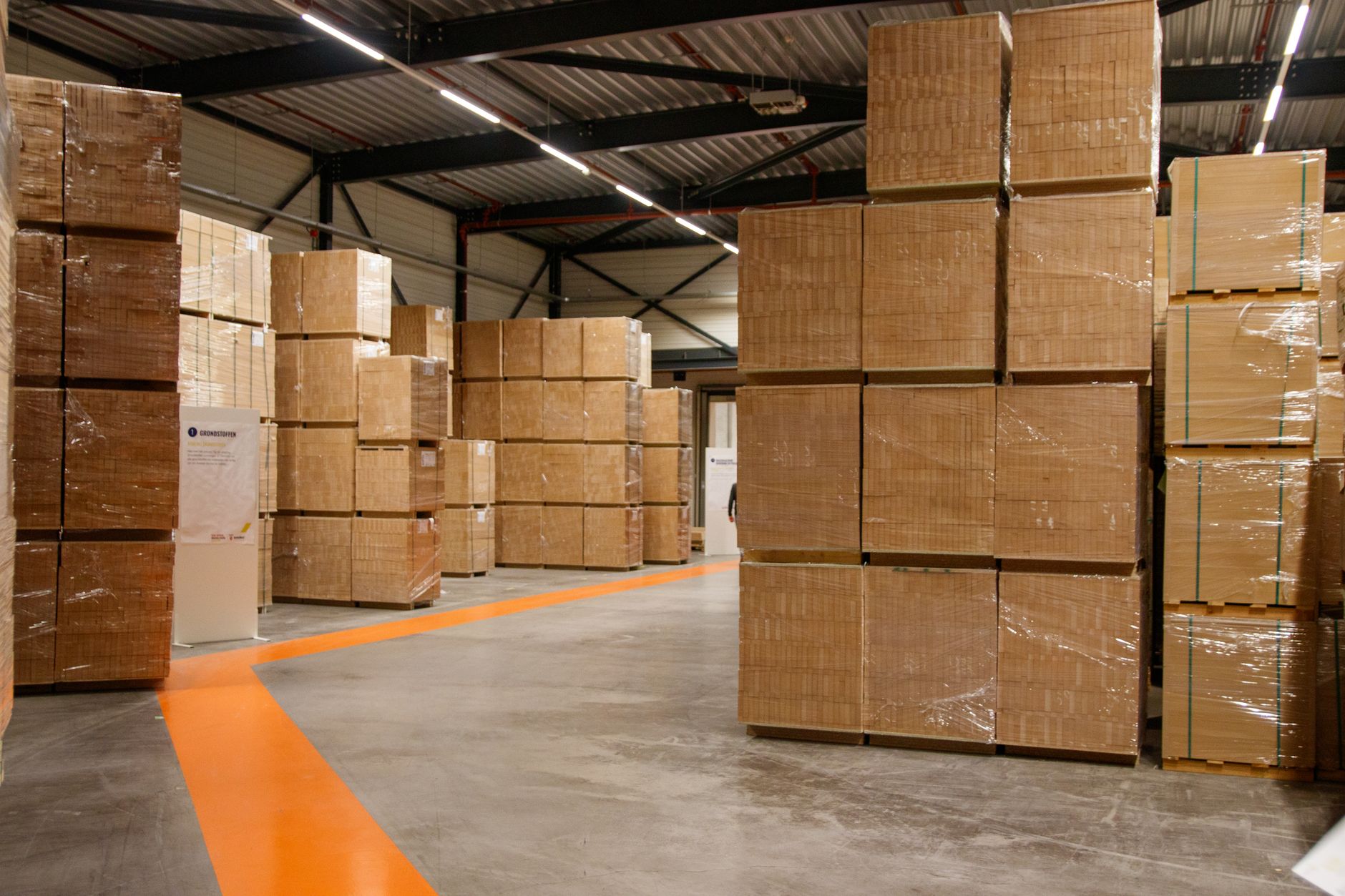
Cartons are stacked on pallets and shrink-wrapped, or floor-loaded directly into the container for maximum payload. A standard 40-foot high-cube reefer commonly carries in the region of 26 to 28 metric tons of frozen pork, depending on carton format and whether the load is palletized. Loading is done quickly through a cold dock to avoid temperature rise, and the reefer is pre-cooled before stuffing.
| Element | Common Brazilian export practice |
|---|---|
| Primary pack | Vacuum pack for premium cuts; polybag or liner for bulk |
| Freezing format | IQF for portion control; block-frozen for bulk and processing |
| Master carton | 10, 15, or 20 kg net; neutral or private label |
| Carton labeling | SIF number, product, net weight, dates, lot code, halal mark if applicable |
| Unitization | Palletized and shrink-wrapped, or floor-loaded |
| Container | 40 ft high-cube reefer, roughly 26 to 28 t depending on format |
Cold-chain requirements from plant to port
Freezing and storage temperatures
After cutting, pork is blast frozen so the core temperature falls quickly, then held in frozen storage. The industry benchmark for frozen pork is a storage and transport temperature of minus 18 C or colder. Rapid blast freezing forms smaller ice crystals, which preserves cell structure and reduces drip loss on thaw. Held continuously at minus 18 C, vacuum-packed frozen pork is commonly specified with a shelf life of up to around 24 months, though the exact figure depends on the cut, packaging, and the importing market's rules. For a fuller explanation of how frozen shelf life works, see our note on shelf life and storage of Brazilian frozen product.
Reefer container settings
Ocean transit from Brazil to distant markets can take several weeks, so the refrigerated container is effectively a rolling cold store. Good practice includes pre-cooling the reefer, setting the thermostat to minus 18 C or lower, checking airflow so cold air circulates around the cartons, and monitoring the temperature log for the whole voyage. If you are new to refrigerated shipping, our explainer on what a reefer container is covers the basics.
Ask your supplier for the container temperature record on arrival. A clean, continuous log at minus 18 C or colder is the simplest proof that the cold chain held from plant to port.
Documentation and inspection
Cold-chain integrity is backed by paperwork. Brazilian pork exports are inspected under the federal service and carry a veterinary health certificate issued in line with the importing country's requirements, plus the commercial and shipping documents customs will ask for. Because pork faces market-specific religious and regulatory rules, always confirm that the exporting plant is listed for your destination before you order.
How to specify packaging in your purchase order
Clear instructions prevent disputes at delivery. When you request a quote, state:
- The exact cuts and whether you want them bone-in or boneless.
- Freezing format: IQF or block-frozen.
- Primary pack: vacuum pack or polybag, and any weight range per piece.
- Master carton net weight: 10, 15, or 20 kg, neutral or private label.
- Palletized or floor-loaded, and any labeling or language requirements.
- Certification needs: SIF, halal, and any destination-specific marks.
Locking these points down early means the sample you approve matches the container that arrives. To move from specification to a firm offer, send your details through the quote page or reach the team on the contact page. You can also browse current formats on our frozen pork page.
Cold chain control points for pork
Pork is less forgiving than beef on temperature because its fat oxidises faster, which makes rancid odour the leading quality complaint on long routes. The controls that matter are concentrated in three windows. At the plant, product must reach a core of minus eighteen degrees Celsius or colder before palletising, not merely a surface reading. At loading, the reefer should be pre cooled and the container stuffed quickly with dock doors sealed. In transit, the set point should be held with no scheduled defrost excursion above minus twelve degrees Celsius.
| Stage | Target | Record to keep |
|---|---|---|
| Blast freezing | Core minus 18 C or colder | Plant freezing log |
| Pre cooling reefer | Minus 18 C before stuffing | Container pre trip inspection |
| Loading | Under 30 minutes of exposure | Loading temperature record |
| Transit | Minus 18 C, no excursions | Full data logger download |
| Discharge and delivery | Minus 15 C or colder at survey | Probe reading and survey report |
Packaging that survives the route
Effective pork packaging uses three layers with a defined job each. The inner barrier limits oxygen contact with fat, the interleaving prevents pieces welding into an unusable mass, and the master carton carries compression load in a stack up to nine high. Corrugated grade should be specified with an edge crush test value suitable for high humidity, since a carton that softens in a reefer will collapse and damage the pallet below it. Pallet configuration should be agreed before the first order, including whether cargo travels on export pallets or is floor loaded, because that decision changes payload by more than a tonne.
Labelling checklist
- Product name, cut description and net weight in the destination language where required.
- Establishment SIF number, production date and lot code on every carton.
- Storage instruction and best before or use by date consistent with the health certificate.
- Handling marks so the warehouse stacks and rotates correctly.
For cut level detail see the Brazilian pork cuts reference, and for equipment expectations read what is a reefer container. To review packing specifications for your market, visit frozen pork or contact our export team.
Inspection and acceptance at the discharge port
Agree the arrival protocol before the first shipment rather than during a dispute. A workable protocol names the survey company, the number of cartons opened per container, the probe method for core temperature, and the tolerance for freezer burn or damaged cartons. It also sets a deadline for notifying claims, commonly within seven days of discharge, supported by photographs, the survey report and the reefer data download.
Remedies should be proportionate and pre agreed: a price adjustment for cosmetic issues, replacement for a failed lot, and rejection reserved for cargo outside temperature specification. Because pork fat oxidises quickly, insist that the survey happens before cargo moves to inland distribution, while the container record is still directly attributable to the voyage.
Frequently asked questions
- At what temperature is Brazilian frozen pork shipped?
- Frozen pork is held and transported at minus 18 C or colder throughout the cold chain. It is blast frozen shortly after cutting so the core temperature drops fast, then kept hard-frozen in storage and in the reefer container for the whole voyage.
- What carton sizes are standard for frozen pork exports?
- Master cartons are commonly 10 kg, 15 kg, or 20 kg net, supplied as neutral export cartons or with private-label printing. Each carton is labeled with the SIF establishment number, product, net weight, dates, and lot code for full traceability.
- What is the difference between IQF and block-frozen pork?
- IQF, or individually quick frozen, keeps pieces loose so they can be portioned and counted. Block-frozen product freezes together as a single mass in the carton, which suits bulk manufacturing and catering. The choice affects handling, portioning, and price.
- Why is pork vacuum-packed for export?
- Vacuum packing removes air from around the cut, which slows oxidation and freezer burn and helps extend frozen shelf life. It is the usual choice for premium cuts and retail-ready pork, while bulk cuts and trimmings often ship in polybags inside the carton.
- How long does frozen pork last at minus 18 C?
- Held continuously at minus 18 C, vacuum-packed frozen pork is commonly specified with a shelf life of up to around 24 months. The exact figure depends on the cut, the packaging format, and the importing country's labeling rules, so always confirm the dated shelf life on your specification sheet.
- How much frozen pork fits in a 40-foot reefer container?
- A 40-foot high-cube refrigerated container typically carries in the region of 26 to 28 metric tons of frozen pork, depending on the carton format and whether the cargo is palletized or floor-loaded. Your supplier can confirm the exact payload for your chosen packing.
References & further reading
Explore our export catalogue
Brazil Prime Foods Export coordinates frozen-meat sourcing and export for wholesale buyers in eligible markets. Confirm the supplying plant and documentation for your order.
Request support
Ask our export team about pricing, specifications, documentation or shipping for your order.
Request a QuoteContact us
Direct line to our trade desk in Brazil, calls, WhatsApp and email.
Contact our team