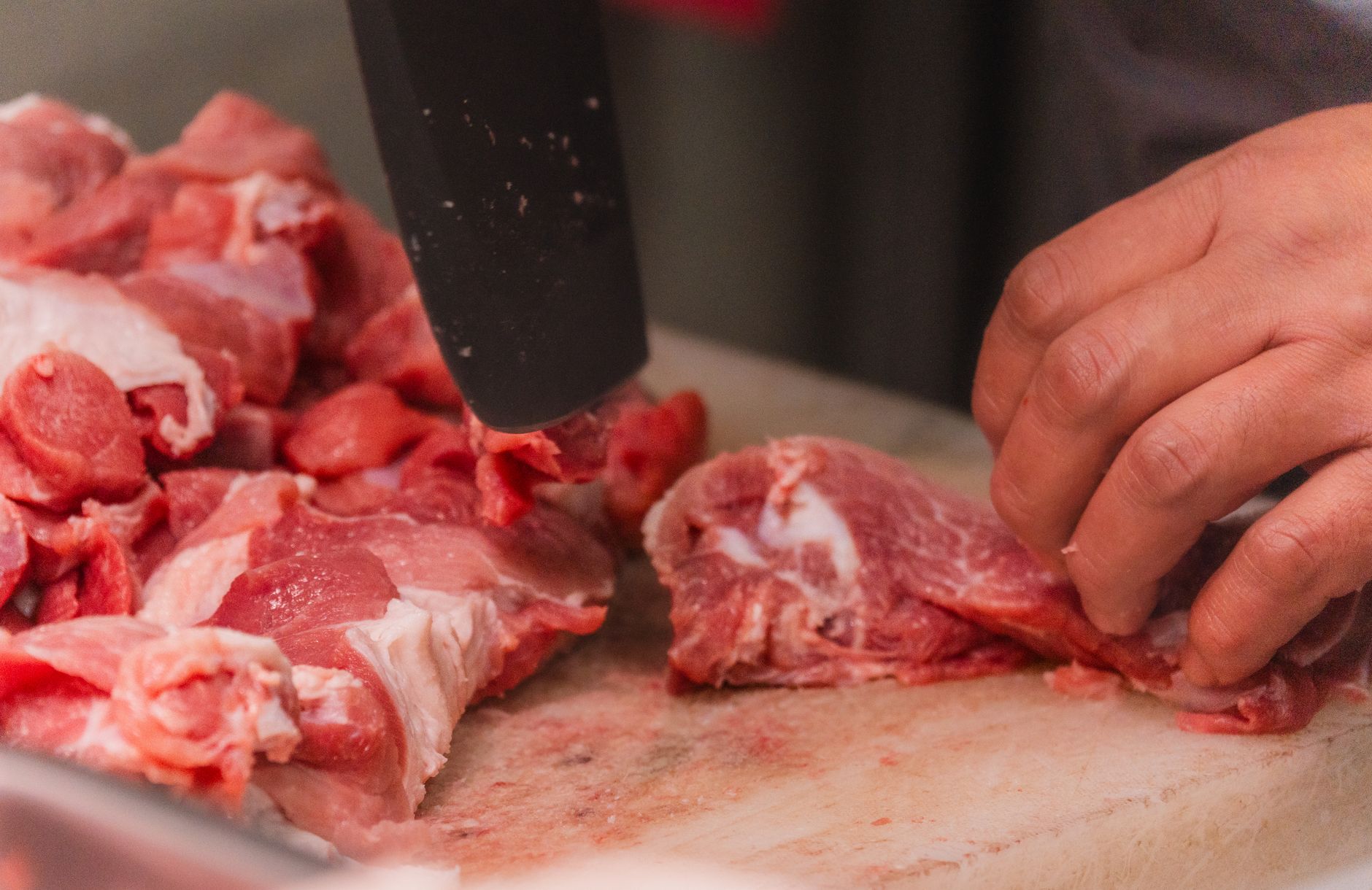
To import Brazilian frozen pork, buy from a SIF-registered plant that is approved for your destination country, agree Incoterms and payment (usually FOB Itajai or CIF with an LC), then clear the shipment with the required veterinary health certificate and import license. Brazil is one of the world's largest pork exporters, consistently ranked around fourth globally, and its cold chain, sanitary controls and competitive pricing make it a reliable origin for wholesalers, distributors, supermarkets and foodservice buyers. This guide walks importers through plant approvals, cuts, ports, documents and payment so you can source with confidence.
Why buyers choose Brazilian frozen pork
Brazil combines large-scale production with strict federal sanitary inspection and modern port infrastructure. The country produces several million tonnes of pork each year and exports a growing share of it, with volumes reaching record levels in recent seasons. For importers, the practical advantages are consistent supply, standardized cuts, competitive landed cost and a well-documented cold chain that keeps product frozen from the plant to your reefer container.
Santa Catarina is the anchor of the export trade. The state accounts for roughly half of Brazil's pork export volume and holds a favorable animal-health status that many premium markets require. Its plants ship through nearby deep-water ports, which shortens inland transit and protects product temperature.
Important note: pork is not a halal product, so Brazilian frozen pork is exported to non-Muslim-majority markets. Buyers in the Middle East and other predominantly Muslim regions should instead review our frozen chicken and frozen beef halal ranges.
Understand SIF and destination-country approval
Every plant that exports pork from Brazil must operate under the Federal Inspection Service, known as SIF, administered by the Ministry of Agriculture and Livestock (MAPA). The SIF number printed on cartons and certificates confirms the plant is under continuous federal veterinary supervision. If you are new to this system, our explainer on what SIF certification means breaks it down for importers.
SIF alone is not enough. Each destination country separately audits and approves individual Brazilian plants before their product may enter. China clears plants through its GACC registration system, the United States through USDA FSIS, and other markets through their own veterinary authorities. Before you contract, confirm that the specific plant and SIF number are on your country's approved list for pork. Buying from an unapproved plant is the single most common cause of a shipment being rejected at the border.
Documents that travel with the shipment
A typical Brazilian frozen pork export includes the following paperwork. Missing or inconsistent documents cause most clearance delays, so align them with your customs broker before loading.
- International Veterinary Certificate: issued by MAPA, confirming sanitary status and plant eligibility.
- Commercial invoice and packing list: product description, cut, carton and net weights, SIF number and lot codes.
- Bill of lading: the ocean transport contract and title document.
- Certificate of origin: often required for tariff purposes or preferential trade.
- Import license or permit: issued by your national authority, arranged before the goods arrive.
Common pork cuts and product forms
Brazilian exporters supply a full range of standardized cuts, sold frozen in cartons and typically consolidated into 40-foot reefer containers. Clear specifications on cut, trim, fat cover and packaging avoid disputes on arrival.
| Category | Typical products | Common buyers |
| Primal cuts | Boneless leg, shoulder (picnic and butt), loin, belly | Processors, distributors |
| Ribs and bone-in | Spare ribs, baby back ribs, bone-in loin | Retail, foodservice, HORECA |
| Trimmings and fat | Lean trimmings (various lean ratios), back fat | Sausage and processing plants |
| Offal and by-products | Feet, ears, tails, offal packs | Specialty and export markets |
Product is usually blast frozen and glazed where appropriate, then packed in printed cartons showing the SIF number, production and expiry dates, lot code and net weight. Standard frozen pork holds a long shelf life when kept at minus 18 degrees Celsius or colder throughout transit and storage.
Ports, logistics and the cold chain
Most Brazilian frozen pork leaves through the Santa Catarina port complex of Itajai and Navegantes, which specialize in reefer cargo and lead the country in frozen product exports. Depending on the plant, shipments may also move through Rio Grande, Sao Francisco do Sul or Paranagua. Transit times vary widely by destination, from a few weeks to Latin American ports to five or six weeks to parts of Asia, so plan inventory and payment timing around a realistic sailing schedule.
The cold chain is the part of the transaction where value is either protected or lost. Reefers should be pre-cooled, temperature set and logged, and container seals recorded on the bill of lading. Reputable suppliers provide temperature data and load photos. For a fuller view of how ocean freight and pricing terms interact, see our guide to how Brazilian pricing works under FOB and CIF, which applies to pork as well as poultry.
Payment terms and Incoterms
Frozen pork is commonly traded FOB (you arrange and pay ocean freight from the Brazilian port) or CIF (the supplier includes freight and insurance to your destination port). New trading relationships often settle through an irrevocable documentary Letter of Credit, which releases payment only when the shipping and sanitary documents match the agreed terms. As trust builds, buyers may move to partial advance plus balance against documents. Whatever the structure, tie payment to verified documents rather than to promises, and confirm the plant approval status in writing before funds move.
A practical step-by-step for first-time buyers
- Confirm your market access: check that Brazilian pork is eligible in your country and identify which SIF plants are approved.
- Define your specification: cut, trim, lean ratio, carton weight, packaging and labeling language.
- Request a quote: ask for price by Incoterm, minimum order, production lead time and available plants. You can request a quote here.
- Agree terms: Incoterm, payment method, delivery window and inspection rights.
- Arrange your import license and appoint a customs broker experienced in frozen meat.
- Verify on arrival: check temperature logs, seals, documents and carton markings before release.
Brazil Prime Foods Export supplies frozen pork alongside frozen chicken and frozen beef, and works only with SIF-registered plants. To discuss volumes, cuts and destination approvals, visit our frozen pork page or contact our export team.
Which markets accept Brazilian pork, and why that matters first
Pork is the one protein where market access, not price, usually determines what you can buy. Brazilian pork is approved for a defined list of destinations, and eligibility runs plant by plant rather than country wide. Before you discuss cuts or pricing, confirm two facts in writing: that your destination authority accepts Brazilian pork for the product category you want, and that the specific establishment nominated for your order appears on that authority's current list. Buyers who reverse the order, agreeing price first and checking eligibility later, are the ones who lose deposits.
Cuts, specifications and typical uses
| Cut | Typical use | Specification points |
|---|---|---|
| Boneless shoulder or picnic | Processing, sausage, roasting | Trim standard, fat cover, piece weight band |
| Loin, bone in or boneless | Retail chops, foodservice | Chine off or on, fat depth, length |
| Belly, rind on or rindless | Bacon, roasting, Asian cuisine | Thickness range, lean to fat ratio, slab dimensions |
| Spare ribs and back ribs | Grill and restaurant menus | Rack weight band, meat cover, trim |
| Trimmings and fat | Industrial processing | Chemical lean, temperature at loading |
| Feet, ears and edible offal where approved | Traditional cuisine channels | Approval is item specific, verify per market |
Packing, freezing and shelf life
Most export pork ships vacuum packed inside cartons, either as individual pieces or as blocks, frozen to a core temperature at or below minus 18 degrees Celsius. Vacuum integrity is the parameter most worth policing, since a failed seal in a frozen pallet appears as freezer burn and discolouration on arrival and is almost always rejected by retail buyers. Contract the film specification, the maximum acceptable leaker rate, the carton net weight and count, the pallet pattern, total shelf life from production and, most importantly, the minimum remaining shelf life on arrival at your port.
Documents that travel with a pork consignment
- Government health certificate issued by the federal inspection service, naming the establishment.
- Commercial invoice and packing list with identical descriptions, weights and lot references.
- Bill of lading with the correct reefer set point.
- Certificate of origin, legalised where the destination requires it.
- Import permit obtained by the buyer, where the destination requires one before shipment.
- Temperature record for the voyage, plus pre-cooling and loading temperature evidence.
Cold chain from plant to cold store
Pork is unforgiving of temperature abuse because fat oxidises and surfaces discolour quickly. Require the container to be pre-cooled before loading, the product core temperature to be recorded at stuffing, the set point to be stated on the bill of lading, and a data logger download to be provided on arrival. Where the routing includes transhipment, ask which port and how long the box will sit, and factor that into your remaining shelf-life requirement.
Commercial terms and a first-order sequence
Quote on landed cost per kilogram, not FOB price alone, adding freight, insurance, duty, clearance, port and inspection charges, inland transport, storage and finance cost. For a first order, buy one container of one or two cuts from a single approved plant, use documentary payment terms that release funds against compliant documents, consider an independent pre-shipment inspection, and repeat the same plant and specification for several shipments before widening the range. Related reading: pork packaging and cold chain, pork export health certificates and markets that import Brazilian pork.
Frequently asked questions
- Is Brazilian frozen pork halal certified?
- No. Pork is not a halal product, so it is exported to non-Muslim-majority markets. Buyers who need halal protein should consider Brazilian frozen chicken or beef, which are produced under halal certification for eligible plants.
- Which countries buy the most Brazilian pork?
- Leading destinations include the Philippines, China, Japan, Chile, Hong Kong, Singapore, Vietnam and several Latin American markets. Brazil has deliberately diversified its buyer base to reduce reliance on any single market.
- What does the SIF number on the carton mean?
- SIF stands for the Brazilian Federal Inspection Service. The number identifies the specific plant under continuous federal veterinary supervision and appears on cartons, invoices and health certificates. Your destination country must also have approved that plant for pork.
- How is frozen pork shipped and kept safe in transit?
- Product is blast frozen, packed in printed cartons and loaded into pre-cooled reefer containers held at minus 18 degrees Celsius or colder. Temperature is logged and seals are recorded, so the cold chain can be verified on arrival.
- What is the minimum order quantity?
- Frozen pork is usually sold by the full reefer container, commonly a 40-foot unit. Exact minimums depend on the cut, the plant and the destination, so confirm current terms when you request a quote.
- What documents do I need to import Brazilian frozen pork?
- You will typically need the MAPA international veterinary certificate, commercial invoice, packing list, bill of lading, certificate of origin and your national import license. Align these with your customs broker before the vessel arrives to avoid clearance delays.
References & further reading
Explore our export catalogue
Brazil Prime Foods Export ships SIF-certified product to wholesalers, distributors and foodservice operators worldwide.
Request support
Our export team replies within one business day, pricing, specs, documentation or shipping.
Request a QuoteContact us
Direct line to our trade desk in Brazil, calls, WhatsApp and email.
Contact our team