The short answer
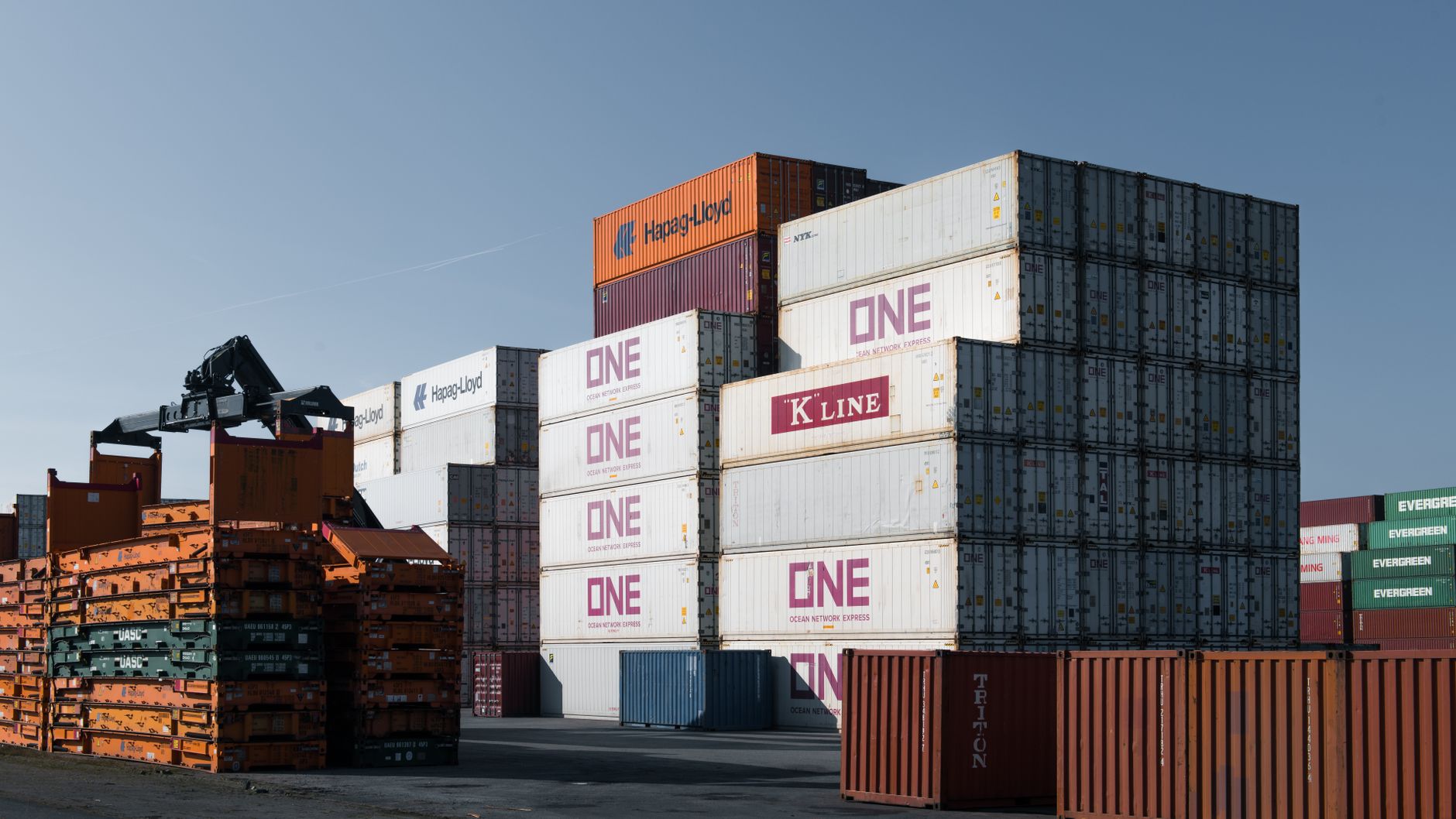
A reefer container is a refrigerated shipping container: an insulated ISO container with its own built-in cooling unit that holds a set temperature, commonly -18°C or colder for frozen cargo, from the moment it is loaded until it is opened at destination. For an importer of Brazilian frozen chicken, beef or pork, the reefer is the single piece of equipment that keeps a multi-week ocean voyage from ruining a container of product. Understanding how it works, what it can and cannot do, and what to confirm before shipping is basic protection for anyone buying temperature-sensitive food across borders.
The word reefer is simply trade shorthand for refrigerated. It is used the same way worldwide, on booking systems, bills of lading and terminal equipment lists. This guide explains what a reefer container is, how it maintains temperature, the sizes and settings that matter for frozen food, and the practical checks that separate a clean delivery from a spoilage claim.
What makes a reefer different from an ordinary container
A standard dry container is an insulated steel box and nothing more. A reefer container looks similar from the outside but is a working appliance. Its walls, floor and doors are insulated, and one end holds an integrated refrigeration machine that draws electrical power to cool, and in most units also to heat, the internal air. The floor is not flat: it is fitted with T-shaped aluminium decking that forms channels so chilled air can circulate underneath and around the cargo rather than only over the top.
That airflow design is central. A reefer does not cool cargo by contact. It pushes conditioned air from the machine along the floor channels, up through and around the stow, and back to the unit through the top of the container, creating a continuous loop. If that loop is blocked by over-stacked or badly placed cargo, parts of the load sit in warm pockets while the machine reports the set temperature at the return sensor. Correct loading is therefore part of the cooling system, not separate from it.
How a reefer holds temperature
The operator programs a set point, for example -18°C for frozen meat. The unit runs to hold the delivery air at that value and records performance continuously. Two points are essential for buyers to understand.
First, a reefer maintains temperature, it does not pull down temperature. The machine is sized to hold pre-cooled cargo at its set point and to remove the modest heat that leaks in through the walls. It is not designed to freeze a warm load. Product must already be at, or very close to, its target temperature before it is loaded. Stuffing product that is warmer than the set point causes slow, uneven cooling, condensation, and quality loss that no amount of transit time will reverse.
Second, a reefer needs power at every stage of the journey. It is plugged into shore power at the origin terminal, into dedicated reefer sockets on the vessel, and into shore power again at the destination terminal. On the road it runs from the truck or from a clip-on diesel generator set known as a genset. Any gap in that power chain is a gap in the cold chain, which is why reefer bookings, terminal reefer monitoring and genset arrangements all matter as much as the container itself.
The reefer protects cargo that arrives cold. It cannot rescue cargo that was loaded warm, and it cannot bridge a break in power. Both failures happen before the machine can help.
Reefer sizes and capacity
Two sizes carry almost all containerised frozen food trade. The 40-foot high cube reefer is the workhorse for frozen meat because its extra internal height adds usable volume for palletised cargo.
| Container | Approx. internal volume | Approx. maximum payload | Typical use |
|---|---|---|---|
| 20 ft reefer | Around 28 to 30 m³ | In the region of 27 to 28 tonnes | Dense or heavy cargo, smaller lots, weight-limited routes |
| 40 ft high cube reefer | Around 66 to 67 m³ | Roughly 29 tonnes | Standard for palletised frozen meat and volume cargo |
Exact figures vary by manufacturer, machinery type and the shipping line's rating, so treat these as planning numbers and confirm the specification of the actual equipment with your carrier. A 40-foot high cube reefer commonly accommodates around 21 standard pallets in a single tier, though the insulated walls make the internal width slightly narrower than a dry box, which affects pallet fit.
What temperature for which product
Frozen and chilled are different disciplines with different risks. The table below shows common set points, but always defer to your own specification and destination rules.
| Product state | Typical reefer set point | Notes |
|---|---|---|
| Frozen poultry, beef and pork | -18°C or colder | The internationally recognised benchmark for frozen storage and transport |
| Deep-frozen or long-voyage lots | -20°C to -25°C | Sometimes specified for extended transit or added margin |
| Chilled or fresh meat | Around -1°C to +2°C | A narrow band; small deviations shorten shelf life quickly |
Standard reefer machinery typically operates across a broad range, roughly -30°C to +30°C, and specialist super-freezer units reach far lower for products such as tuna. For the frozen protein Brazil exports at scale, -18°C is the reference point. Our guide to shelf life and storage of Brazilian frozen chicken explains why temperature stability, not just the number on the display, drives quality over a long voyage.
Monitoring and the paperwork that proves the cold chain
A modern reefer records its own performance, and many are fitted with data loggers or remote monitoring that log temperature at intervals throughout the voyage. That record is not a technicality. Many buyers, and some destination authorities, require the temperature log from origin to destination as evidence that the cold chain held. A reefer download showing a stable -18°C line is one of the strongest quality assurances an importer can hold, and a spike in that line is the first thing to check if product arrives out of condition.
Cold chain shipments also carry a heavier document burden than ambient cargo. Alongside the commercial set, frozen animal-protein exports usually require a veterinary health certificate from the exporting country's authority, and for many markets a SIF certificate confirming federal inspection and, where relevant, halal certification. The reefer keeps the product sound; the documents let it clear customs. You need both.
What importers should confirm before shipping
Most reefer problems are avoidable and trace back to a handful of unchecked assumptions. Before a container sails, confirm the following with your exporter and forwarder:
- Pre-cooling. That the product is frozen to core temperature before stuffing, and that the container was pre-cooled or is loaded in a temperature-controlled dock.
- Set point in writing. The exact set temperature stated in the booking and on the shipping instruction, not left to assumption.
- Loading discipline. That cargo is stowed to the load line and does not block the floor channels or the return air path at the top of the container.
- Power continuity. Reefer monitoring at both terminals and a genset arranged for any road leg, so the unit is never off power for long.
- Temperature records. Agreement that the reefer download or logger data will be provided, and that it forms part of your quality evidence.
- Documents matched to the cargo. Health certificate, certificate of origin and any halal or market-specific paperwork, consistent with the container and seal numbers.
These controls sit inside the wider cold chain, which reaches from the plant freezer to your own cold store. The HACCP food safety system treats transport temperature as a control point for exactly this reason, and disciplined handling on the receiving side is what preserves the condition the reefer delivered.
How reefers fit Brazilian frozen food exports
Brazil is one of the world's largest exporters of poultry and beef, and that trade moves overwhelmingly in reefer containers from ports such as Santos, Paranaguá and Itajaí. Industry data from the Brazilian Animal Protein Association (ABPA) and the Brazilian Beef Exporters Association (ABIEC) shows Brazilian frozen protein reaching well over one hundred markets, and every one of those shipments depends on an unbroken reefer cold chain. For the buyer, the reefer is not a background detail. It is the difference between the product you specified and a container of waste.
Brazil Prime Foods Export ships frozen chicken, frozen beef and frozen pork from federally inspected plants in reefer containers held at -18°C or colder, with temperature records available on request. To discuss set point, packing and routing for your market, request a quote or contact our export team with your product, volume and destination port.
Reefer settings that protein cargo actually needs
A reefer container is a controlled atmosphere box, not simply a cold box, and the settings differ by product. Frozen poultry, beef and pork travel at minus eighteen degrees Celsius or colder with the fresh air exchange closed, because there is no respiration to vent and open vents only add heat load. Chilled vacuum packed beef travels between minus one and plus one degree Celsius with tight tolerance, since a single excursion above plus two shortens working life. Setting a frozen container to a chilled range, or leaving vents open on a frozen load, is one of the most common and most expensive booking errors.
| Cargo | Set point | Fresh air vent | Notes |
|---|---|---|---|
| Frozen poultry | Minus 18 C or colder | Closed | Pre cool before stuffing |
| Frozen beef and pork | Minus 18 C or colder | Closed | Watch fat oxidation on long routes |
| Chilled vacuum packed beef | Minus 1 C to plus 1 C | Closed | Requires full data download |
Loading discipline and payload
Cold air moves along the floor T bar channels and returns above the cargo, so stacking must leave the return air path clear. Cargo should not exceed the red load line, and the last metre by the doors should be blocked rather than left loose. A forty foot high cube reefer typically carries twenty four to twenty seven tonnes of frozen protein depending on packing format and whether the load is palletised or floor loaded, and that difference alone can change landed cost per kilogram by a noticeable margin.
Documents and checks worth insisting on
- Pre trip inspection report for the specific container number.
- Pre cooling confirmation before stuffing begins.
- Full transit data logger download, not a summary printout.
- Genset arrangement for inland legs where quay power is unavailable.
- Agreed responsibility for demurrage, detention and plug in charges at discharge.
Equipment choice interacts with product choice, so read chilled versus frozen beef export and frozen pork packaging and cold chain alongside this guide. For shipment planning on your lane, browse our product range or contact our export team.
Frequently asked questions
- What does reefer mean in shipping?
- Reefer is trade shorthand for a refrigerated shipping container: an insulated ISO container with a built-in refrigeration unit that holds a programmed temperature throughout the journey. It is used for frozen and chilled cargo such as meat, poultry, fish, dairy and produce.
- What temperature is a reefer set to for frozen meat?
- Frozen poultry, beef and pork are typically carried at -18C or colder, the internationally recognised benchmark for frozen storage and transport. Some buyers specify -20C to -25C for long voyages or added margin. The exact set point should always be stated in the booking.
- Can a reefer container freeze warm product?
- No. A reefer is designed to hold pre-cooled cargo at its set point, not to freeze a warm load. Product must be frozen to core temperature before it is loaded. Stuffing warm product leads to slow, uneven cooling, condensation and quality loss.
- How much frozen cargo does a 40 ft reefer hold?
- A 40-foot high cube reefer offers roughly 66 to 67 cubic metres of insulated space and a maximum payload of around 29 tonnes, commonly loading about 21 standard pallets in a single tier. Exact figures depend on the equipment and the route weight limits, so confirm with your carrier.
- Does a reefer keep running while at port or on the road?
- Yes, but only when connected to power. Reefers plug into shore power at terminals and into reefer sockets on the vessel, and run from a clip-on diesel genset during road transport. Any gap in the power supply is a gap in the cold chain, so power continuity must be planned at every stage.
- Why do buyers ask for reefer temperature records?
- The temperature log from origin to destination is evidence that the cold chain held. Many buyers and some destination authorities require it. A stable log supports acceptance and payment, while a temperature spike is the first thing to investigate if cargo arrives out of condition.
References & further reading
Explore our export catalogue
Brazil Prime Foods Export coordinates frozen-meat sourcing and export for wholesale buyers in eligible markets. Confirm the supplying plant and documentation for your order.
Request support
Ask our export team about pricing, specifications, documentation or shipping for your order.
Request a QuoteContact us
Direct line to our trade desk in Brazil, calls, WhatsApp and email.
Contact our team