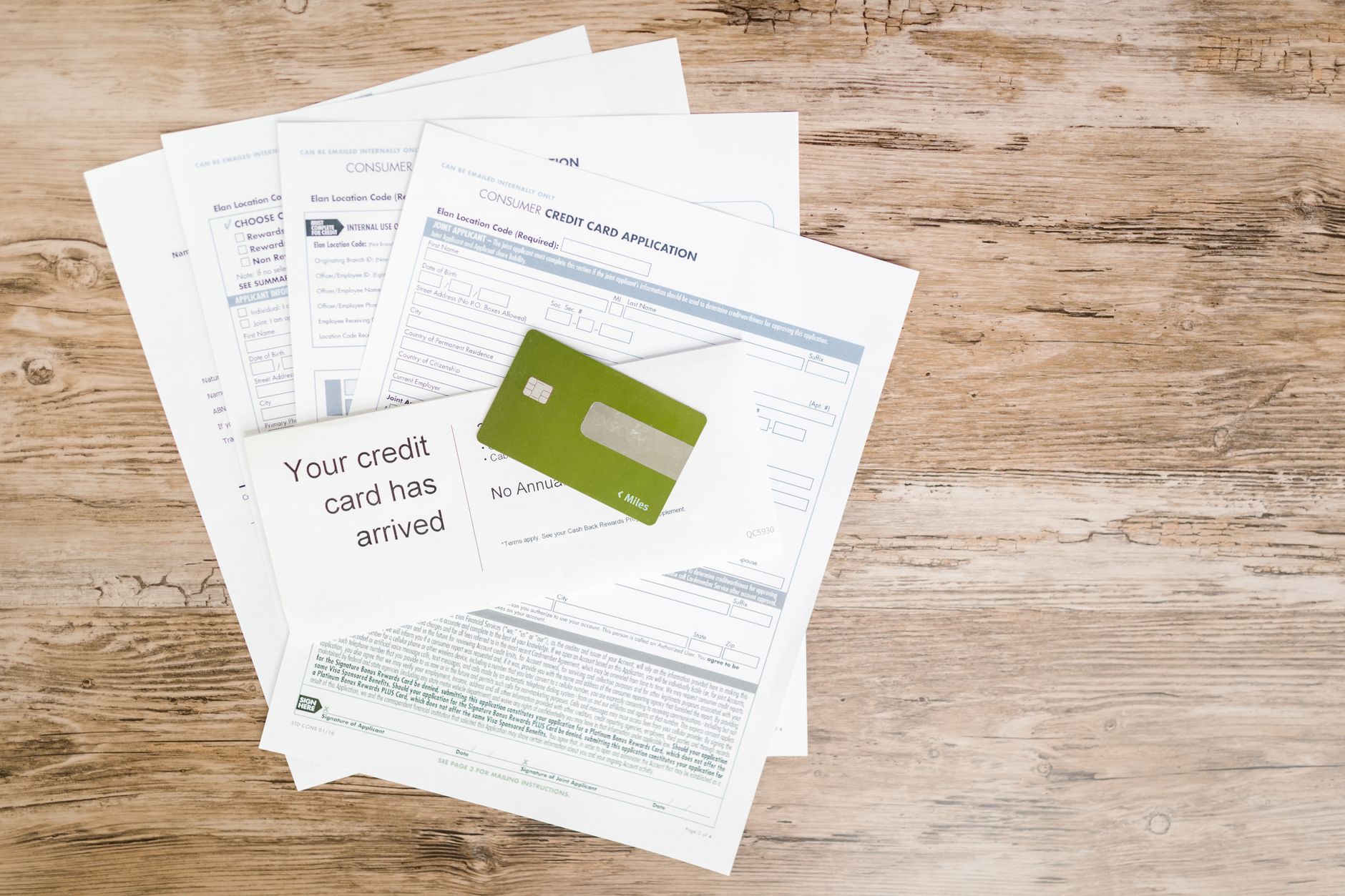
A letter of credit protects both sides of a frozen meat deal by making a bank, not the buyer, responsible for paying the exporter once compliant shipping documents are presented, while a telegraphic transfer is simply a bank wire that is faster and cheaper but leaves all the payment risk with whichever party pays or ships first. For importers buying Brazilian frozen chicken, beef or pork, the payment method is as important as the price per tonne. It decides who carries the risk of non-delivery, how quickly the cargo can be released at destination and how much the transaction really costs. This guide compares the two methods in practical terms and explains which structure fits which kind of buyer.
What a telegraphic transfer is
A telegraphic transfer (TT, sometimes called a wire or SWIFT transfer) is an electronic payment sent from the buyer's bank to the exporter's bank. It describes how money moves, not when it moves. That timing is set by the contract, and in frozen meat trade you will usually see one of three patterns:
- 100 percent advance: the buyer pays everything before production or loading. The exporter carries almost no risk and the buyer carries almost all of it.
- Deposit plus balance against documents: a deposit is paid on contract signature and the balance is paid when the exporter sends a copy of the bill of lading proving the container has sailed. This is one of the most common structures for repeat business.
- Open account: the buyer pays an agreed number of days after shipment or arrival. This is reserved for long, trusted relationships, often supported by credit insurance.
TT is quick, costs only standard bank transfer fees and involves no document examination. Its weakness is that nobody independent stands between the parties. If the buyer pays in advance and the goods never ship, recovering the money means a cross-border dispute. If the exporter ships on open account and the buyer does not pay, the exporter faces the same problem with a container of frozen product sitting at a foreign port.
What a letter of credit is
A documentary letter of credit (LC) is an undertaking issued by the buyer's bank, the issuing bank, to pay the exporter a stated amount provided the exporter presents documents that comply with the terms of the credit within the stated deadlines. Most commercial credits are issued subject to the ICC's Uniform Customs and Practice for Documentary Credits, known as UCP 600, which sets out how banks examine documents and when they must pay or refuse.
The key principle is that banks deal in documents, not goods. The bank does not inspect the chicken or the beef. It checks whether the bill of lading, commercial invoice, packing list, health certificate, certificate of origin and any halal or inspection certificates listed in the credit appear on their face to comply with its terms and with each other. Under UCP 600, each bank has a maximum of five banking days after presentation to decide whether the documents comply, and if it refuses, it must give a single notice listing every discrepancy.
An LC shifts the question from "will the buyer pay?" to "will our documents be perfect?" For an experienced meat exporter with a disciplined documentation team, that is a risk that can be controlled.
Sight, usance and confirmed credits
- Sight LC: payment is made once complying documents are presented and examined.
- Usance or deferred payment LC: payment falls due a set number of days after presentation or shipment, giving the buyer trade credit while the exporter still holds a bank undertaking.
- Confirmed LC: a second bank, usually in the exporter's country, adds its own undertaking to pay. Exporters ask for confirmation when they are concerned about the issuing bank's standing or about country risk such as foreign exchange shortages or transfer restrictions in the importing market.
Side by side comparison
| Factor | Telegraphic transfer | Letter of credit |
|---|---|---|
| Who guarantees payment | No one, it depends on the counterparty | The issuing bank, plus the confirming bank if confirmed |
| Buyer's main protection | Contract terms and the exporter's reputation | Payment only against documents proving shipment and compliance |
| Exporter's main protection | Deposit or full advance received before loading | Bank undertaking to pay on complying presentation |
| Cost | Standard transfer fees | Issuance, advising, amendment and, where used, confirmation fees |
| Speed and admin | Fast and simple | Slower, with a strict document set and deadlines |
| Typical use | Established relationships, smaller or repeat orders | New relationships, larger orders, higher risk markets |
Why frozen meat makes the choice harder
Frozen protein is a perishable, high value cargo moving in reefer containers, and that changes the risk picture in three ways.
Document timing. A container from Santos or Paranaguá can reach some destinations before the original documents clear the bank chain. Under an LC, the buyer cannot take the original bill of lading until the documents are paid or accepted, and every day a reefer waits at the terminal adds plug-in, storage and demurrage and detention charges. Build realistic presentation periods into the credit and agree courier arrangements early.
Discrepancies are expensive. A misspelled consignee, a health certificate that does not match the invoice description or a late shipment date can each trigger a refusal. The buyer can usually waive discrepancies, but that hands the leverage back to the buyer at exactly the moment the product is on the water. Exporters who ship regularly under LCs keep document templates aligned with the credit wording, including the sanitary certificate and the bill of lading.
Fraud risk on advance TT. The frozen meat trade attracts fake suppliers who advertise low prices, request a large advance by TT and disappear. The International Chamber of Commerce has repeatedly warned traders about fraudulent documents and offers that misuse its name. A buyer paying by advance TT should first verify the exporter's certifications, including SIF registration and the plant's listing for the destination market.
Hybrid structures that often work best
Many frozen meat contracts combine the two methods rather than choosing one:
- Deposit by TT, balance by sight LC. The deposit secures production and cold storage slots, and the LC protects the larger balance for both sides.
- Deposit by TT, balance by TT against a copy of the bill of lading. Efficient for trusted buyers, but the exporter should keep the original bills until the balance clears, and the buyer should confirm the booking and container number with the shipping line.
- Documentary collection (D/P). Banks exchange the documents for payment without giving a payment undertaking. It is cheaper than an LC but offers less protection, because the buyer can still refuse to pay.
- Open account with credit insurance. Suitable for long relationships with strong buyers, where the exporter insures the receivable instead of asking for security.
How to decide
Ask four questions. How long have you traded with this counterparty? How large is the order compared with your working capital? Does the destination market carry foreign exchange or transfer risk? And can your documentation team meet strict compliance every time? New relationships, large first orders and higher risk markets point towards an LC, often confirmed. Proven relationships and repeat container programmes usually move towards TT structures that save cost and time.
Payment terms also interact with Incoterms 2020. A CIF or CFR sale lets the exporter present an on board bill of lading quickly, which suits LC presentation, while FOB buyers who book their own freight need to coordinate with the exporter so the shipping documents match the credit. The full document list is covered in our export documentation checklist, and Brazil's trade promotion agency ApexBrasil publishes guidance for buyers sourcing from Brazilian exporters.
Agree payment terms before you agree price
Payment terms change the real cost of a container, so settle them at the quotation stage, not after price is fixed. Brazil Prime Foods Export works with importers on letters of credit, deposit and balance TT structures and hybrid terms, depending on the market, order size and relationship. Explore our frozen chicken, frozen beef and frozen pork ranges, then request a quote with your preferred payment terms so we can confirm a structure that works for both sides.
Frequently asked questions
- Is a letter of credit safer than a telegraphic transfer for importing frozen meat?
- For a new relationship or a large order, usually yes. A letter of credit means the bank pays only when documents proving shipment and compliance are presented, so the buyer is not paying for goods that have not shipped and the exporter has a bank undertaking rather than a promise from the buyer. A telegraphic transfer is cheaper and faster but leaves the risk with whichever party pays or ships first.
- What is the most common payment structure for Brazilian frozen chicken, beef and pork?
- Structures vary by market and relationship. Common patterns include a deposit by telegraphic transfer with the balance paid against a copy of the bill of lading, a sight letter of credit for the full value, or a hybrid of a TT deposit and an LC for the balance. Long established buyers may move to open account terms.
- How long does a bank take to examine documents under a letter of credit?
- Under UCP 600, each bank has a maximum of five banking days following the day of presentation to decide whether the documents comply. If it refuses, it must send a single notice listing all discrepancies within that period.
- What happens if there is a discrepancy in the documents?
- The bank may refuse to pay until the discrepancy is corrected or the buyer agrees to waive it. Because frozen cargo cannot wait indefinitely at the port, discrepancies can lead to delays and extra port charges, so exporters align every document with the exact wording of the credit before presentation.
- When should an exporter ask for a confirmed letter of credit?
- Confirmation is useful when the exporter is uncertain about the issuing bank's standing or about country risk in the importing market, such as foreign exchange shortages or restrictions on transferring funds abroad. The confirming bank adds its own undertaking to pay, in exchange for a fee.
- How can I avoid advance payment fraud when buying frozen meat?
- Verify the exporter before paying: check the SIF registration and destination market plant listing, confirm company details independently, be wary of prices far below market, and never pay into an account in a different company name or country than the contracting party. Using a letter of credit or paying the balance only against verified shipping documents reduces the risk further.
References & further reading
Explore our export catalogue
Brazil Prime Foods Export coordinates frozen-meat sourcing and export for wholesale buyers in eligible markets. Confirm the supplying plant and documentation for your order.
Request support
Ask our export team about pricing, specifications, documentation or shipping for your order.
Request a QuoteContact us
Direct line to our trade desk in Brazil, calls, WhatsApp and email.
Contact our team