The short answer
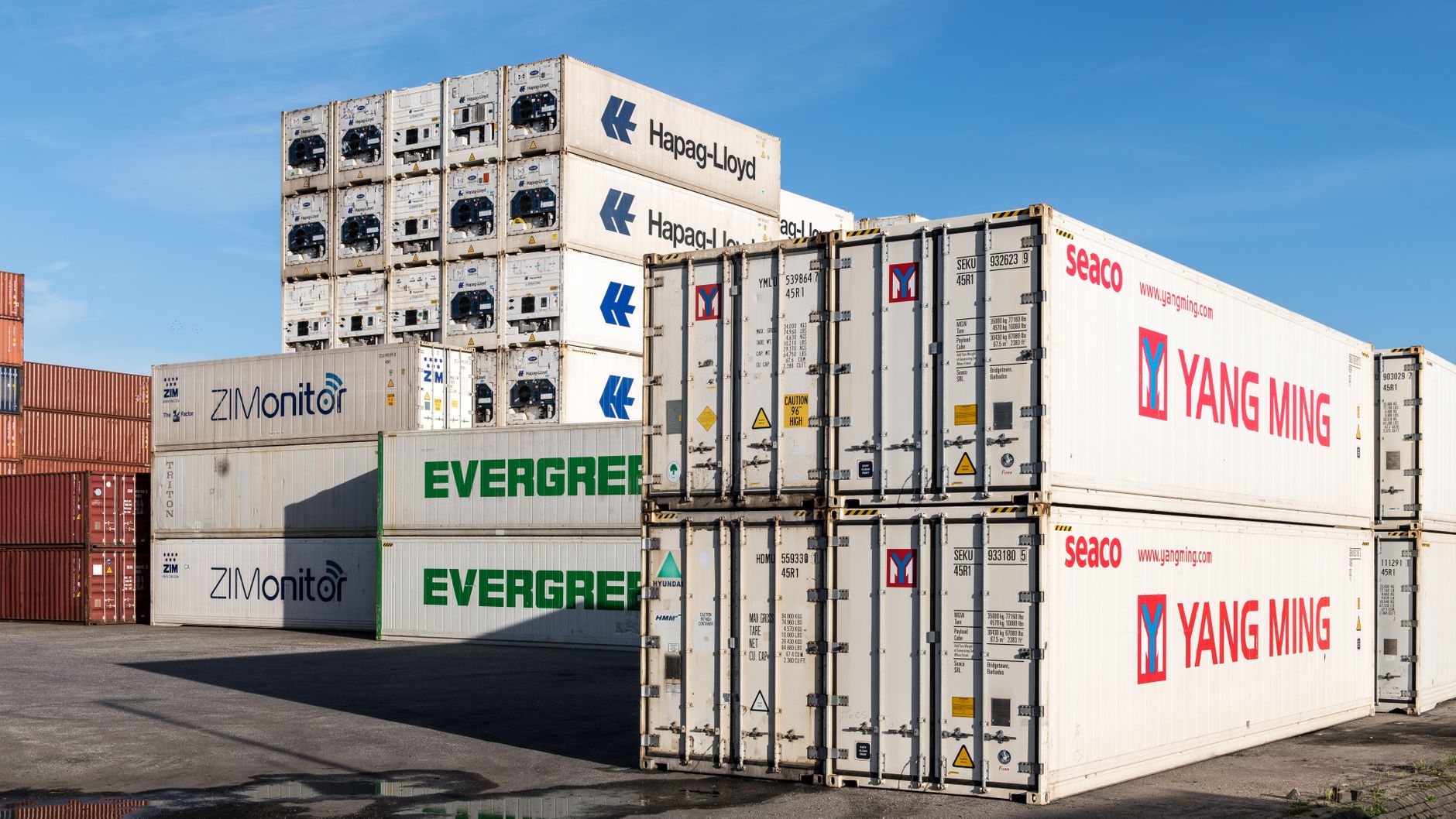
Demurrage is what the carrier or terminal charges when your container sits inside the port beyond its free time. Detention is what the carrier charges when the container has left the port but has not been returned empty within the agreed period. On refrigerated cargo both clocks run faster and cost more than they do on dry boxes, because a reefer occupies a powered plug, needs monitoring, and is expensive equipment the carrier wants back.
For a buyer of Brazilian frozen chicken, beef or pork, these two charges are the most common way a shipment that went perfectly at sea turns into a loss at the destination. The cargo is fine. The paperwork is late, the plug is occupied, and the meter is running.
Free time: the clock you are actually managing
Free time is the number of days the carrier allows before either charge begins. It is set by the carrier, the port, the trade lane and, in many cases, by what you negotiated in your service contract. It is not a legal standard and it is not uniform.
Three points matter more than the specific numbers:
- Reefer free time is generally shorter than dry container free time on the same lane, often by several days.
- Reefer daily rates are generally higher than dry rates, and they usually escalate in tiers, so day ten costs considerably more than day three.
- Demurrage and detention free time are counted separately. A container can clear demurrage cleanly and still run into detention because the empty was returned late.
Because carriers publish and revise these tariffs regularly, treat any figure you were quoted last season as out of date. Ask for the current reefer tariff for your specific port of discharge in writing, before the booking is confirmed.
Demurrage versus detention at a glance
| Demurrage | Detention | |
|---|---|---|
| Where the container is | Inside the terminal | Outside the terminal |
| What triggers it | Cargo not collected after free time | Empty not returned after free time |
| Who normally bills it | Carrier, sometimes the terminal | Carrier |
| Usual root cause | Customs, documents, finance, congestion | Slow unloading, no cold store slot, trucking |
| Reefer factor | Plug occupancy and monitoring | Equipment is scarce and high value |
| Who controls the outcome | Mostly the importer and broker | Mostly the importer and their warehouse |
A third charge often appears on the same invoice: terminal storage, which some ports bill separately from carrier demurrage. And on reefers you will usually see plug-in or monitoring charges, billed per day for power and for the periodic temperature checks the terminal performs. These accrue from arrival, not from the end of free time, so they are a cost of every reefer import rather than a penalty.
Why frozen meat is exposed more than most cargo
A container of dry goods sitting an extra week at the terminal costs money. A reefer sitting an extra week costs money and carries risk. Every day at the port is a day depending on the terminal's plug, the terminal's generator continuity during an outage, and the terminal's monitoring routine rather than your own cold store.
The failure mode is rarely dramatic. It is a plug left unconnected for some hours after a move, an alarm nobody actioned over a weekend, or a unit cycling on a setpoint somebody adjusted. By the time the container reaches your cold store the product may have softened and refrozen, with the quality loss showing up as drip, texture change or freezer burn rather than as a rejection at the gate. Our note on preventing temperature excursions on frozen shipments covers how these gaps are detected and evidenced.
The commercial consequence is that demurrage on frozen meat is not just a storage fee. It is storage plus an elevated probability of a claim, and the two usually arrive together.
What actually causes the delay
Documentation arriving late or wrong
This is the single largest cause, and it is almost entirely preventable. A missing or incorrect health certificate, an original bill of lading still in transit, a certificate of origin with a mismatched description, or a halal certificate that names a plant number different from the one on the carton labels. Customs will not release, and the free time clock does not pause while you correct it. See our guide to Brazilian beef export health certificates for what these documents need to say.
Payment and release conditions not met
Under a letter of credit, a documentary discrepancy can hold release for days. Under telegraphic transfer, a payment sent late or routed through an unexpected correspondent bank does the same. Neither is a shipping problem, but both produce demurrage.
Inspection and sampling
Many destination authorities hold a proportion of consignments for physical inspection or laboratory testing. Where this happens it is routine rather than adverse, but it consumes free time, and on a first shipment to a new market it should be assumed rather than hoped against.
No cold store slot
The most avoidable cause of detention. The container is released, the truck is available, and there is nowhere to put twenty six tonnes of frozen product. Cold storage in many import markets runs close to capacity, and a slot booked the week before arrival is not always a slot that exists on the day.
Port congestion and vessel bunching
Outside your control, but not outside your planning. Transit reliability varies by lane and season, which is why we publish indicative transit times from Brazilian ports rather than single fixed numbers.
How to keep the clock from starting
- Negotiate free time at booking, not at arrival. Extended reefer free time is a commercial term. It is far cheaper to buy fourteen days up front than to pay tier three rates for four.
- Send draft documents before the vessel sails. Ask your supplier for scans of every certificate while the container is still at origin, and have your broker check them against the destination authority's requirements. Correcting a document at origin costs an email. Correcting it after arrival costs a week.
- Confirm the empty return depot and its hours. Detention is frequently incurred because the nominated depot is full or closed, not because the importer was slow.
- Book the cold store slot against the ETA, then re-confirm on berthing. Treat the slot as a booking that decays, because it does.
- Clear funds and banking conditions early. Whatever the payment instrument, know exactly what has to be satisfied before release and satisfy it before arrival.
- Plan the first shipment to a new market with slack. Assume inspection, assume a document query, and build the buffer into the free time you negotiate.
- Know your Incoterm. Who bears destination charges follows from the term you agreed, and buyers are sometimes surprised to discover that a term they thought was door to door left demurrage on their account.
A practical rule: every day of free time you negotiate at booking costs a fraction of a day of reefer demurrage at the terminal. Negotiating free time is the cheapest cold chain insurance available to an importer.
Checking and disputing an invoice
Demurrage and detention invoices are frequently wrong, and they are worth checking line by line rather than paying on sight. The checks that recover the most money are simple:
- Verify the free time start date against the actual date the container was available to you, not the vessel arrival date. The two are often different.
- Check whether weekends, public holidays and terminal closure days are excluded under the applicable tariff.
- Look for days when the container could not physically be collected because the terminal was shut, the gate system was down, or an appointment could not be obtained.
- Confirm the tier rates applied match the published tariff for that port and equipment type.
- Check the empty return date used for detention against your depot receipt.
Rules on what an invoice must contain and how quickly it must be issued vary by jurisdiction. In the United States, for example, the Federal Maritime Commission's billing requirements set out specific information that demurrage and detention invoices must include and timeframes for issuing and disputing them. Other markets have no equivalent framework, so the contract and the carrier's own tariff govern. Either way, raise disputes in writing and promptly, because most tariffs impose a short window.
Where the exporter's side of this sits
A good supplier reduces your exposure before the container ever loads. That means documents prepared to the destination authority's actual requirements rather than a generic template, scans issued at loading, carton labels that match the certificates exactly, and honest communication when a vessel rolls. It also means a stow and a temperature record that will survive scrutiny if the shipment is inspected, which is covered in our pieces on container loading and stowage for frozen cargo and reefer container temperatures.
Brazil's meat export sector ships to well over a hundred markets and the documentary conventions for each are well established, as the Brazilian Animal Protein Association sets out for poultry and pork. Broader guidance on food trade and safety documentation is published by the Food and Agriculture Organization. The information exists. Most demurrage happens because somebody assumed it would be handled rather than confirming it was.
A short pre-arrival checklist
- Free time for demurrage and detention confirmed in writing, for this port and reefer equipment.
- Full document set received as scans and checked by your broker.
- Import permit or licence in force and covering this consignment.
- Payment or letter of credit conditions satisfied.
- Cold store slot booked and re-confirmed.
- Trucking arranged with a reefer-capable carrier and a genset if required.
- Empty return depot, opening hours and cut-off confirmed.
- Named contact at the supplier for same-day document corrections.
Brazil Prime Foods Export supplies frozen chicken, beef and pork from SIF registered plants, and prepares destination-specific documentation with scans released at loading so your broker can clear before the vessel berths. See our frozen chicken, frozen beef and frozen pork pages, review our certifications, or request a quote. For the wider picture, start with our guide to cold chain logistics for frozen food exports, or contact our export team to discuss free time and documentation for your market.
Frequently asked questions
- What is the difference between demurrage and detention?
- Demurrage is charged when a container remains inside the port terminal beyond the agreed free time. Detention is charged when the container has left the terminal but the empty has not been returned to the carrier within its free time. The two clocks are counted separately, so a shipment can avoid one and still incur the other.
- Why is demurrage higher on reefer containers?
- Refrigerated containers occupy a powered plug at the terminal, consume electricity continuously, and usually require periodic temperature monitoring. The equipment is also more expensive and scarcer than dry boxes, so carriers allow less free time and charge higher daily rates, typically escalating in tiers the longer the container stays.
- How much free time do I get on a reefer container?
- There is no standard. Free time is set by the carrier, the port, the trade lane and your service contract, and reefer free time is generally shorter than dry container free time on the same route. Ask your carrier for the current written tariff for your specific port of discharge and equipment type before confirming the booking.
- What is the most common cause of demurrage on frozen meat imports?
- Documentation. A missing or incorrect health certificate, an original bill of lading still in transit, a certificate of origin that does not match the cargo description, or a halal certificate naming a different plant number will all hold customs release, and free time keeps running while the problem is corrected.
- Can demurrage damage the cargo as well as cost money?
- It can. While the container sits at the terminal, temperature integrity depends on the terminal's plug continuity and monitoring rather than your own cold store. Short unplugged periods during moves or unactioned alarms can cause partial thaw and refreeze, which usually shows up later as drip loss, texture change or freezer burn rather than as an obvious rejection.
- How do I dispute a demurrage or detention invoice?
- Check the free time start date against the date the container was actually available to you, confirm whether weekends, holidays and terminal closures are excluded, look for days when collection was physically impossible, and verify the tier rates against the published tariff. Raise the dispute in writing and quickly, because most tariffs and, in some jurisdictions, regulations impose a short dispute window.
References & further reading
Explore our export catalogue
Brazil Prime Foods Export ships SIF-certified product to wholesalers, distributors and foodservice operators worldwide.
Request support
Our export team replies within one business day, pricing, specs, documentation or shipping.
Request a QuoteContact us
Direct line to our trade desk in Brazil, calls, WhatsApp and email.
Contact our team