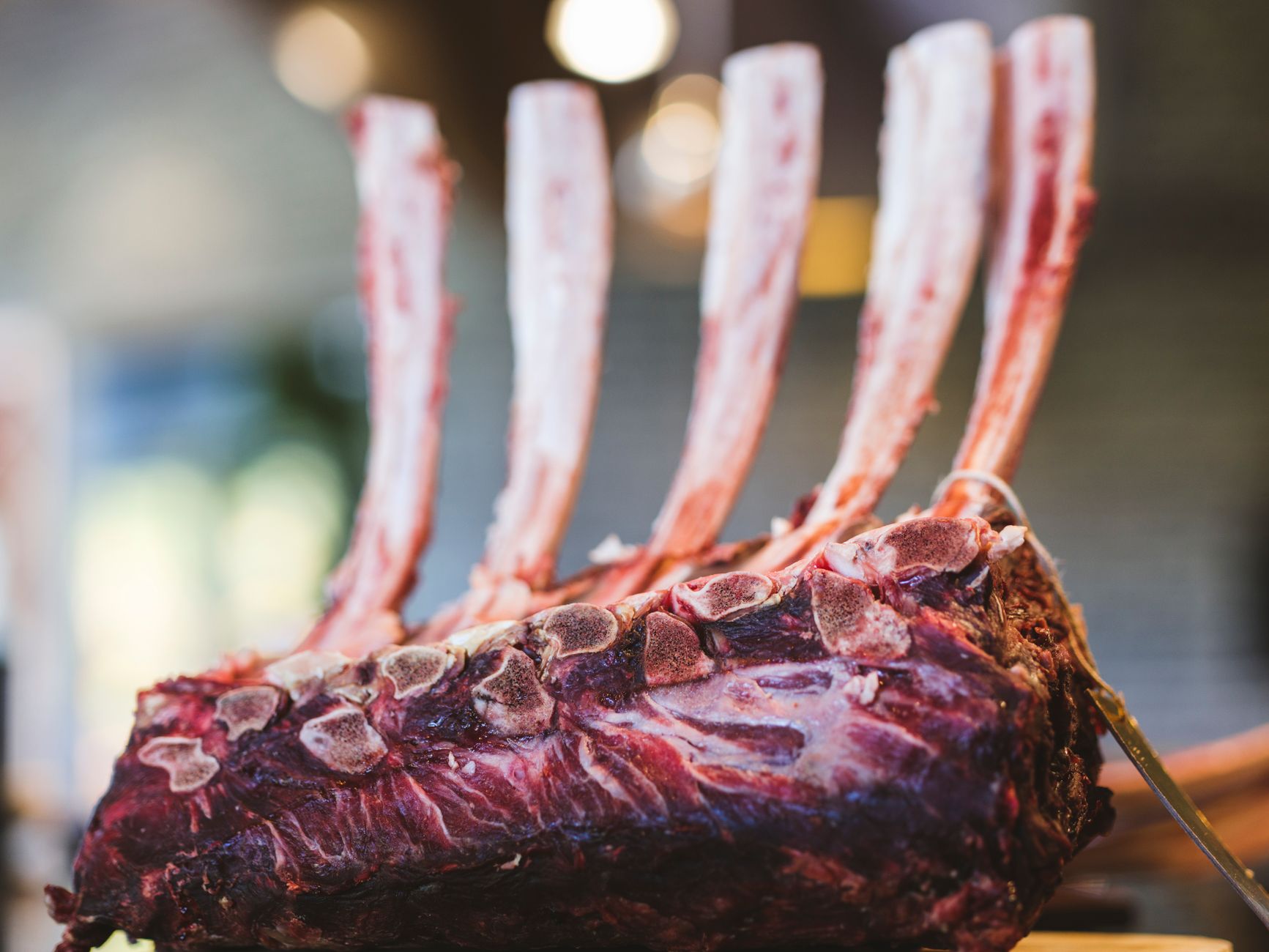
Brazil exports pork ribs in three main forms, spare ribs, St. Louis cut, and baby back (loin back) ribs, supplied frozen to importers, distributors, and foodservice buyers worldwide with SIF plant approval and halal certification available on request.
Pork ribs are one of the most requested cuts in the global frozen pork trade because they carry strong demand across retail, barbecue, and HORECA channels. For buyers, the challenge is matching the right rib type to their market and confirming the packing, freezing, and documentation that keep the product compliant on arrival. This guide explains the differences between the main rib cuts, how Brazilian exporters pack and freeze them, typical order economics, and the paperwork that accompanies every shipment.
Why buyers source pork ribs from Brazil
Brazil is one of the world's largest pork exporters and continues to expand its footprint. Industry data from the Brazilian Animal Protein Association (ABPA) shows pork shipments reaching record levels through 2025, with buyers diversifying well beyond a handful of destinations. The Philippines has emerged as a leading market alongside long-standing demand from Asia, Latin America, and Africa.
For rib buyers specifically, the appeal is consistent grading, competitive pricing, and a mature cold-chain that moves frozen product reliably from Brazilian ports. Ribs are a flexible cut: retailers want uniform, retail-ready racks, while foodservice operators often prefer meatier spare ribs or trimmed St. Louis racks for smoking and slow cooking.
The three main pork rib cuts explained
Understanding the anatomy helps you order the correct product and avoid costly mismatches. The three rib types come from different parts of the hog and behave differently in the kitchen.
Spare ribs
Spare ribs come from the belly section of the hog, below the loin. They are larger, meatier, and more marbled than baby backs, which makes them popular for barbecue and slow cooking. Because they include the full rib section with brisket bone and cartilage, they offer a higher meat yield per rack at a competitive price point.
St. Louis cut ribs
St. Louis ribs are spare ribs trimmed into a uniform rectangular rack, with the brisket bone, sternum, and rib tips removed. The result is a flat, even rack that cooks consistently and presents well on a plate, which is why it is a favourite in barbecue restaurants and export retail programs. The trimming that creates a St. Louis rack also produces rib tips, a useful secondary product for buyers who want to capture full value from the animal.
Baby back (loin back) ribs
Baby back ribs, also called loin back ribs, are cut from the top of the rib cage where the ribs meet the backbone, just below the loin muscle. They are shorter, more curved, leaner, and more tender than spare ribs, and they command a premium in many retail markets. Their smaller size and quicker cooking time make them well suited to portioned retail packs and premium foodservice menus.
| Rib type | Origin on hog | Character | Typical buyer |
|---|---|---|---|
| Spare ribs | Belly section | Meatier, marbled, larger rack | Barbecue, foodservice, value retail |
| St. Louis cut | Trimmed spare ribs | Uniform rectangular rack, even cooking | Restaurants, export retail programs |
| Baby back | Top of rib cage, below loin | Shorter, leaner, more tender | Premium retail, HORECA |
How Brazilian pork ribs are packed and frozen
Packing format is one of the most important specifications to confirm before you order, because it affects handling, thawing, and shelf presentation. Brazilian exporters typically offer ribs in the following formats:
- Vacuum-packed racks: individual racks sealed in food-grade film, which protects against freezer burn and suits retail and premium foodservice.
- IQF (individually quick frozen): racks or portions frozen separately so pieces do not clump, giving buyers flexible portion control.
- Bulk or block frozen: ribs packed into master cartons for buyers who process or repack after arrival.
Racks are generally consolidated into poly-lined master cartons, with carton weights commonly in the 10 to 15 kg range, then palletised for reefer loading. Product is frozen and held at around minus 18 degrees Celsius and shipped in temperature-controlled reefer containers to preserve quality in transit. Confirm carton weight, rack count, and any interleaving before you finalise an order, since these details drive both your landed cost and your handling at destination.
Always align packing format with your end channel. Vacuum-packed racks suit supermarket shelves, while bulk cartons make sense for further processors and central kitchens.
Order economics and minimum quantities
Frozen pork ribs are usually sold by the full reefer container, most often a 40-foot high-cube unit. Many exporters will build a mixed load that combines rib types, or ribs with other pork cuts, to help buyers meet a full container while keeping their range broad. Pricing moves with the global pork market, feed costs, and currency, so quotes are typically issued on an FOB or CIF basis with a defined validity window.
When you request a quote, specify the rib type, packing format, carton weight, target quantity, destination port, and any certification you require. Clear specifications let the exporter price accurately and reduce the risk of disputes on arrival. You can request current specifications and pricing through the quote request page or reach the team directly via the contact page.
Certification and export documentation
Every legitimate pork shipment from Brazil leaves an establishment approved under the Federal Inspection Service (SIF), administered by the Ministry of Agriculture and Livestock (MAPA). SIF approval confirms that the plant meets Brazilian sanitary standards and is eligible to export, and importing authorities check that the exporting plant is listed for their market.
Typical documents accompanying a rib shipment include the commercial invoice, packing list, bill of lading, certificate of origin, and a sanitary or veterinary health certificate issued for the destination country. Buyers in Muslim-majority markets should confirm that the product carries valid halal certification from a recognised body. You can review the company's approvals on the certifications page, and the broader process is covered in the complete guide to importing Brazilian frozen pork.
Because import rules differ by country, always verify the current requirements of your own food safety authority before shipping. Requirements for plant listing, labelling, and health certificates can change, so treat the destination authority as the final word.
Matching rib type to your market
The right rib for your business depends on channel and price positioning. Premium retailers and upscale restaurants often favour baby back ribs for tenderness and presentation. Barbecue-driven markets and value retail frequently prefer spare ribs for meat yield and price. St. Louis racks sit in between, offering the even cooking and clean presentation that export retail programs and restaurant chains value. Buyers building a full container can combine formats to serve several channels from a single shipment. Explore the full pork range on the frozen pork page.
Rib specifications that decide the sale
Pork ribs are sold on geometry as much as on weight, so a vague specification produces a technically compliant but commercially useless shipment. Spare ribs, St Louis cut and baby back ribs differ in bone structure, meat cover and cooking behaviour, and each channel has a narrow acceptable band. A barbecue chain buying for a fixed cook programme cannot absorb a rack that is two hundred grams heavier than specification, because portion cost and cook time both move.
| Format | Typical rack weight | Primary channel |
|---|---|---|
| Spare ribs, full | 1.2 kg to 1.8 kg | Foodservice, wholesale |
| St Louis cut | 0.9 kg to 1.4 kg | Barbecue chains, retail packs |
| Baby back ribs | 0.5 kg to 0.9 kg | Premium retail, restaurants |
| Riblets and tips | Bulk | Value menu and processing |
Fields to fix in the purchase order
- Rack weight band with a stated tolerance and how out of band pieces are handled.
- Membrane on or off, since removal is labour the plant must price.
- Maximum fat cover in millimetres and required meat cover over the bone.
- Number of ribs per rack and whether skirt meat remains attached.
- Packing format, commonly vacuum packed per rack or interleaved in bulk cartons.
Handling, yield and channel economics
Ribs carry a high bone fraction, so buyers should model cost per serving rather than cost per kilogram. A rack that appears expensive can deliver a better serving cost if meat cover is generous and trim loss is low. Ask for a sample based yield test on the first shipment, documented with photographs and weights before and after trimming, and use it as the reference standard for later deliveries.
On the logistics side, vacuum packed racks travel with less freezer burn risk and allow direct retail presentation, while bulk packed ribs load more efficiently and suit kitchens that portion in house. Whatever the format, require core temperature at loading and a full transit temperature record, because rib fat oxidises quickly once the chain slips.
Compare the wider cut range in the Brazilian pork cuts reference, review bone yield decisions in bone in versus boneless pork, and check packaging in frozen pork packaging and cold chain. To specify racks for your programme, visit frozen pork and send a request for quotation.
Frequently asked questions
- What is the difference between St. Louis and baby back ribs?
- St. Louis ribs are spare ribs from the belly trimmed into a flat, rectangular rack, meatier and larger. Baby back ribs come from the top of the rib cage below the loin and are shorter, leaner, and more tender. St. Louis racks suit barbecue and even cooking, while baby backs command a retail premium.
- How are Brazilian pork ribs frozen for export?
- Ribs are frozen using IQF or blast freezing and held at around minus 18 degrees Celsius. They are offered vacuum-packed, IQF, or bulk block frozen, then packed into poly-lined master cartons and shipped in temperature-controlled reefer containers.
- What is the minimum order for frozen pork ribs?
- Ribs are generally sold by the full reefer container, most often a 40-foot high-cube unit. Exporters can build mixed loads combining rib types or other pork cuts to help buyers reach a full container while keeping their product range broad.
- Are Brazilian pork ribs halal certified?
- Halal certification is available on request from recognised certification bodies for buyers in Muslim-majority markets. Confirm the specific halal body and any destination-country requirements before ordering, as recognition varies by market.
- Which documents come with a pork rib shipment?
- Typical documents include the commercial invoice, packing list, bill of lading, certificate of origin, and a sanitary or veterinary health certificate for the destination country. Shipments originate from SIF-approved establishments listed for the importing market.
- Can I mix rib types in one container?
- Yes. Many exporters build mixed loads that combine spare, St. Louis, and baby back ribs, or ribs with other pork cuts, so buyers can serve several channels from one shipment while meeting full-container economics.
References & further reading
Explore our export catalogue
Brazil Prime Foods Export coordinates frozen-meat sourcing and export for wholesale buyers in eligible markets. Confirm the supplying plant and documentation for your order.
Request support
Ask our export team about pricing, specifications, documentation or shipping for your order.
Request a QuoteContact us
Direct line to our trade desk in Brazil, calls, WhatsApp and email.
Contact our team