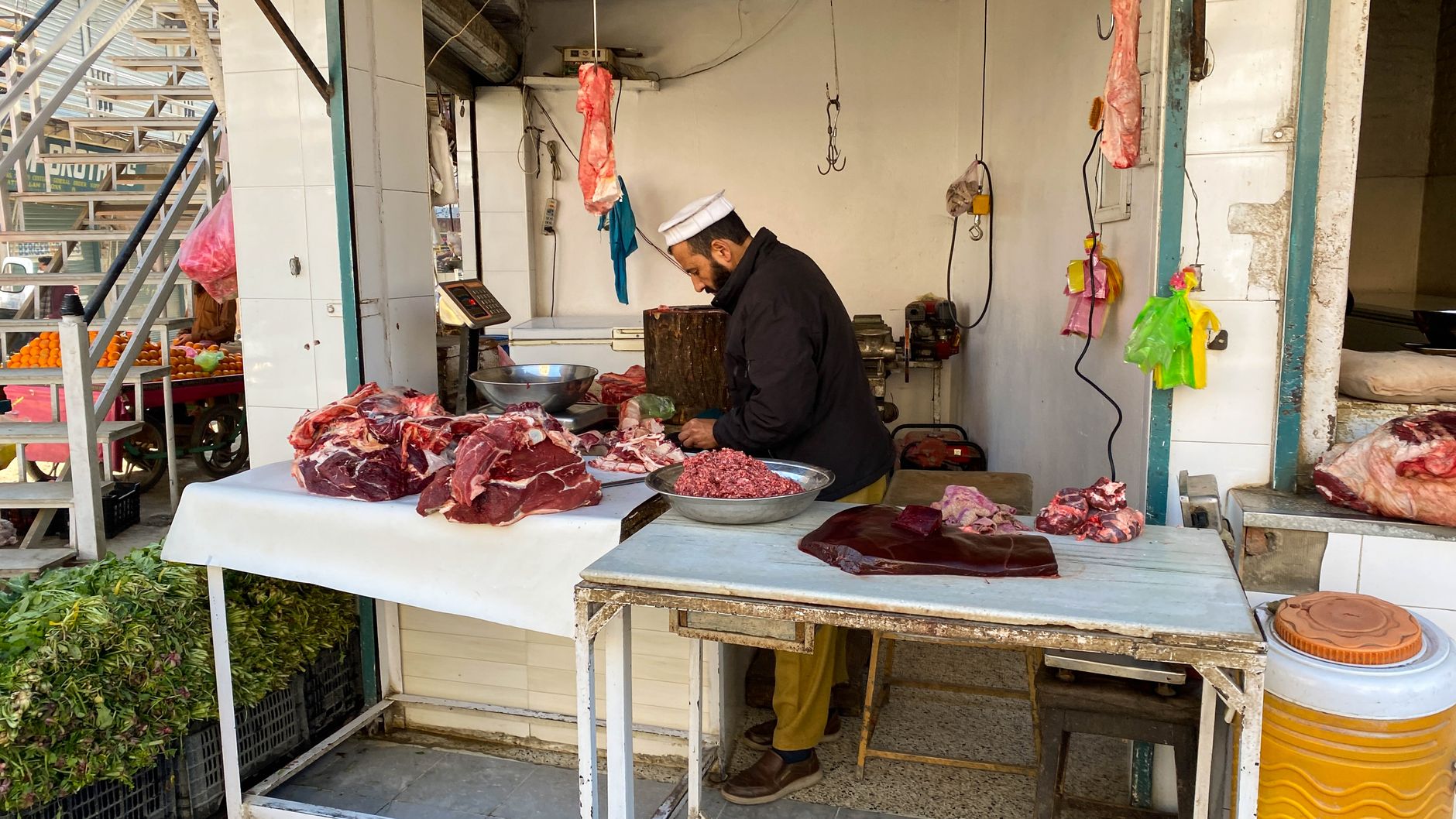
Brazil is the world's largest exporter of halal-certified chicken and one of the top global suppliers of halal beef, a position built on massive production scale, a government-run federal inspection system, and a network of internationally recognized halal certifying bodies working inside approved plants. For importers across the Middle East, Africa, and Southeast Asia, that combination of volume, consistency, and layered certification is why Brazilian frozen chicken and beef anchor so many halal supply chains.
The Scale of Brazil's Halal Protein Production
Brazil's animal protein sector runs at a scale few competitors can match. According to the Brazilian Association of Animal Protein (ABPA), the country exported a record volume of poultry meat in the first half of 2026, with export revenue climbing sharply year over year, and full-year chicken meat exports forecast at a new record. A large share of that volume moves through halal-certified lines, since Muslim-majority markets in the Middle East, North Africa, and Southeast Asia are among Brazil's largest poultry and beef buyers.
This scale matters for halal buyers specifically. A plant that only runs a halal line occasionally struggles to keep certification current, staff trained, and documentation consistent. Brazilian exporters that serve halal markets as a core part of their business, not a side project, tend to maintain steadier supply and fewer certification gaps between shipments.
| Factor | Why It Matters to Halal Buyers |
|---|---|
| Export volume | Large, consistent halal-line throughput reduces the risk of certificate lapses between orders |
| Government inspection (SIF) | Every export plant is federally registered and inspected before any halal certifier can operate on-site |
| Multiple recognized certifiers | Buyers can match a plant's certifying body to the requirements of their destination market |
| Established cold chain | Long-haul reefer shipping to the Gulf, Africa, and Asia is routine, not exceptional |
How Brazil Built Halal Credibility at the Government Level
Halal certification in Brazil does not stand alone. It sits on top of a mandatory federal food safety system run by the Ministry of Agriculture, Livestock and Supply (MAPA) through its Federal Inspection Service, known as SIF. Every plant that exports meat from Brazil, halal or otherwise, must hold an active SIF registration and pass ongoing government inspection covering sanitation, traceability, and animal health. Halal certifiers then operate as an additional, dedicated layer on top of that baseline, auditing slaughter procedure, segregation, and documentation specifically against Islamic dietary law.
That two-layer structure, government food safety inspection plus independent religious certification, is one reason destination authorities in the Gulf and Southeast Asia have been willing to build long-term recognition agreements with Brazilian plants rather than treating each shipment as a one-off.
Recognized Halal Certifying Bodies Operating in Brazil
Several Brazilian certifying bodies, including FAMBRAS Halal, CDIAL Halal, and SIILHalal, carry out on-site halal audits at export plants. Their scope and recognition vary by destination market, which is why the same plant may hold more than one halal certificate depending on where its product is headed. For a detailed comparison of how these bodies map to specific destination requirements, see our breakdown of halal certification bodies recognised in the GCC and our comparison of JAKIM, MUI, and GCC halal standards.
Why Global Buyers Choose Brazilian Halal Chicken and Beef
Beyond certification, several practical factors keep Brazil at the center of halal sourcing decisions:
- Consistent year-round supply. Brazil's poultry and cattle production is not seasonal in the way some competing origins are, which helps buyers plan regular container schedules.
- Competitive landed cost. Large-scale integrated production, from feed to slaughter to freezing, keeps FOB pricing competitive even after freight to distant markets.
- Broad product range. Buyers can source frozen chicken and frozen beef cuts sized for retail, foodservice, or further processing from the same origin, simplifying supplier management.
- Established trade relationships. Decades of trade with the Gulf states, Africa, and parts of Asia mean customs authorities, banks, and logistics providers on both sides already understand the documentation flow.
Maintaining Halal Integrity from Farm to Port
Certification at the plant is only the starting point. Halal status has to be protected all the way through freezing, storage, and the reefer voyage to the destination port, since cross-contamination or a broken document chain can jeopardize a shipment's acceptance. We cover the practical side of this in maintaining halal integrity through the cold chain and the paperwork side in halal documentation required for importing into the Middle East.
Halal integrity is a chain, not a single certificate. A shipment is only as halal-compliant as its weakest handoff, whether that is the slaughter line, the freezer, the container, or the customs desk.
What Importers Should Verify Before Ordering
Before confirming an order from any Brazilian supplier, buyers sourcing for a halal market should check:
- The plant's current SIF registration number and whether it is listed as approved for the destination country.
- Which halal certifying body issued the certificate, and whether that body is formally recognized by the destination's food or halal authority (for example the GCC Standardization Organization for Gulf markets, or JAKIM for Malaysia).
- Whether the halal certificate is shipment-specific or a general plant approval, since some destination authorities require a certificate tied to the specific export lot.
- Whether the halal line is physically segregated from non-halal production within the same plant.
- The expiry date on both the halal certificate and the underlying sanitary/veterinary certificate, since either lapsing can hold a container at customs.
Working with a supplier that already understands these requirements for your specific destination, rather than treating halal as a generic checkbox, is usually the fastest way to avoid delays. For background on the wider certification landscape, see our complete guide to halal food export from Brazil and our overview of halal poultry export standards.
Frequently asked questions
- Is Brazil really the largest halal meat exporter in the world?
- Brazil is widely recognized as the world's largest exporter of halal-certified chicken, and it ranks among the top global suppliers of halal beef, according to industry data published by ABPA and reporting from Brazil's meat export trade press.
- Which government agency oversees halal meat exports from Brazil?
- MAPA, Brazil's Ministry of Agriculture, Livestock and Supply, oversees the underlying federal food safety inspection (SIF) at every export plant. Halal certification itself is carried out separately by accredited Islamic certifying bodies operating within those MAPA-approved plants.
- Does a Brazilian halal certificate work in every Muslim-majority market?
- Not automatically. Different destination markets recognize different certifying bodies and standards, for example GSO 2055 in the GCC or JAKIM approval for Malaysia, so buyers should confirm that the specific certifying body on their supplier's certificate is accepted in their destination country.
- Is halal-certified Brazilian chicken more expensive than standard chicken?
- Halal certification adds some cost for auditing, dedicated staff, and segregated processing, but Brazil's overall production scale generally keeps halal-certified frozen chicken and beef competitive on landed cost compared to other exporting origins.
- Can a Brazilian plant lose its halal certification?
- Yes. Halal certifying bodies conduct ongoing audits, and a plant can have its certification suspended or withdrawn for non-compliance, which is why buyers should verify certificate validity on each order rather than assuming a past certificate still applies.
- What is the difference between halal certification and SIF registration?
- SIF registration is Brazil's mandatory federal food safety approval, required for any meat plant to export at all. Halal certification is an additional, separate audit performed by an accredited Islamic certifying body specifically to confirm compliance with Islamic dietary law. A plant needs both to legally export halal meat.
References & further reading
Explore our export catalogue
Brazil Prime Foods Export coordinates frozen-meat sourcing and export for wholesale buyers in eligible markets. Confirm the supplying plant and documentation for your order.
Request support
Ask our export team about pricing, specifications, documentation or shipping for your order.
Request a QuoteContact us
Direct line to our trade desk in Brazil, calls, WhatsApp and email.
Contact our team