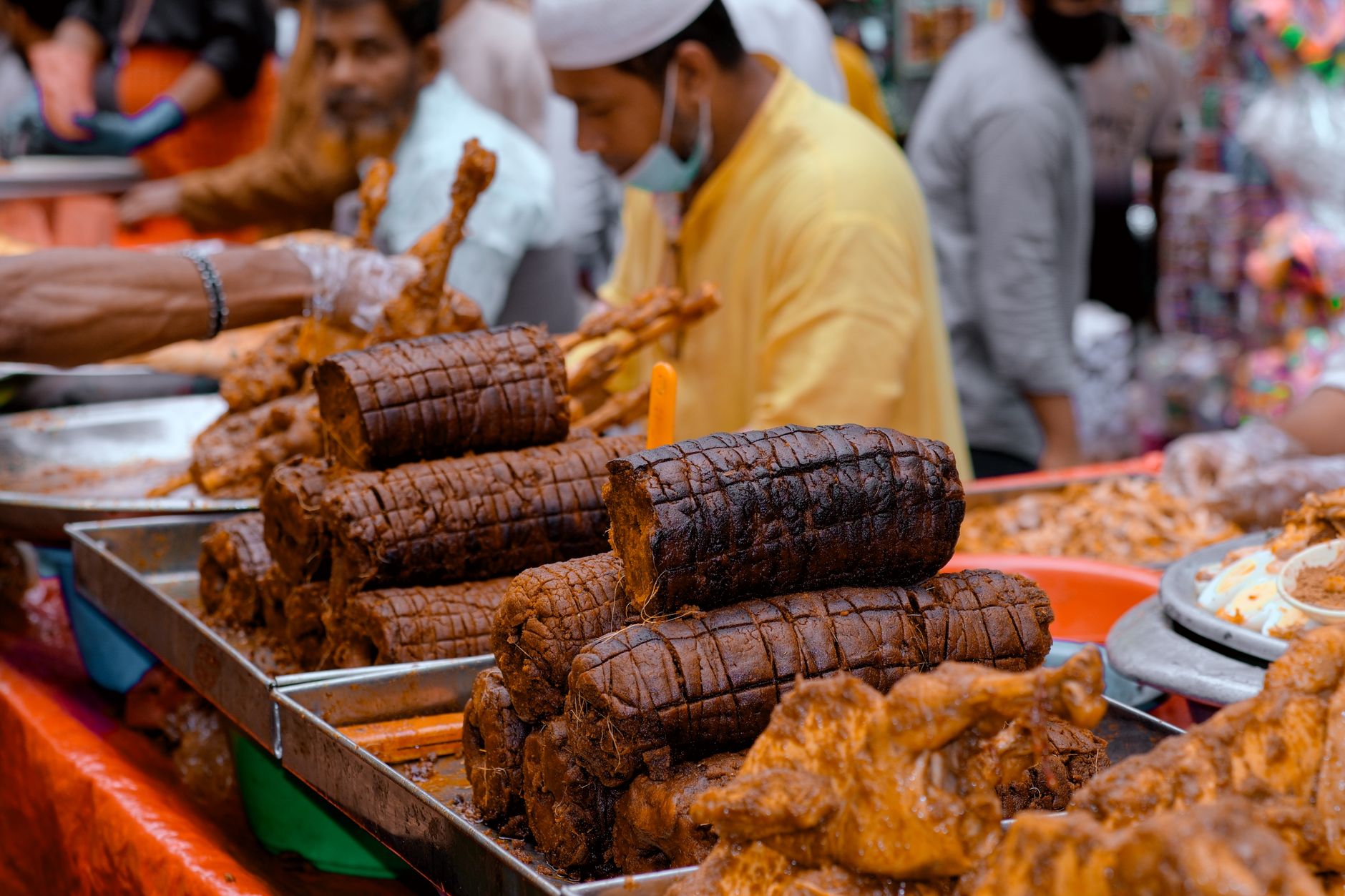
Halal food export from Brazil means protein and food products slaughtered, processed and certified in line with Islamic law by a recognised Brazilian halal body, then shipped under federal veterinary supervision to markets such as the Gulf, Africa and Southeast Asia. Brazil is among the world's largest suppliers of halal-certified chicken and a major source of halal beef, which is why importers across the Middle East and beyond source so much of their frozen protein from Brazilian plants.
This guide is written for wholesalers, distributors, supermarkets, importers and foodservice buyers who need a clear, practical picture of how halal export from Brazil actually works, from certification through to the documents on the container.
Why Brazil is a leading halal protein supplier
Brazil combines very large production capacity with a mature halal ecosystem. Major poultry and beef plants have run dedicated halal lines for decades, supervised by Muslim slaughtermen and recognised certifiers. According to the Brazilian Animal Protein Association (ABPA), the Middle East is one of the largest destinations for Brazilian chicken, and Gulf buyers rely heavily on Brazilian supply.
Three things make Brazil attractive to halal buyers:
- Scale and continuity: plants can commit to repeat container volumes of frozen chicken and beef without interrupting supply.
- Recognised certification: leading Brazilian halal bodies are accepted by Gulf and Asian authorities.
- Federal oversight: export plants operate under Brazil's Federal Inspection Service, so halal certification sits on top of a strong food-safety base.
For product-level detail, see our guides to halal frozen chicken certification and halal frozen beef certification.
How halal certification works in Brazil
Halal certification in Brazil is issued by independent Islamic organisations that supervise the production process and audit the plant. The certifier confirms that slaughter is performed by Muslim operators, that the animal is healthy and correctly handled, that no prohibited substances contaminate the line, and that halal and non-halal production are kept separate.
Widely recognised Brazilian halal certifiers include FAMBRAS Halal, CDIAL Halal and CIBAL Halal. These bodies are accepted in many Gulf and Southeast Asian markets, and their recognition status is what importers should check first, because a certificate is only useful if the destination authority accepts the issuing body.
Practical rule for buyers: confirm that the plant's halal certifier is recognised by the authority in your destination country before you place an order, not after the goods have shipped.
Halal certification works alongside, not instead of, food-safety systems. Ask suppliers about SIF federal inspection and HACCP as well, since serious importers expect both halal and food-safety documentation.
Halal standards recognised in the Gulf
Gulf importers generally reference the GSO 2055-1 halal standard from the Gulf Standardization Organization, and many authorities also recognise the OIC/SMIIC halal framework. Saudi Arabia applies its own layer through the Saudi Food and Drug Authority (SFDA) halal scheme, under which meat and poultry shipments require both an approved plant certificate and a halal certificate for the consignment.
Requirements differ by country, so treat each market on its own terms. Our country guides cover the specifics for exporting halal meat to Saudi Arabia and exporting halal meat to the UAE.
Typical documents a halal shipment needs
| Document | Purpose |
|---|---|
| Halal certificate (plant and/or shipment) | Confirms the goods were produced under recognised halal supervision |
| Veterinary health certificate | Issued under federal inspection; confirms sanitary compliance |
| Certificate of origin | Confirms Brazilian origin of the goods |
| Commercial invoice and packing list | Describe the goods, quantities, weights and values |
| Bill of lading | Transport document for the sea freight |
Exact requirements vary by destination and product, so always confirm the current list with your certifier, your freight forwarder and the importing authority.
Protecting halal integrity through the cold chain
Halal status is not only about slaughter. It must be preserved all the way to the buyer. That means halal product should not be cross-contaminated with non-halal goods during cold storage, loading or transport, and the frozen chain must stay unbroken. Reputable exporters segregate halal cargo, seal reefer containers and hold product at deep-freeze temperatures from the plant to the port.
Brazilian halal exports typically move as frozen sea freight from ports such as Santos, Itajai and Paranagua. Buyers should confirm loading temperatures and container seals, and keep temperature and seal records with the shipment file.
How to source halal food from Brazil
- Define the product and market: for example, halal frozen whole chicken for the UAE, or halal frozen beef cuts for Saudi Arabia.
- Confirm certifier recognition: check that the plant's halal body is accepted by your destination authority.
- Verify food safety: ask for federal inspection and HACCP evidence in addition to the halal certificate.
- Agree specifications and Incoterms: cut, grade, packaging, temperature and whether the price is FOB or CIF.
- Check documentation early: align on the exact certificate set before production, not at the port.
Brazil Prime Foods Export supplies halal frozen chicken and frozen beef to importers worldwide. You can review our certifications, read common questions on the FAQ page, or request a quote for your target market.
Which certifier for which market
Brazil hosts several halal certification bodies whose recognition varies by destination. Recognition is granted market by market and can change, so the working rule is to verify recognition on the date of issue rather than relying on reputation.
| Destination | Recognition route | Buyer action |
|---|---|---|
| GCC states | Accreditation through the GCC Accreditation Center | Check certifier accreditation and plant listing together. |
| Malaysia | Foreign certifier recognition by JAKIM, plant by plant | Ask for the recognition reference covering your named plant. |
| Indonesia | BPJPH registration with MUI-linked audit history | Allow long lead times for any new plant. |
| Egypt, Jordan, North Africa | Recognised certifiers plus consular or chamber attestation in some cases | Confirm whether legalisation of documents is required. |
| West and Central Africa | Broad acceptance of established Brazilian certifiers | Focus on import permits and pre-shipment inspection. |
The audit cycle behind the certificate
Certification is not a single visit. A plant is audited before approval, then subject to periodic surveillance audits and unannounced checks, with a resident or visiting supervisor overseeing slaughter and, where relevant, further processing. Findings are logged with corrective actions and deadlines, and unresolved findings can suspend the certificate. When you evaluate a supplier, ask when the last surveillance audit took place and whether any open findings affect the product you are buying.
Documents that travel with a halal consignment
- Original halal certificate matched to plant, product, dates and destination.
- Government health certificate issued by the federal inspection service.
- Commercial invoice and packing list with identical descriptions and weights.
- Bill of lading with correct consignee and notify party.
- Certificate of origin, plus legalisation where the destination requires it.
- Where applicable, an import permit obtained by the buyer before shipment.
Label and carton claims
Halal claims on retail packs and master cartons are regulated in most destination markets. Expect requirements for the certifier's mark or reference, the establishment code, production and expiry dates in the local format, net weight, storage instructions, country of origin and, in many Gulf and North African markets, Arabic text. Agree artwork with the plant and have it approved by your customs broker before production, because relabelling at destination is expensive and sometimes not permitted.
Due diligence steps for a first halal order
Work through these in order: confirm the plant and its certifier are recognised in your market; obtain a sample document set from a previous shipment to the same destination; agree specification, packing and labelling in writing; secure your import permit if one is needed; agree payment terms that release funds against compliant documents; and confirm plant status again shortly before loading. Related reading: halal certification bodies in the GCC and what SIF certification means.
Where halal programmes usually go wrong
Three failure patterns account for most problems. The first is recognition drift, where a certifier accepted last year is no longer accepted for the destination, or a plant has been removed from the importing authority's list. The second is scope mismatch, where the certificate covers the plant but not the specific product, or names a consignee that does not match the bill of lading. The third is document logistics, where originals arrive after the vessel and the consignment accrues storage and demurrage while the file is completed. All three are prevented by a written pre-shipment document check with your customs broker.
A workable pre-shipment routine
- Ten days before loading: confirm plant listing and certifier recognition in writing.
- Five days before loading: approve draft invoice, packing list, halal certificate and health certificate wording.
- At loading: obtain container and seal numbers, reefer set point and product core temperature.
- Within 48 hours of sailing: receive scans of the full set and courier the originals with a tracked service.
- Before arrival: broker files entry with copies, flags any legalisation requirement, and confirms inspection booking.
Buyers who run that routine on every shipment treat halal compliance as a process rather than a hope, and their clearance times reflect it.
One more discipline: keep the file after arrival
Retain the complete document set per lot, with carton photographs and temperature records, for the product's full shelf life. Institutional and retail customers ask for halal evidence at lot level, and a supplier who can produce it the same day wins repeat business.
Frequently asked questions
- Is Brazil a reliable source of halal food?
- Yes. Brazil is one of the world's largest exporters of halal-certified chicken and a major halal beef supplier, with dedicated halal lines supervised by recognised Islamic certifiers and operating under federal veterinary inspection.
- Which halal certification bodies in Brazil are recognised in the Gulf?
- Leading Brazilian certifiers such as FAMBRAS Halal, CDIAL Halal and CIBAL Halal are accepted in many Gulf and Southeast Asian markets. Because recognition differs by country, importers should confirm that a plant's certifier is accepted by the authority in their destination before ordering.
- What halal standards do Gulf importers use?
- Gulf markets commonly reference the GSO 2055-1 standard from the Gulf Standardization Organization, and many also recognise the OIC/SMIIC framework. Saudi Arabia adds requirements through the SFDA halal scheme. Requirements vary by country, so each market should be checked individually.
- What documents does a halal shipment from Brazil need?
- A typical halal shipment includes a halal certificate for the plant and/or consignment, a veterinary health certificate under federal inspection, a certificate of origin, a commercial invoice and packing list, and a bill of lading. The exact set depends on destination and product.
- How is halal integrity maintained during shipping?
- Halal cargo is kept segregated from non-halal goods during storage, loading and transport, sealed in reefer containers and held at deep-freeze temperatures from plant to port. Temperature and seal records should be retained with the shipment file.
- Can Brazil Prime Foods supply both halal chicken and halal beef?
- Yes. Brazil Prime Foods Export supplies halal frozen chicken and frozen beef to importers, distributors and foodservice buyers worldwide. You can request a quote for your specific market and product specification.
References & further reading
Explore our export catalogue
Brazil Prime Foods Export coordinates frozen-meat sourcing and export for wholesale buyers in eligible markets. Confirm the supplying plant and documentation for your order.
Request support
Ask our export team about pricing, specifications, documentation or shipping for your order.
Request a QuoteContact us
Direct line to our trade desk in Brazil, calls, WhatsApp and email.
Contact our team