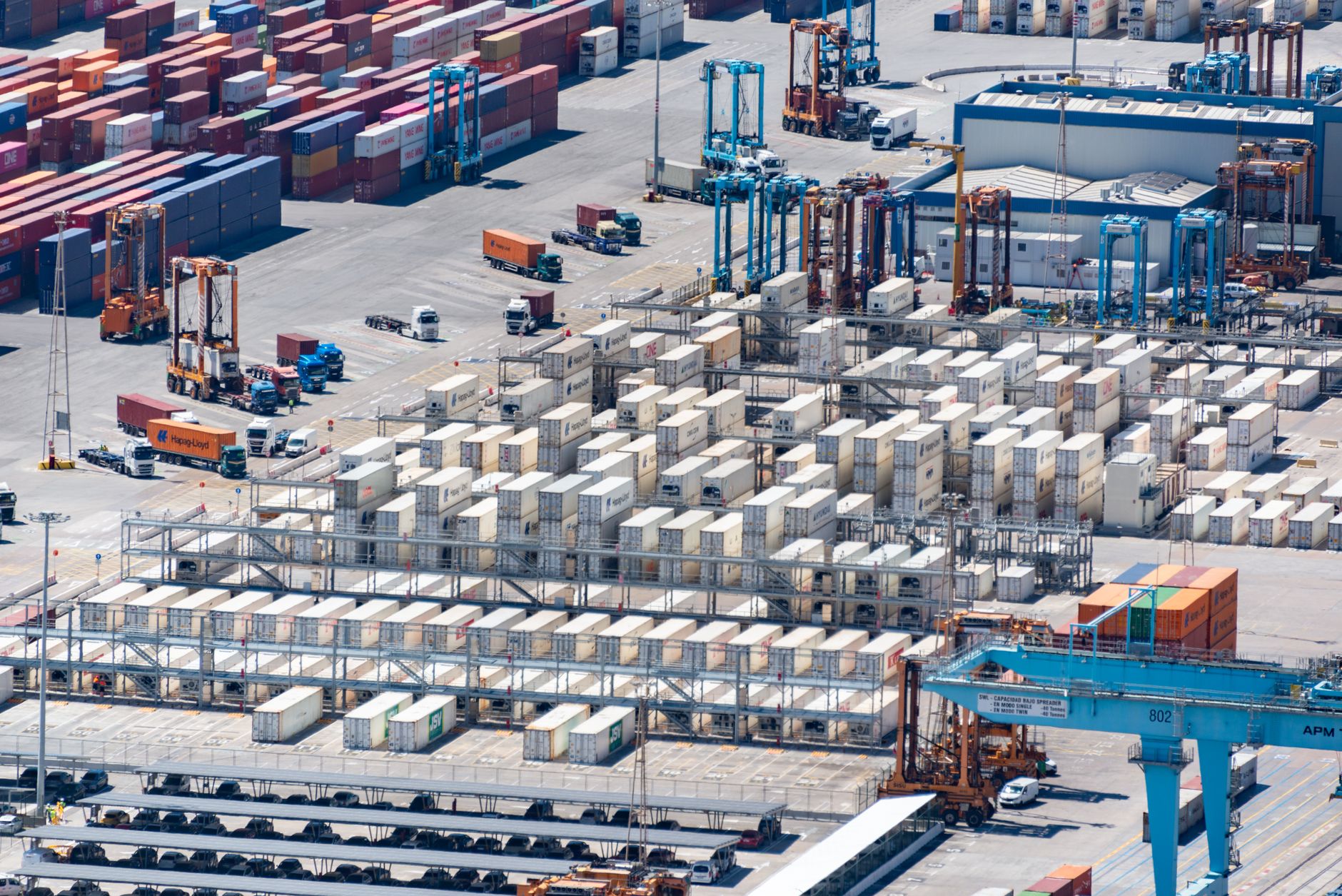
Halal integrity does not end at the slaughter line. It has to be actively protected through cold storage, container loading and transport, because cross-contact with non-halal product, an unsealed container, or a break in the documentation chain can undermine a certificate that was earned correctly at the plant. For buyers of Brazilian frozen chicken, beef and pork, understanding how that protection actually works, and what to check for, is part of verifying that the halal product arriving at port is the same halal product that left the plant.
Why Halal Status Can Be Lost After Slaughter
Certification bodies such as JAKIM, BPJPH/MUI and the GCC's GSO 2055 framework all extend their requirements beyond the slaughter and processing stage into storage, packaging, transport and handling. This is because halal status is not a fixed attribute stamped onto a product once and forgotten. It is a chain of custody that has to hold at every point where the product changes hands, moves between facilities, or shares space with anything that is not halal.
In practice, the highest-risk points for a frozen meat shipment are the ones furthest from the plant floor: cold storage warehouses that also hold non-halal inventory, loading docks where pallets from different production runs are staged together, and reefer containers that were previously used for other cargo without being properly cleaned. None of these failures show up on the original halal certificate, which is exactly why destination-market auditors and serious buyers look past the certificate itself and ask how segregation was actually maintained.
Segregation Requirements Across the Cold Chain
Standards differ in wording, but the underlying requirement is consistent: halal product must be physically and operationally separated from non-halal product at every stage, with that separation documented well enough to be verified later. Cold chain logistics for frozen meat already has to manage temperature continuity; halal shipments add a segregation layer on top of that.
| Stage | Segregation requirement | Why it matters |
|---|---|---|
| Cold storage | Dedicated halal zones, racking or rooms with clear signage and controlled access | Prevents accidental mixing or cross-contact with non-halal inventory in shared warehouses |
| Order picking and staging | Halal orders picked and staged separately, not combined on the same pallet or dock lane as non-halal orders | Avoids mislabeling and physical contact at the point where errors are most common |
| Container loading | Reefer container cleaned and inspected before loading, loaded exclusively with the halal shipment | A container previously used for pork or mixed cargo can compromise a chicken or beef halal shipment if not properly cleaned and verified |
| Transport and transshipment | Sealed container with a tamper-evident seal, seal number recorded on shipping documents | Confirms the container was not opened or the load altered between origin and destination |
These requirements are reflected in industry frameworks such as Malaysia's MS 2400 series, which sets out separate management standards for halal transportation, warehousing and retailing, and in the GCC's GSO 2055 standard, which applies halal requirements across the entire supply chain rather than only at the production stage. Our overview of GCC halal certification bodies covers how these requirements are enforced at the country level.
What a Properly Managed Reefer Load Looks Like
A reefer container carrying halal frozen chicken, beef or pork should go through a specific sequence before it ever leaves the plant:
- The container is inspected for cleanliness and prior cargo residue, and cleaned with approved sanitizers if there is any doubt about its previous use.
- Loading is source-loaded directly at the packing plant wherever possible, rather than consolidated at an intermediate depot where cross-contact risk is higher.
- Only halal-certified cartons from the relevant production run are loaded, matched against the shipment's packing list and halal certificate.
- The container is sealed immediately after loading with a numbered, tamper-evident seal, and that seal number is recorded on the bill of lading and halal certificate documentation.
- Temperature is set and monitored for the frozen product threshold (typically minus 18°C or colder) for the full duration of transit, since a halal certificate does not override standard cold chain requirements for frozen meat.
Any deviation from this sequence, such as a container being opened and reloaded at a transshipment port, or a seal number on arrival not matching the number recorded at origin, is a legitimate reason for a buyer or their agent to request an explanation before accepting the shipment.
Documentation That Proves the Chain Held
Because segregation happens physically and is not something a buyer can inspect after the fact, documentation is what carries the proof. A complete halal cold chain shipment from Brazil typically travels with the plant's halal certificate, the SIF sanitary registration for the producing establishment, a packing list matched to the halal-certified production lot, and the container seal number tied to the bill of lading. Our guide to SIF certification explains how that plant-level registration underpins export eligibility in the first place.
Serious Brazilian exporters keep this documentation set together and provide it proactively rather than waiting to be asked, since a buyer who cannot reconcile the seal number, the certificate and the packing list has no independent way to confirm the load was not compromised in transit.
A halal certificate proves the product was halal when it left the plant. Seal continuity and matching documentation are what prove it stayed that way until it reached the buyer.
What This Means for Buyers
When sourcing frozen chicken, frozen beef or halal-eligible pork products from Brazil, ask suppliers directly how they manage segregation between the plant and the port, not only whether the product itself is halal certified. A supplier that can describe its warehouse zoning, container cleaning protocol and seal-verification process in specific terms is demonstrating operational maturity that a certificate alone does not capture. Buyers importing into the UAE or Saudi Arabia, where halal enforcement includes supply chain checks and not only end-product certification, should treat this as a standard part of supplier due diligence rather than an optional extra. For how these certification standards compare across markets, see our comparison of JAKIM, MUI and GCC halal standards, and for the paperwork that should travel alongside a shipment, our guide to halal documentation for Middle East imports.
Requirements and recognized standards can be updated by the relevant authorities, so buyers should confirm current halal logistics requirements with their destination market's competent authority or a qualified compliance advisor before finalizing a purchase order.
Frequently asked questions
- Can halal status be lost after a product leaves the processing plant?
- Yes. Most halal standards extend requirements into storage, transport and handling, so cross-contact, improper container cleaning or a break in documented segregation can compromise halal status even after correct slaughter and certification at the plant.
- Does a halal shipment need a dedicated reefer container?
- The container does not need to be permanently dedicated to halal cargo, but it must be verified clean of prior non-halal residue and loaded exclusively with the halal shipment for that voyage, with the loading and cleaning documented.
- What temperature should halal frozen meat be shipped at?
- The same frozen meat requirements apply regardless of halal status: product is generally expected to be maintained at minus 18°C or colder continuously from production through delivery.
- How can a buyer verify that container segregation was maintained?
- Check that the seal number recorded at origin on the halal certificate and packing list matches the seal on the container at arrival, and ask the supplier for their warehouse zoning and container cleaning procedures before ordering.
- Is MS 2400 the only relevant halal logistics standard?
- No. MS 2400 is Malaysia's halal supply chain standard, while the GCC applies halal supply chain requirements through GSO 2055 and individual national authorities. Requirements vary by destination market, so buyers should confirm which standard applies to their country.
- Who is responsible for maintaining halal integrity, the exporter or the shipping line?
- Primary responsibility sits with the exporter, who controls plant-level segregation, container selection and sealing before the shipment is handed to the carrier. Buyers should still confirm that any transshipment or consolidation points in the route do not introduce additional risk.
References & further reading
Explore our export catalogue
Brazil Prime Foods Export ships SIF-certified product to wholesalers, distributors and foodservice operators worldwide.
Request support
Our export team replies within one business day, pricing, specs, documentation or shipping.
Request a QuoteContact us
Direct line to our trade desk in Brazil, calls, WhatsApp and email.
Contact our team