The short answer
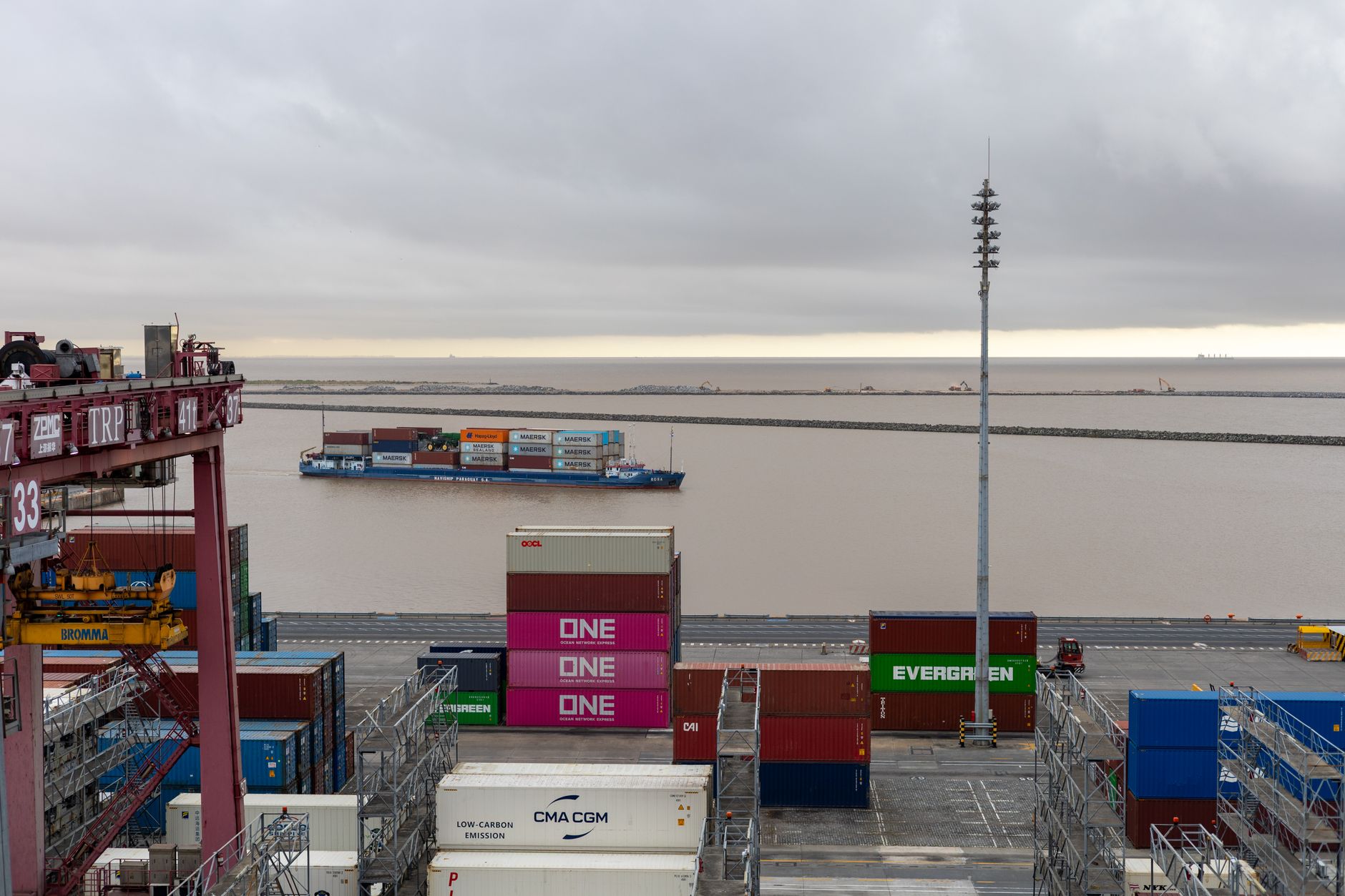
Most Brazilian frozen meat leaves through a small group of southern container terminals, above all Paranaguá, Itapoá, Navegantes and Itajaí in Paraná and Santa Catarina, with Santos carrying a large share of beef and Rio Grande and northern ports such as Pecém and Vila do Conde serving specific corridors. Which port your cargo sails from is decided mainly by where the processing plant sits, and it affects transit time, reefer plug availability and how exposed your shipment is to congestion.
Buyers rarely think about the load port until something goes wrong. A vessel omits a call, a terminal runs short of reefer connections during peak season, or a container sits three extra days waiting for a slot. Understanding the geography of Brazilian meat exports lets an importer ask better questions before the contract is signed, and it explains why two suppliers quoting the same product can offer very different delivery dates.
Why the south dominates frozen meat exports
Brazil's poultry and pork industries are concentrated in the southern states of Paraná, Santa Catarina and Rio Grande do Sul. Grain supply, integrated farming systems, processing plants and export terminals all sit within a short inland haul of each other. That clustering is the reason the southern ports handle the overwhelming majority of frozen poultry and pork leaving the country, and it is documented by industry bodies including the Brazilian Animal Protein Association.
Beef follows a different map. Cattle production is spread far more widely across the centre-west and north, so beef moves through a broader set of outlets, with Santos historically carrying the largest single share and northern ports serving plants in Pará and the surrounding region. The Brazilian Beef Exporters Association tracks this distribution across the sector.
The main frozen meat gateways
| Port or terminal | State | Strongest for | Typical destinations served |
|---|---|---|---|
| Paranaguá (TCP) | Paraná | Frozen poultry, the single largest chicken gateway | Middle East, Asia, Africa, Europe |
| Itapoá | Santa Catarina | Poultry and pork | Asia, Middle East, Europe |
| Navegantes (Portonave) | Santa Catarina | Pork and poultry | Asia, Latin America, Europe |
| Itajaí | Santa Catarina | Frozen products generally | Asia, Europe, Middle East |
| Santos | São Paulo | Beef, plus broad reefer coverage | Global, widest service network |
| Rio Grande | Rio Grande do Sul | Beef and poultry from the far south | Asia, Middle East, Africa |
| Pecém and Vila do Conde | Ceará and Pará | Beef and regional protein | Europe, North Africa, North America |
Terminal capacity, not just port size, determines whether a reefer booking is easy or tight. Paranaguá's container terminal operates the largest reefer yard in South America, with more than five thousand refrigerated plugs, and Portonave and Itapoá have both been expanding their refrigerated capacity in response to rising protein volumes. A plug is simply a powered socket that keeps a container running while it waits for its vessel. When a terminal runs out of them during a peak week, containers either wait on generator sets or wait somewhere else, and both cost time.
Indicative transit times
Transit times vary by carrier, by service string and by how many transhipment calls sit between origin and destination. The figures below are indicative planning ranges, not quotations, and a direct service will always beat a routing that transships through a hub.
| Destination region | Example discharge port | Indicative port-to-port transit |
|---|---|---|
| West Africa | Lagos, Tema, Luanda | Roughly 2 to 3 weeks |
| Southern Africa | Durban, Cape Town | Roughly 2 to 4 weeks |
| Middle East | Jebel Ali, Dammam, Jeddah | Roughly 4 to 5 weeks |
| North Europe and Mediterranean | Rotterdam, Algeciras | Roughly 2 to 4 weeks |
| East and Southeast Asia | Shanghai, Hong Kong, Manila | Roughly 5 to 7 weeks |
| North America | Houston, New York | Roughly 2 to 4 weeks |
Two practical points follow from this. First, the sailing is only part of the timeline. Add the inland move from plant to port, the terminal cut-off and gate-in window, documentary processing, and clearance and cold store transfer at destination. A five-week sailing can easily become an eight-week door-to-door cycle. Second, longer transits raise the value of getting the reefer settings right the first time, because there is no opportunity to correct a mistake mid-ocean. Our explainer on reefer container temperatures for frozen meat covers what to specify before the doors are sealed.
What the load port changes for a buyer
- Sailing frequency. A port with weekly direct calls to your region is worth more than a port with a marginally shorter nominal transit but only a fortnightly service.
- Transhipment exposure. Every transhipment is an extra handling event, an extra plug-out and plug-in, and an extra chance of a rolled container.
- Seasonal congestion. Brazilian ports share capacity with the grain and sugar harvests. Peak agricultural seasons can lengthen truck queues and tighten vessel windows.
- Documentary timing. The veterinary certificate and the bill of lading must line up with the actual sailing. A last-minute port or vessel change means documents have to be reissued, which delays clearance at destination.
- Incoterm consequences. Under FOB the buyer carries the ocean leg and the routing risk. Under CIF or CFR the exporter arranges it. See our note on FOB and CIF pricing for Brazilian poultry for how this shifts cost and responsibility.
Questions worth asking your exporter
- Which port will this consignment load from, and which terminal within it?
- Is the service direct to my discharge port, or does it transship, and where?
- What is the realistic gate-in to sailing gap at this time of year?
- What is the latest date the plant can produce against this shipment window?
- If the vessel rolls, will the container remain plugged in at the terminal?
An exporter who answers these precisely is one who controls their own logistics. An exporter who cannot name the terminal is quoting someone else's schedule. For the wider picture of how the chain holds together from plant to destination cold store, read our complete guide to cold-chain logistics for frozen food exports.
How Brazil Prime Foods routes shipments
Brazil Prime Foods Export ships frozen chicken, frozen beef and frozen pork from federally inspected establishments, and we select the load port based on the producing plant and the fastest reliable service to the buyer's market rather than on convenience. Every consignment is booked against a named terminal, with the sailing schedule, the setpoint and the documentary timeline confirmed in writing before production is released. Establishment approval and inspection status can be checked through the framework explained in our article on SIF certification, and our certifications page lists the standards our partner plants operate under.
If you are planning a shipment and want a routing and transit estimate for your specific destination, request a quote or contact our export team. Country-specific requirements are covered in our guides for the UAE, China and Angola.
Frequently asked questions
- Which Brazilian port exports the most frozen chicken?
- Paranagua in the state of Parana is the largest single gateway for Brazilian frozen poultry, handling close to half of the country's chicken export volume in recent periods. Its container terminal operates the largest refrigerated container yard in South America, with more than five thousand reefer plugs, which is why it concentrates so much protein volume.
- Why do most Brazilian meat exports leave from the south?
- Poultry and pork production is concentrated in Parana, Santa Catarina and Rio Grande do Sul, where grain supply, integrated farming and processing plants sit within a short inland haul of the export terminals. Beef is more geographically spread, so it moves through a wider set of ports including Santos and northern outlets such as Vila do Conde.
- How long does frozen meat take to ship from Brazil?
- As an indicative planning range, West Africa is roughly two to three weeks, Europe and North America roughly two to four weeks, the Middle East roughly four to five weeks and East Asia roughly five to seven weeks port to port. Actual transit depends on the carrier, the service string and whether the routing includes a transhipment call.
- What is a reefer plug and why does it matter?
- A reefer plug is a powered socket at a terminal that keeps a refrigerated container running while it waits for its vessel. When a terminal runs short of plugs during a peak week, containers must either run on generator sets or wait elsewhere, both of which add cost and delay to a frozen shipment.
- Does the load port affect my delivery date?
- Yes. Sailing frequency, whether the service is direct or transships, and seasonal congestion at the terminal can all move a delivery date by a week or more. A port with weekly direct calls to your region is usually more reliable than one with a slightly shorter nominal transit but a fortnightly service.
- Who chooses the port under FOB and CIF terms?
- Under FOB the buyer arranges and pays for the ocean leg, so the buyer or their forwarder effectively controls the routing and carries the risk of delay at sea. Under CIF or CFR the exporter books the shipment and selects the service, though the named port of loading should still be agreed in the contract.
References & further reading
Explore our export catalogue
Brazil Prime Foods Export ships SIF-certified product to wholesalers, distributors and foodservice operators worldwide.
Request support
Our export team replies within one business day, pricing, specs, documentation or shipping.
Request a QuoteContact us
Direct line to our trade desk in Brazil, calls, WhatsApp and email.
Contact our team