The short answer
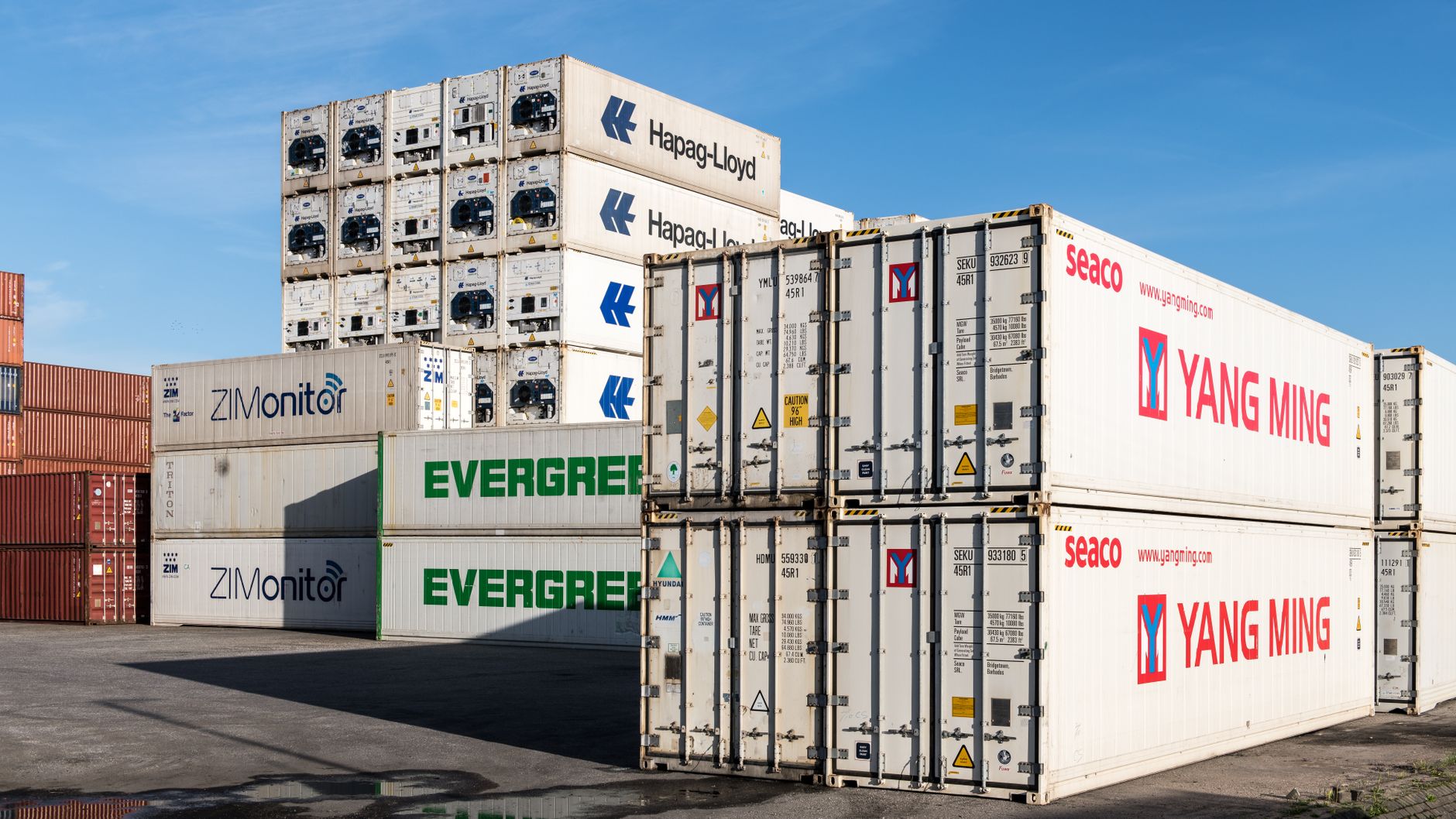
Frozen meat from Brazil is carried at a reefer setpoint of minus 18 degrees Celsius or colder, with the container running in frozen mode, the fresh air vent fully closed, and the unit controlling on return air rather than supply air. Everything else in this article explains why that combination matters and what goes wrong when one part of it is missed.
Most temperature claims on frozen meat shipments are not caused by a broken refrigeration unit. They are caused by cargo that was loaded warm, a vent that was left open, a stow that blocked airflow, or a setpoint that was correct on paper but never verified before the doors were sealed. Understanding the mechanics gives an importer real leverage during negotiation and real protection at discharge.
Why minus 18 degrees is the reference point
Minus 18 degrees Celsius, roughly zero degrees Fahrenheit, is the internationally accepted benchmark for frozen storage and transport of meat. At that temperature the water inside muscle tissue is effectively immobilised, microbial growth stops, and the enzymatic and oxidative reactions that degrade colour, texture and flavour slow to a crawl. The figure is not arbitrary: it reflects long-standing food hygiene guidance, including the framework maintained through the FAO and WHO Codex Alimentarius, and it has been adopted into the veterinary and sanitary rules of most importing countries.
For Brazilian exports, this matters in a very practical way. The international veterinary certificate that accompanies a frozen meat consignment normally carries a statement that the product is kept at or below minus 18 degrees Celsius. That declaration is made by the official veterinarian of the Ministry of Agriculture and Livestock and it applies from the establishment onward. If the reefer is set warmer than the certificate says, the paperwork and the cargo no longer agree, and that discrepancy is exactly what a border inspector looks for.
Some buyers and some destinations go colder. Setpoints of minus 20 to minus 25 degrees are common where transit is long, where the product will sit in a hot climate before it reaches cold storage, or where the buyer wants extra headroom against a short excursion. Colder is generally safe for meat, though it costs more energy and it does not repair quality that was already lost before loading.
Frozen mode and chilled mode are not the same machine behaviour
A container reefer unit behaves differently depending on whether the setpoint is above or below freezing. Buyers often assume the only difference is the number on the display. It is not.
| Aspect | Frozen mode (frozen meat) | Chilled mode (chilled beef, produce) |
|---|---|---|
| Typical setpoint | Minus 18 °C to minus 25 °C | Around minus 1 °C to plus 4 °C |
| Controlling sensor | Return air | Supply air, also called delivery air |
| Evaporator fan speed | Usually low speed | Usually high speed, continuous |
| Fresh air vent | Fully closed | Open to a specified exchange rate for respiring cargo |
| Compressor behaviour | Cycles on and off once setpoint is reached | Modulates to hold a narrow band |
| Main risk | Warm loading, vent left open, blocked airflow | Chill damage, freezing at the delivery air outlet |
The controlling sensor point is the one that confuses buyers most often. In frozen mode the unit reads the air coming back from the cargo, because a solid frozen block has enormous thermal mass and does not need the tight second-by-second control that living produce does. In chilled mode the unit reads the air being delivered into the stack, because a couple of degrees of drift can freeze the cartons nearest the outlet. If you are comparing a frozen shipment against a chilled one, see our overview of chilled versus frozen beef export.
The setpoint is not the cargo temperature
This is the single most important operational point in frozen meat shipping. A container reefer unit is designed to hold a temperature, not to bring cargo down to it. The refrigeration capacity of a standard 40-foot high cube reefer is sized for maintenance, not for pull-down of a warm load.
Product must already be at or below the target temperature at the moment it is stuffed. In a compliant Brazilian plant, meat is blast frozen and held in the establishment's own cold store until the thermal centre of the product reaches the required temperature, and only then is it loaded. If warm or partially frozen product goes into the box, three things happen. The pull-down takes days rather than hours, the surface of the product suffers repeated freeze and thaw, and the unit records a long period above setpoint that a surveyor will find in the data.
Ask your supplier for the loading temperature, not just the setpoint. A responsible exporter records the product temperature at stuffing and can produce it. Our guidance on shelf life and storage for Brazilian frozen chicken covers what happens to quality when this discipline slips.
Airflow, stowage and the T-bar floor
Reefer containers use bottom air delivery. Cold air leaves the evaporator, travels forward under the cargo through the channels in the T-bar aluminium floor, rises through and around the stack, and returns to the unit across the top. That circuit only works if it is not obstructed.
- Cartons must not block the T-bar channels. Loose product, pallet wrap or dunnage lying flat on the floor will short-circuit the airflow.
- The stack must stay below the red load line. Cargo stowed above it blocks the return air path and starves the back of the container.
- Frozen cargo is block stowed tight against itself so the mass behaves as one thermal unit, unlike chilled produce, which needs air gaps for respiration.
- The rear doors need a small clearance so return air can reach the unit rather than being trapped behind a solid wall of cartons.
Packaging supports all of this. Cartons that collapse under load in a humid, sub-zero environment will slump and close off airflow channels. See our notes on frozen pork packaging and cold chain handling for how carton specification and stowage interact.
Vents, defrost and humidity
The fresh air vent exists to exchange air with the outside and bleed off carbon dioxide and ethylene produced by respiring cargo. Frozen meat does not respire. For a frozen load the vent is closed, without exception. Leaving it open pulls warm, humid outside air into the box, which condenses and freezes on the evaporator coil, restricts airflow, and forces the unit into repeated defrost cycles that drive the return air temperature upward.
Defrost cycles are normal and expected. A short, sharp rise in the recorded temperature during a defrost is not a temperature excursion and should not be treated as one. What matters is whether the cargo probe, or the recorded return air, returned promptly to setpoint and whether the deviation ever reached a level that could affect product. A reviewer who does not understand defrost will read a healthy chart as a failure.
Monitoring and what to ask for
Every modern container reefer unit logs supply air, return air, setpoint changes, defrost events, power interruptions and, where fitted, the readings from cargo probes inserted into the product itself. That data can be downloaded at discharge.
A buyer protecting a frozen meat consignment should specify, in the purchase contract, the following:
- The exact setpoint in degrees Celsius, and that the container is to run in frozen mode with vents closed.
- The maximum product temperature permitted at the point of stuffing, with a record to be provided.
- Whether an independent data logger is to be placed inside the container in addition to the unit's own log.
- Who pays for and who downloads the reefer data at destination, and within how many days.
- The tolerance that will be treated as an excursion, so that a routine defrost spike is not disputed as a claim.
These points cost nothing to agree in advance and they remove most of the argument that arises when a container arrives with an imperfect chart. If you want the wider context on how the whole chain fits together, read our complete guide to cold-chain logistics for frozen food exports, and for the equipment itself, our explainer on what a reefer container is.
How Brazil Prime Foods handles temperature control
Brazil Prime Foods Export ships frozen chicken, frozen beef and frozen pork exclusively from federally inspected establishments, where product is blast frozen and held to specification before stuffing. Containers are set, verified and sealed against the temperature declared on the veterinary certificate, and the setpoint is confirmed in writing before departure. Brazil is one of the largest meat exporting nations in the world, and the discipline behind that position is documented by industry bodies such as the Brazilian Animal Protein Association.
If you are specifying a frozen shipment and want the temperature terms written correctly into the contract, request a quote or contact our export team. You can also review our certifications to see which standards our supply partners operate under.
Frequently asked questions
- What temperature should a reefer container be set to for frozen meat?
- Minus 18 degrees Celsius or colder is the standard setting for frozen meat. Setpoints of minus 20 to minus 25 degrees are also used where transit is long, where ambient temperatures at destination are high, or where the buyer wants extra margin against a short excursion. The setpoint should match the temperature declared on the international veterinary certificate.
- Can a reefer container freeze cargo that is loaded warm?
- No. A container refrigeration unit is designed to maintain a temperature, not to bring a warm load down to it. Product must already be at or below the target temperature when it is stuffed. Loading warm or partially frozen meat causes an extended pull-down, surface quality damage, and a long recorded period above setpoint that will show up in the unit's data log.
- Why does a frozen reefer control on return air instead of supply air?
- Frozen cargo has a very large thermal mass and does not need the tight second-by-second control that chilled produce requires, so the unit reads the air returning from the cargo. Chilled cargo is controlled on supply air because a small amount of drift at the delivery outlet can freeze the cartons nearest to it.
- Should the fresh air vent be open or closed for frozen meat?
- Fully closed. The vent exists to exchange air and bleed off carbon dioxide and ethylene from respiring cargo such as fruit and vegetables. Frozen meat does not respire. An open vent draws warm humid air into the container, which freezes onto the evaporator coil, restricts airflow and triggers repeated defrost cycles.
- Is a temperature spike during transit always a problem?
- Not necessarily. Reefer units run scheduled defrost cycles, and a short, sharp rise in the recorded temperature during a defrost is normal. What matters is whether the reading returned promptly to setpoint and whether the deviation was large enough or long enough to affect the product. Agreeing an excursion tolerance in the contract prevents routine defrost spikes from being disputed as claims.
- What temperature records should an importer ask for?
- Ask for the product temperature recorded at the point of stuffing, the setpoint confirmation before the container was sealed, and the reefer unit's downloaded data log covering supply air, return air, setpoint changes, defrost events and power interruptions. An independent data logger placed inside the container gives an additional, separate record.
References & further reading
Explore our export catalogue
Brazil Prime Foods Export ships SIF-certified product to wholesalers, distributors and foodservice operators worldwide.
Request support
Our export team replies within one business day, pricing, specs, documentation or shipping.
Request a QuoteContact us
Direct line to our trade desk in Brazil, calls, WhatsApp and email.
Contact our team