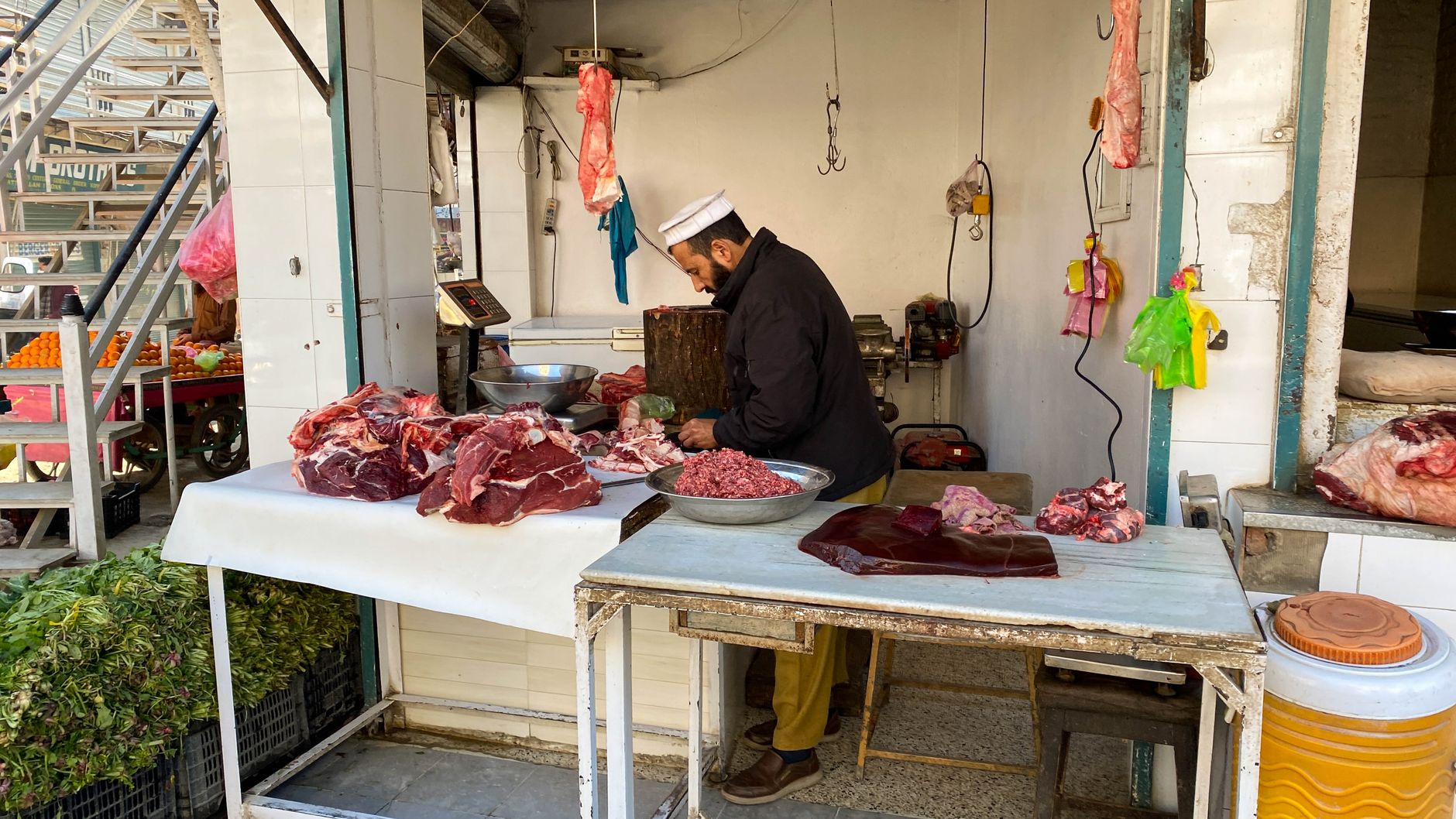
To import halal frozen meat into the United Arab Emirates, the product must come from a slaughterhouse approved by the Ministry of Climate Change and Environment (MOCCAE), carry a halal certificate from a certification body recognised by the Ministry of Industry and Advanced Technology (MOIAT), and clear customs against a valid MOCCAE import permit.
The UAE is one of the world's largest per-capita importers of meat, and it relies heavily on foreign supply to feed a population that is majority expatriate and heavily concentrated in Dubai and Abu Dhabi. For frozen chicken and beef, Brazil is a central source. Brazilian plants have supplied the Gulf halal market for decades, and the UAE remains a priority destination for exporters of frozen chicken and frozen beef. This guide explains, in plain terms, what an importer or distributor in the UAE needs from a Brazilian supplier to bring a shipment in cleanly.
Who regulates halal meat imports in the UAE
Two federal authorities matter most for frozen meat. Understanding the split between them prevents most delays.
- MOCCAE (Ministry of Climate Change and Environment) handles the animal and food-safety side: it accredits overseas slaughterhouses, issues import permits, and sets veterinary health conditions for meat, poultry and animal products entering the country.
- MOIAT (Ministry of Industry and Advanced Technology) owns the halal system: it publishes the UAE halal standards, registers the halal certification bodies whose certificates the UAE will accept, and administers the UAE Halal National Mark. MOIAT was formed in 2020 and absorbed the former Emirates Authority for Standardization and Metrology (ESMA).
Emirate-level food authorities, such as Dubai Municipality and Abu Dhabi Agriculture and Food Safety Authority (ADAFSA), inspect at the point of entry and enforce labelling, but the framework that governs whether a Brazilian plant can ship at all is federal.
The halal standards that apply
The UAE aligns with the GSO (Gulf) halal framework. Two references are worth naming:
- UAE.S GSO 2055-1 sets the general requirements for halal food, covering the whole supply chain from slaughter through processing, storage and transport.
- GSO 993 defines the permitted method of animal slaughter under Islamic rites, including the requirement that the animal is alive and healthy at slaughter and that the act is performed by a Muslim slaughterman.
For a Brazilian exporter, meeting these standards is not a paperwork exercise added at the port. It is built into the plant: dedicated halal production runs, trained Muslim slaughtermen, segregation from non-halal lines, and an approved certifier auditing the process. This is the same discipline covered in our guides to halal frozen chicken certification and halal frozen beef certification.
What the Brazilian plant and product must have
Before a UAE buyer places an order, it is worth confirming the supplier can meet each of the following.
1. An SIF plant approved for the UAE
Every Brazilian export slaughterhouse operates under the federal inspection service, SIF, administered by the Ministry of Agriculture and Livestock (MAPA). Beyond that baseline, the specific plant must appear on the MOCCAE list of establishments approved to export meat to the UAE. If a plant is not on that list, its product cannot enter, regardless of how good the halal paperwork is. Our explainer on SIF certification covers how this inspection system works.
2. A recognised halal certificate
The halal certificate accompanying the shipment must be issued by a certification body that MOIAT recognises for the UAE. Brazil hosts several long-established Islamic certifiers that hold Gulf recognition and audit the major poultry and beef exporters. The certificate confirms the slaughter method, the plant, the product and the production dates.
3. Correct veterinary and origin documents
Alongside the halal certificate, a frozen meat shipment typically travels with a veterinary health certificate issued by MAPA, a certificate of origin, and commercial documents (invoice and packing list). UAE conditions generally require detail such as the animal type, slaughter date and confirmation of ante-mortem inspection by a licensed veterinarian.
| Requirement | Issued or held by | Purpose |
|---|---|---|
| Plant on MOCCAE approved list | MOCCAE (UAE) | Permission for that plant to export |
| Halal certificate | MOIAT-recognised certifier (Brazil) | Proof of Islamic slaughter and halal integrity |
| Veterinary health certificate | MAPA / SIF (Brazil) | Animal health and food-safety attestation |
| Import permit | MOCCAE (UAE importer) | Authorises the specific shipment |
| Certificate of origin | Brazilian trade body | Confirms Brazilian origin |
The import steps on the UAE side
The importer of record in the UAE carries responsibilities that a supplier cannot complete on their behalf.
- Secure a valid trade licence that permits food or meat trading in the relevant emirate.
- Apply for an import permit through the MOCCAE electronic platform before the goods ship. The permit is issued per shipment and is time-limited, so timing it to the sailing schedule matters.
- Register the product and label with the local food authority where required, ensuring the halal declaration, ingredients, production and expiry dates and country of origin appear in line with UAE rules.
- Clear customs at the port of entry, most commonly Jebel Ali in Dubai, where documents are checked and the cold chain is inspected.
Practical tip: agree with your Brazilian supplier, in writing, which documents they will provide and in what form before the container is booked. A missing or mismatched halal certificate is a possible cause of a frozen meat shipment being held at Jebel Ali.
Why buyers source halal meat from Brazil
Brazil combines scale, price competitiveness and a mature halal export system. Its poultry and beef industries are export-oriented, its plants routinely run dedicated halal production for Gulf and wider Middle East customers, and Brazilian suppliers understand the documentation Gulf importers need. Industry bodies such as the Brazilian Animal Protein Association (ABPA) track this trade, and the Gulf consistently ranks among the top regional destinations for Brazilian chicken. For a buyer, that maturity translates into fewer surprises: consistent specification, reliable cold-chain handling and halal integrity that stands up to audit. The UAE's own halal framework, published by MOIAT, is designed to verify exactly that.
If you are also weighing a broader entry strategy for the region, our guide to importing Brazilian chicken into the UAE and our halal meat export guide for Saudi Arabia give useful context for a Gulf distribution plan.
Sourcing halal frozen meat for the UAE
Brazil Prime Foods Export supplies halal frozen chicken and beef from SIF-approved plants to importers, distributors and foodservice buyers across the Gulf. If you are planning shipments to the UAE, request a quote with your product, volume and target port, or contact our export team to confirm plant approvals and documentation. You can also review our certifications for details on the standards our supply meets.
How the Emirates regulate imported halal meat
Two control layers apply in parallel. The federal and emirate-level food authorities control sanitary approval of the exporting establishment, product registration and border inspection, while halal conformity rests on certification by a body recognised for the Emirates through Gulf accreditation. In practice a compliant consignment therefore needs a listed establishment, a recognised certifier, a consignment halal certificate that matches the cargo, and labelling that satisfies the local food authority. None of these substitutes for another.
Documents and their sequence
| Stage | Document or action |
|---|---|
| Before order | Confirm establishment listing and certifier recognition for the Emirates. |
| Before production | Label artwork approved, including Arabic text and date format. |
| At shipment | Health certificate, halal certificate, invoice, packing list, bill of lading, certificate of origin. |
| Before arrival | Copies filed by the broker, inspection appointment where required. |
| At clearance | Originals presented, physical and document inspection, sampling if selected. |
Segregation and integrity in the local supply chain
Halal assurance is expected to hold after clearance as well. Distributors serving hotels, retail chains and government-linked catering are routinely asked to demonstrate that halal product is stored and handled without cross-contact with non-halal items, that lot-level records tie stock back to a halal certificate, and that staff handling the product understand the requirement. Set up your cold store and records for that expectation from the first shipment rather than retrofitting them when a customer audit is announced.
Practical guidance for new importers
Begin with one product from one approved establishment, keep the document set identical across the first several shipments, and record every clearance timeline so you learn the real cadence of your port and broker. Ask your exporter for a document set from a previous Emirates shipment as a template, and have your broker mark it up before you order. For product selection and landed-cost mechanics see our UAE frozen chicken import guide, and for the underlying inspection approval see what SIF certification means.
Re-export and onward distribution
If you plan to move part of a consignment onward from the Emirates into neighbouring markets, confirm before shipment that the certifier is also recognised in the onward destination and that the establishment is listed there. Document scope cannot usually be widened after arrival, so onward trade has to be designed into the original paperwork rather than added to it.
Confirm status before every loading
Establishment listings and certifier recognition can change between shipments. Ask for written confirmation of both shortly before each loading rather than relying on the approval that was valid when the programme started.
Frequently asked questions
- Does frozen meat need a halal certificate for every shipment to the UAE?
- Yes. Each consignment of meat or poultry must be accompanied by a halal certificate from a certification body recognised by the UAE, issued for that product and production period, in addition to the veterinary health certificate.
- Which UAE authority issues the import permit?
- The Ministry of Climate Change and Environment (MOCCAE) issues import permits for meat, poultry and animal products through its online platform. The permit is obtained by the UAE importer before the shipment arrives and is valid for a limited window.
- What is the UAE Halal National Mark?
- It is a national conformity mark administered by MOIAT that signals a product's halal supply chain has been verified against UAE standards. It supports, rather than replaces, the plant-level halal certificate that travels with a shipment.
- Must the Brazilian plant be individually approved?
- Yes. The specific slaughterhouse must appear on the MOCCAE list of establishments approved to export to the UAE. Being an SIF-registered Brazilian export plant is necessary but not sufficient on its own.
- Which port do most frozen meat shipments enter through?
- Jebel Ali in Dubai is the primary gateway for containerised frozen meat, though other UAE ports also handle food cargo. Cold-chain integrity is inspected on arrival.
- Can one supplier provide both halal chicken and halal beef?
- Often yes. Many Brazilian exporters handle both poultry and beef under halal programmes. You can request a combined quote for frozen chicken and frozen beef to consolidate sourcing.
References & further reading
Explore our export catalogue
Brazil Prime Foods Export coordinates frozen-meat sourcing and export for wholesale buyers in eligible markets. Confirm the supplying plant and documentation for your order.
Request support
Ask our export team about pricing, specifications, documentation or shipping for your order.
Request a QuoteContact us
Direct line to our trade desk in Brazil, calls, WhatsApp and email.
Contact our team