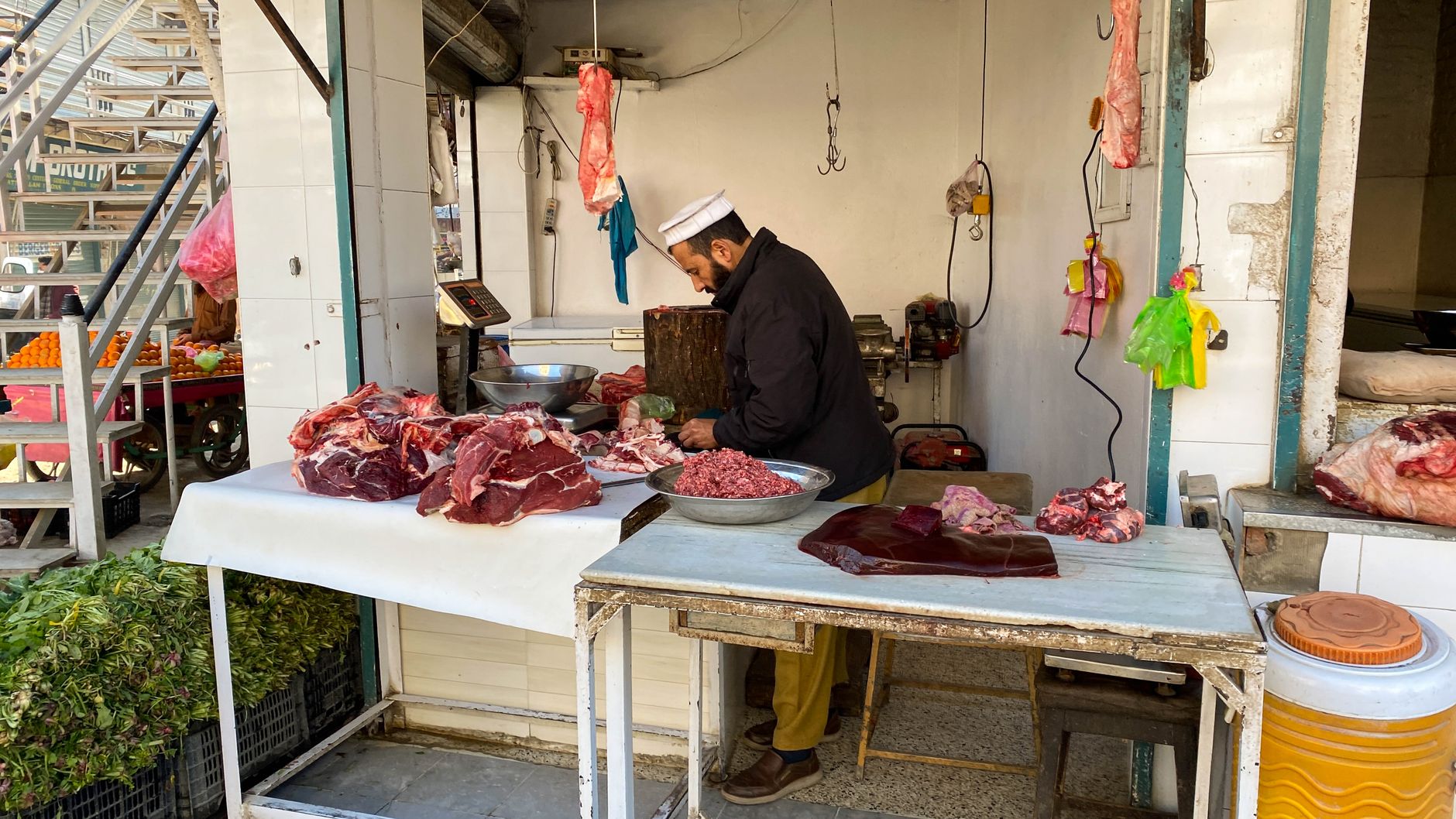
Brazilian frozen beef is certified halal through two separate but linked layers: mandatory government food-safety inspection under the SIF system, plus a religious halal certification issued by a recognised Brazilian halal body and accepted by the importing country. For buyers in the Gulf, North Africa and Southeast Asia, understanding how these two layers work together is the difference between a shipment that clears customs cleanly and one that is held at the port. This guide explains who certifies halal beef in Brazil, how plants are approved for specific markets, and which documents must accompany every container.
The two layers: SIF and halal
Every plant that exports animal products from Brazil must first hold approval from the Federal Inspection Service, known by its Portuguese initials SIF and administered by the Ministry of Agriculture and Livestock (MAPA). SIF covers hygiene, traceability, veterinary oversight and export eligibility. It is the baseline that makes any export possible, halal or not. If you are new to it, our explainer on what SIF certification means breaks it down.
Halal certification sits on top of SIF. It is a religious assurance that the animal was slaughtered and the product handled in accordance with Islamic law, verified by a halal certification body rather than by the government. In practice the two systems run side by side inside the same plant: government veterinarians confirm food safety, while halal auditors confirm ritual compliance. A product is only genuinely halal for export when both layers are in place.
Who certifies halal beef in Brazil
Brazil has long served Muslim-majority markets and hosts several established halal certifiers whose certificates are recognised by importing authorities. The most widely accepted names include FAMBRAS Halal, CDIAL Halal and SIILHalal. These bodies audit against international halal standards, including the Gulf standard GSO 2055 used across the GCC, and against the requirements of other importing regions such as Malaysia and Indonesia.
Each certifier deploys two kinds of auditor. Religious auditors confirm that slaughter is carried out by Muslim slaughtermen, that the correct invocation is made, and that stunning, where used, meets the reversible standards accepted by the destination. Technical auditors confirm there is no cross-contamination with non-halal material, that cleaning and storage are segregated, and that traceability holds from receiving through to the finished carton. Certification is not a one-off event: plants are re-audited and certificates are renewed on a defined cycle.
Plant approvals for specific markets
A common misunderstanding is that a single halal certificate opens every market. It does not. Beyond holding SIF and a halal certificate, an individual plant usually has to be approved or listed by the destination country's own authority before its product is accepted.
Saudi Arabia is the clearest example. The Saudi Food and Drug Authority operates a halal certification scheme under which meat shipments require both a halal certificate for the manufacturer and a separate halal certificate issued per shipment by an approved certification body. The United Arab Emirates requires certification aligned with GSO 2055 and administered through its national conformity and standards framework. Other markets, from Egypt to China, maintain their own approved-establishment lists that plants must appear on.
The practical rule for buyers: confirm that the specific plant supplying your beef is approved for your destination, not simply that Brazil exports there. Ask for the plant's SIF number and check it against your authority's approved list.
Documents that travel with every shipment
Halal frozen beef moves with a document set that ties the physical goods to their certifications. A typical export consignment carries the following.
| Document | Purpose |
|---|---|
| Halal certificate | Confirms halal compliance, issued by a recognised certifier; some markets also require a per-shipment halal certificate |
| Veterinary health certificate | Government SIF document confirming food safety and export eligibility |
| Certificate of origin | Confirms the goods originate in Brazil |
| Commercial invoice and packing list | Describe the goods, values and case-level packing |
| Bill of lading | Contract of carriage and title for the ocean shipment |
Labels matter as much as certificates. Cartons and retail packs should carry the halal mark, the SIF plant number and clear product identification, and the details on the label must match the certificates and the container. Mismatches between the halal certificate, the health certificate and the physical labels are among the most common reasons a halal consignment is questioned at the port.
How halal beef differs from halal chicken in practice
The certification framework is the same for both, but beef adds a few specifics. Carcass segregation is more visible, because premium and manufacturing cuts are prepared on the same lines, so halal auditors pay close attention to how halal and any non-halal streams are kept apart. Documentation also tends to be scrutinised more heavily for red meat in Gulf markets. If you also source poultry, our guide to halal frozen chicken certification covers the poultry side of the same system.
What buyers should ask for
Before you place an order for halal frozen beef, request four things in writing: the plant's SIF number, the name of the halal certifier and a copy of a current certificate, confirmation that the plant is approved for your specific destination, and a sample of the label artwork. A supplier that can produce these quickly is a supplier that ships halal beef regularly. For an end-to-end view of sourcing, pricing and logistics, see our complete guide to importing Brazilian frozen beef, and for cut selection our reference on Brazilian beef cuts.
Brazil's scale as a beef exporter, documented by the Brazilian Beef Exporters Association ABIEC, means halal-certified supply is available across the full range of cuts. Destination rules do change, so buyers should always confirm current requirements with the importing authority, for example the Saudi Food and Drug Authority for Saudi shipments.
Talk to us about halal beef supply
Brazil Prime Foods Export supplies SIF-approved, halal-certified frozen beef to importers, wholesalers and foodservice buyers worldwide. Explore our frozen beef range, review our certifications, and request a quote with your destination and cut requirements so we can match you to an approved plant.
How beef differs from poultry in halal practice
The religious requirement is the same, but the operational detail differs. Cattle are slaughtered individually rather than on a continuous shackle line, which means the halal supervisor observes each animal and the plant's records are built per animal and per lot rather than per flock. Stunning practice is the main technical variable: many certifiers accept reversible non-penetrative stunning under audited conditions, while some markets and private buyers require dedicated non-stun runs with separate documentation. Because beef plants also handle a wide cut range, certificate scope has to cover the specific cuts and any further-processed items you are buying, not merely the establishment.
Traceability from animal to carton
Brazilian export beef plants operate individual animal identification and lot records that tie a carton back to a slaughter date and production run. For halal cargo, that record set is what lets a certifier confirm the specific lot was produced under religious supervision. Practical consequence for buyers: insist that carton markings show establishment code, production date and lot, and capture those at goods-in so a customer or authority query can be answered from your own file.
Certificate checks before you release payment
| Check | Why it matters |
|---|---|
| Certifier recognised in destination on the issue date | Recognition changes; reputation is not recognition. |
| Establishment listed for beef in the destination | Federal registration alone does not grant market access. |
| Cut descriptions match invoice and cartons | Scope mismatch is a leading rejection cause. |
| Slaughter or production dates inside the certified window | Dates outside the window void the certificate for that cargo. |
| Consignee and destination named correctly | Some markets reject open or to-order certificates. |
| Original seal or verifiable digital signature | Copies alone are rarely accepted at clearance. |
Specification and cold chain, alongside compliance
Write the commercial parameters into the contract with the same care as the compliance file: trim standard and maximum fat cover, piece weight band per cut with tolerance, vacuum film specification and acceptable leaker rate, chemical lean where trimmings are involved, carton net weight and pallet pattern, core temperature at loading, container set point, and minimum remaining shelf life on arrival. Require the pre-cooling record and voyage data logger download, since halal integrity and cold-chain integrity are audited together by serious buyers.
A workable first-order sequence
Confirm establishment listing and certifier recognition, agree specification and label artwork, secure any import permit, contract one or two cuts from a single plant, use documentary payment terms releasing funds against compliant documents, and consider an independent pre-shipment inspection. Repeat the same plant and specification for several shipments before widening scope. Related reading: frozen beef import guide, beef export health certificates and halal certification bodies in the GCC.
Keep the evidence file
Retain the halal certificate, health certificate, invoice, packing list, carton photographs and voyage temperature record per lot for the full shelf life plus a margin. Institutional and retail customers ask for halal evidence at lot level, and a distributor who can produce it the same day keeps the account.
Frequently asked questions
- Is all Brazilian frozen beef halal?
- No. Beef is only halal when it is produced under a recognised halal certification in addition to the mandatory SIF food-safety inspection. Always confirm the halal certificate and the certifying body for the specific plant supplying your order.
- Which halal certifiers are recognised for Brazilian beef?
- Widely accepted Brazilian certifiers include FAMBRAS Halal, CDIAL Halal and SIILHalal. They audit against international halal standards such as the Gulf GSO 2055 and are recognised by many importing authorities.
- What is the difference between SIF and halal certification?
- SIF is the Brazilian government food-safety and export approval administered by MAPA. Halal certification is a separate religious assurance issued by a halal body. Both are required for compliant halal beef exports.
- Does a halal certificate cover every country?
- Not automatically. Many markets, including Saudi Arabia and the UAE, require the specific plant to be approved or listed by their own authority and may require a per-shipment halal certificate. Confirm plant approval for your destination.
- What documents come with a halal beef shipment?
- Typically a halal certificate, a veterinary health certificate under SIF, a certificate of origin, the commercial invoice and packing list, and the bill of lading, with halal marks and the SIF number on the labels.
- How can I verify a plant is genuinely approved?
- Ask for the plant's SIF number and the halal certifier's current certificate, then check the plant against the importing authority's approved-establishment list for your country.
Frozen Beef from Brazil
Brazilian frozen beef for wholesale buyers, with specifications confirmed per order.
Explore frozen beefReferences & further reading
Explore our export catalogue
Brazil Prime Foods Export coordinates frozen-meat sourcing and export for wholesale buyers in eligible markets. Confirm the supplying plant and documentation for your order.
Request support
Ask our export team about pricing, specifications, documentation or shipping for your order.
Request a QuoteContact us
Direct line to our trade desk in Brazil, calls, WhatsApp and email.
Contact our team