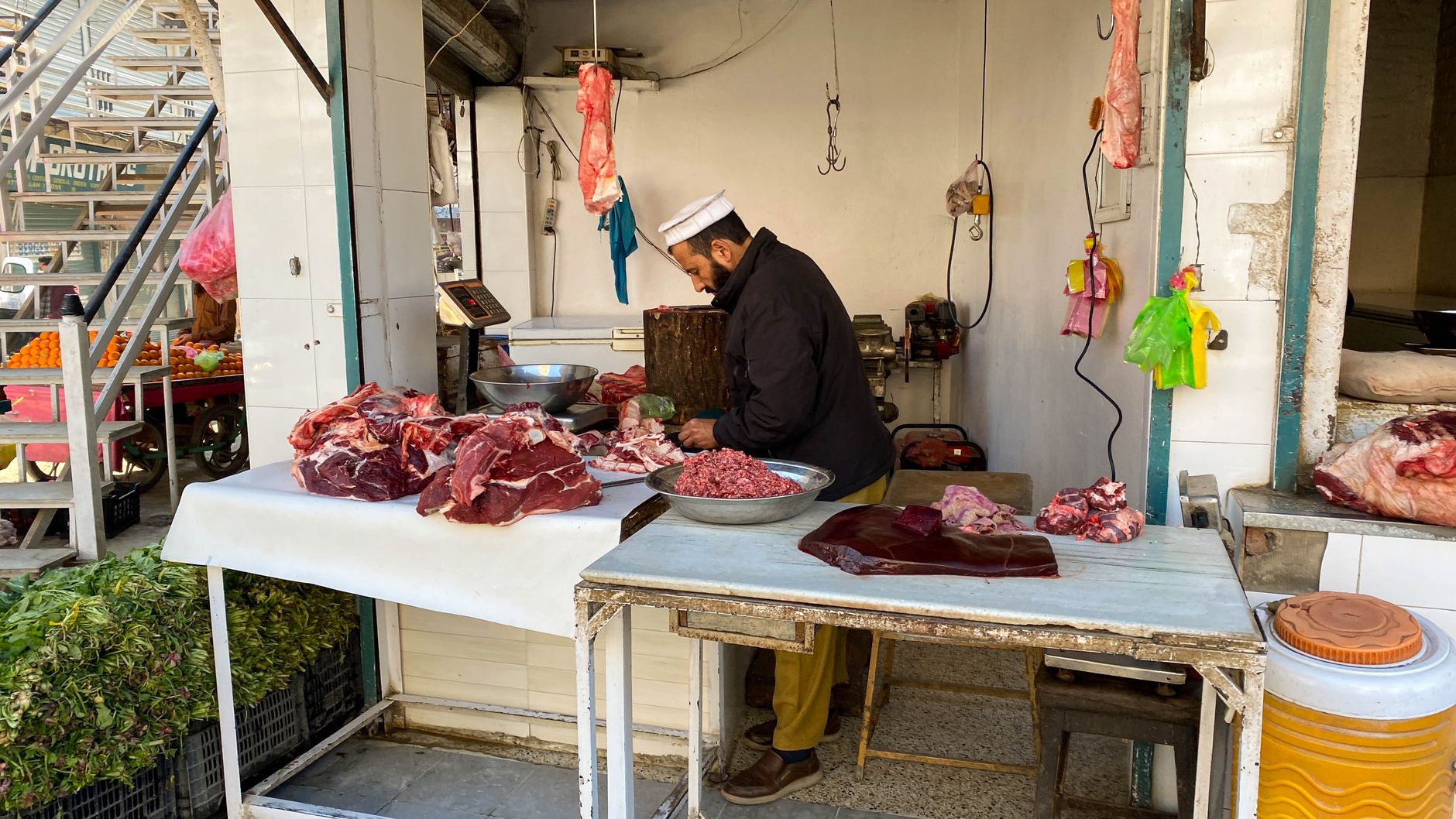
To import Brazilian halal frozen chicken or beef into Saudi Arabia, the goods must come from a plant approved for the Saudi market, carry a halal certificate issued by a body registered with the SFDA Saudi Halal Center, travel with a per-shipment halal certificate, and be registered with the Saudi Food and Drug Authority (SFDA) before arrival. Saudi Arabia is one of the largest and most demanding halal markets in the world, and Brazil is the leading global supplier of halal poultry and beef. Getting the paperwork right is what separates a smooth clearance from a costly hold at port.
This guide explains, in plain terms, how the halal import process works for buyers sourcing frozen meat from Brazil. It is written for wholesalers, distributors, importers and foodservice companies who need a reliable, repeatable path into the Kingdom.
Why Brazil supplies so much of Saudi Arabia's halal meat
Brazil is the world's largest exporter of halal meat, and Saudi Arabia is a long-standing destination for Brazilian frozen chicken and beef. Brazilian plants have built their slaughter, processing and certification systems specifically around the requirements of Muslim-majority markets, which is why so many of them hold approvals for the Gulf. For an importer, this means a deep supply base of plants that already understand halal integrity, cold chain discipline and Middle East documentation.
According to the Brazilian Animal Protein Association (ABPA), the Middle East is one of the most important regions for Brazilian poultry, and Saudi Arabia consistently ranks among the top buyers. That scale gives buyers choice on cuts, volumes and price. For background on how quotes are built, see our explainer on how Brazilian poultry pricing works.
The core Saudi halal rules you must meet
Saudi Arabia regulates halal food under standards including SFDA.FD/GSO 993 and SFDA.FD/GSO 2055-1, which govern products of animal origin and halal requirements. Since 2020, the Kingdom tightened enforcement significantly. The essential points for frozen meat are:
- Plant approval: the exporting establishment must be eligible to ship to Saudi Arabia. In Brazil, plants operate under the federal inspection service (SIF) supervised by the Ministry of Agriculture (MAPA), and must additionally be cleared for the Saudi market.
- Recognized halal certifier: the halal certificate must be issued by a Halal Certification Body registered with the SFDA's Saudi Halal Center in the country of origin. Certificates from bodies not on the SFDA list are not accepted.
- Per-shipment halal certificate: in addition to certifying the manufacturer, a halal shipment certificate must accompany each consignment for clearance at Saudi ports and borders.
- Product registration: products must be registered with the SFDA before shipment, with details such as ingredients, country of origin, shelf life, label and halal certificate.
In short: an approved plant, a recognized halal certifier, a halal certificate for every shipment, and SFDA product registration completed before the goods sail.
Documents that travel with a Saudi halal shipment
A typical frozen meat consignment from Brazil to Saudi Arabia moves with a document set that customs and the SFDA will check on arrival. The exact list varies by product and buyer, but generally includes:
| Document | Purpose |
|---|---|
| Halal slaughter certificate | Confirms slaughter met Islamic requirements, issued by an approved Islamic body |
| Halal shipment certificate | Per-consignment halal proof for port clearance under the SFDA scheme |
| Health / sanitary certificate | Issued under Brazilian federal inspection (SIF/MAPA) |
| Certificate of origin | Confirms Brazilian origin of the goods |
| Commercial invoice and packing list | Commercial and logistics detail for customs |
| Bill of lading | Ocean transport document for the reefer container |
Because requirements are updated periodically, always confirm the current list with your supplier and your clearing agent before booking. Our team can align documents to your destination when you request a quote.
Labeling requirements for frozen meat
Saudi labeling rules are specific, and mistakes here are a common cause of delays. For frozen chicken and beef, labels are generally expected to show:
- Production and expiry dates, printed clearly.
- Net weight in metric units.
- The required storage temperature or temperature range for frozen product.
- A halal statement or mark consistent with the accompanying certificates.
- Country of origin.
One detail worth flagging: for frozen product, the phrase "Keep Refrigerated" is not acceptable, because frozen goods require freezing temperatures rather than refrigeration. Labels should state the correct frozen storage condition. Arabic labeling is standard for the Saudi market, so confirm language requirements with your importer.
Chicken and beef, briefly
For poultry, Saudi buyers commonly source whole chicken, leg quarters and portions. For beef, forequarter and hindquarter cuts and trimmings are frequent lines. Halal integrity and certification apply the same way to both. You can review our product ranges for frozen chicken and frozen beef, and for the certification detail behind each, see our guides on halal frozen chicken certification and halal frozen beef certification.
How shipping and cold chain work
Frozen meat from Brazil to Saudi Arabia moves in temperature-controlled reefer containers, typically held at or below minus 18 degrees Celsius throughout the voyage. Shipments generally depart from major Brazilian ports and arrive at the Kingdom's main sea gateways on the Red Sea and Gulf coasts. Transit times vary with routing and transshipment, so build realistic lead times into your planning and confirm the discharge port with your importer of record.
An unbroken cold chain matters for both quality and compliance. Temperature excursions can compromise the product and can raise questions at inspection, so reputable exporters document loading temperature and container settings. For more on how frozen product holds up over time, see our guide on shelf life and storage of Brazilian frozen chicken.
Practical steps for a first Saudi halal order
- Confirm your Brazilian supplier's plant is approved for the Saudi market and works with an SFDA-recognized halal certifier.
- Agree product specification, cut, packaging and label language up front.
- Complete SFDA product registration before shipment through your importer.
- Lock the document set, including the per-shipment halal certificate, with your supplier and clearing agent.
- Book reefer transport with clear temperature instructions and realistic lead times.
Working with an exporter that already ships to the Gulf removes much of the risk from a first order. To start, contact our team or request a quote, and review our certifications to see how our documentation is structured.
The Saudi approval stack, in order
Access to the Kingdom is a sequence, and skipping a step invalidates the ones after it. The exporting establishment must hold federal sanitary registration in Brazil, then be listed by the Saudi food authority as approved for the specific product category, then hold live halal certification from a certifier accredited for the Saudi market. On top of that sits the consignment layer: the health certificate, the halal certificate matched to the cargo, and the importer's own registration and product notification in the Kingdom. Ask your exporter for evidence at each layer, dated, before you contract volume.
Labelling requirements that cause the most rework
| Element | Practical requirement |
|---|---|
| Language | Arabic on retail packs, commonly Arabic and English on master cartons. |
| Dates | Production and expiry dates printed, not stickered, in the accepted format. |
| Halal reference | Certifier mark or reference visible as approved for the market. |
| Origin and plant | Country of origin and establishment code legible on the carton. |
| Weights | Net weight, and glaze declaration where the product is glazed. |
| Storage | Keep frozen instruction with the storage temperature stated. |
Approve artwork with your customs broker before the plant prints, because relabelling inside the Kingdom is slow, expensive and sometimes not permitted at all.
Ports, inspection and realistic timelines
Most frozen protein enters through Jeddah on the Red Sea and Dammam on the Gulf, with Riyadh served inland by road from both. Expect document verification, physical inspection and, for a share of consignments, laboratory sampling before release. Build a working assumption of several days from arrival to release for a clean file, longer if sampling is ordered or if any document needs amendment. Because storage and detention accrue during that window, the cost of a document error is far higher than the cost of the pre-shipment check that would have prevented it.
Contracting for the Saudi market
- Name the establishment and an approved alternate in the contract.
- Set minimum remaining shelf life on arrival, not at production.
- Fix label artwork approval as a condition precedent to production.
- Use documentary payment terms that release funds against compliant documents.
- Agree who bears cost and delay if a document must be reissued or legalised.
Related reading: importing Brazilian frozen chicken into Saudi Arabia and halal certification bodies in the GCC.
Keep an audit file per lot
Kingdom-based customers, particularly hotel groups, catering contractors and organised retail, ask suppliers to produce halal and sanitary evidence at lot level long after clearance. Keep a per-shipment file containing the halal certificate, the health certificate, invoice and packing list, carton photographs showing establishment code and production date, and the voyage temperature record. Retain it for the full shelf life plus a margin so you can answer a customer or authority query the same day.
One habit that separates reliable importers
Confirm establishment listing and certifier recognition in writing shortly before every loading, not only at the start of a programme. Status changes between shipments are a possible cause of a detained container, and a one-line written confirmation from your exporter costs nothing.
Frequently asked questions
- Does every shipment to Saudi Arabia need its own halal certificate?
- Yes. Beyond certifying the manufacturer, a halal shipment certificate must accompany each consignment for clearance at Saudi ports and borders under the SFDA Halal Center scheme.
- Which halal certifiers does Saudi Arabia accept?
- Only halal certification bodies registered with the SFDA's Saudi Halal Center in the country of origin. The SFDA publishes the list of recognized bodies, and certificates from unlisted bodies are not accepted.
- Do I need to register the product before shipping?
- Yes. Products of animal origin must be registered with the SFDA before shipment, with details such as ingredients, origin, shelf life, label and halal certificate provided during registration.
- Can Brazilian plants meet Saudi halal requirements?
- Many can. Brazil is the world's largest halal meat exporter and a long-standing supplier to Saudi Arabia, so a large base of Brazilian plants is set up for Gulf halal and Saudi documentation.
- What is the correct storage temperature for frozen meat labels?
- Labels should state a frozen storage condition, generally at or below minus 18 degrees Celsius. The phrase 'Keep Refrigerated' is not acceptable for frozen product.
- How long does shipping from Brazil to Saudi Arabia take?
- Transit times vary with routing and any transshipment, so confirm the schedule and discharge port with your importer and build realistic lead times into your ordering.
References & further reading
Explore our export catalogue
Brazil Prime Foods Export coordinates frozen-meat sourcing and export for wholesale buyers in eligible markets. Confirm the supplying plant and documentation for your order.
Request support
Ask our export team about pricing, specifications, documentation or shipping for your order.
Request a QuoteContact us
Direct line to our trade desk in Brazil, calls, WhatsApp and email.
Contact our team