The short answer
To import Brazilian frozen chicken into South Africa, a buyer must hold a veterinary import permit issued by the Department of Agriculture, Land Reform and Rural Development (DALRRD) before the cargo ships, source only from a Brazilian establishment approved for the South African market, present the agreed Veterinary Health Certificate signed by a MAPA official veterinarian, and clear customs at SARS with the correct tariff classification, because frozen bone-in portions attract anti-dumping duties that boneless cuts and mechanically deboned meat do not. The permit must exist before shipment, not before arrival. That single sequencing rule causes more failed South African consignments than any other.
South Africa is one of the most important markets in the Brazilian poultry trade and by far the largest African buyer. Industry reporting from the Brazilian Association of Animal Protein (ABPA) placed South Africa fourth among all destinations for Brazilian chicken meat in 2025, at roughly 336,000 tonnes, or about 6.5 percent of total exported volume, behind only the United Arab Emirates, Japan and Saudi Arabia. It is a large, price-sensitive, high-volume market with a genuinely complicated regulatory overlay.
This guide sets out the permits, the certificates, the duty structure and the product decisions that determine whether a South African import programme is profitable or stalls on the quay.
Why South Africa buys Brazilian chicken
South Africa has a substantial domestic broiler industry, but domestic production does not cover total demand, and the demand it does not cover is concentrated in a specific part of the bird. South African households and the informal trade consume large volumes of bone-in portions, particularly leg quarters, drumsticks and thighs. Local processors are structurally short of those cuts relative to breast meat, and imports have historically filled that gap.
Two further factors drive the trade. Brazilian producers operate at a scale and feed-cost base that few origins can match, and Brazil's plant network is already geared to the cut specifications that African buyers want. Mechanically deboned meat is also a large and less politically contested part of the flow, feeding South African processors who make polony, viennas and other emulsified products.
If you are new to the origin, read our overview of importing Brazilian frozen chicken before working through the South African specifics below.
Step one: plant approval and animal health status
Every Brazilian meat establishment that exports must be registered under the Federal Inspection Service, known as SIF. That registration is the baseline, and our explainer on SIF certification covers what it actually attests. SIF alone, however, does not entitle a plant to ship to South Africa. The plant must also be recognised for the South African market under the bilateral arrangements agreed between Brazil's Ministry of Agriculture and Livestock (MAPA) and South African Veterinary Services.
Animal health status is the second gate, and it is the one that moves. South Africa suspended imports of poultry products from Brazil in May 2025 following the confirmation of highly pathogenic avian influenza in Rio Grande do Sul. Trade resumed with effect from early July 2025 after the outbreak was declared contained and both veterinary authorities agreed revised Veterinary Health Certificates. During the intervening period, South Africa moved from a blanket national suspension to a regionalised approach, allowing product from unaffected Brazilian states while restricting the affected zone.
Practical implication: a South African buyer should never treat market access as permanently settled. Confirm the current status of the origin state and the specific establishment at the time of contracting, not at the time of the last shipment.
Step two: the DALRRD veterinary import permit
The importer, not the exporter, is responsible for obtaining the veterinary import permit. It is issued by the Director of Veterinary Services within DALRRD and it is consignment and product specific. The permit sets out the conditions the consignment must meet and prescribes the wording of the veterinary certificate that must travel with the cargo from Brazil.
Three points matter commercially:
- Timing. The permit must be in place before the goods are loaded in Brazil. A permit obtained while a container is on the water does not regularise a shipment that left without one.
- Validity. Permits carry a validity window. Long ocean transits from Itajai, Paranagua or Navegantes to Durban or Cape Town consume part of that window, so build in margin rather than issuing the permit and then waiting weeks for vessel space.
- Exact match. The product description, establishment number and quantity on the permit must reconcile with the veterinary certificate, the bill of lading and the invoice. Mismatches trigger holds.
Step three: understand the duty structure before you price
This is where South Africa differs from most other African destinations. Following an investigation initiated in 2021 at the request of the South African Poultry Association, the International Trade Administration Commission (ITAC) imposed anti-dumping duties on frozen bone-in portions of chicken originating in or imported from Brazil and several European origins. Implementation was suspended for a period on public interest and food security grounds, and the duties were subsequently reinstated when that suspension lapsed.
Two features of those duties determine how a buyer should structure a programme.
First, the duties are producer specific. Different Brazilian exporters carry different rates, and the spread between them is wide. The identity of the manufacturing establishment on your documents is therefore a pricing variable, not an administrative detail. A landed-cost model that ignores which plant produced the cargo is not a model.
Second, the duties are tariff-line specific. The measures target frozen bone-in portions classified under tariff subheading 0207.14.9. Boneless cuts fall under a different subheading, and mechanically deboned meat sits on a separate line again. Those lines were not the subject of the bone-in investigation and are treated differently in the tariff book.
| Product | Typical tariff area | Buyer consideration |
|---|---|---|
| Frozen bone-in portions, for example leg quarters and drumsticks | Subheading 0207.14.9 | Exposed to anti-dumping duty; rate depends on the named Brazilian producer |
| Frozen boneless cuts, for example breast fillet | Boneless subheading under 0207.14 | Different treatment from bone-in; confirm applicable ordinary customs duty |
| Mechanically deboned meat | Separate line | Widely used by processors; historically the least duty-burdened flow |
| Whole frozen birds | 0207.12 | Separate line from portions; verify classification before contracting |
Rates and measures change. Sunset reviews, new investigations and rebate arrangements are live features of this market, and reporting in 2026 indicates the South African industry has been pressing for existing duties on other origins to be extended. Verify the current position against the published SARS tariff schedule and the ITAC record before you sign, and reconfirm at each contract renewal. Do not price from last season's landed cost.
Step four: choose the right product and format
South African demand is weighted toward bone-in portions and mechanically deboned meat, but the right choice depends on the duty picture and on your customer. Our guide to Brazilian chicken cut specifications sets out the standard descriptions, and the comparison of leg quarters against whole birds is directly relevant to the informal and retail trade.
Packing format is a second decision. Individually quick frozen product allows the receiver to break bulk without thawing, while block frozen packing usually carries a lower per-tonne cost. The trade-off is covered in our comparison of IQF and block frozen chicken. Retail-ready packing is common for supermarket programmes, while HORECA and processing buyers usually prefer bulk cartons.
Step five: logistics, ports and cold chain
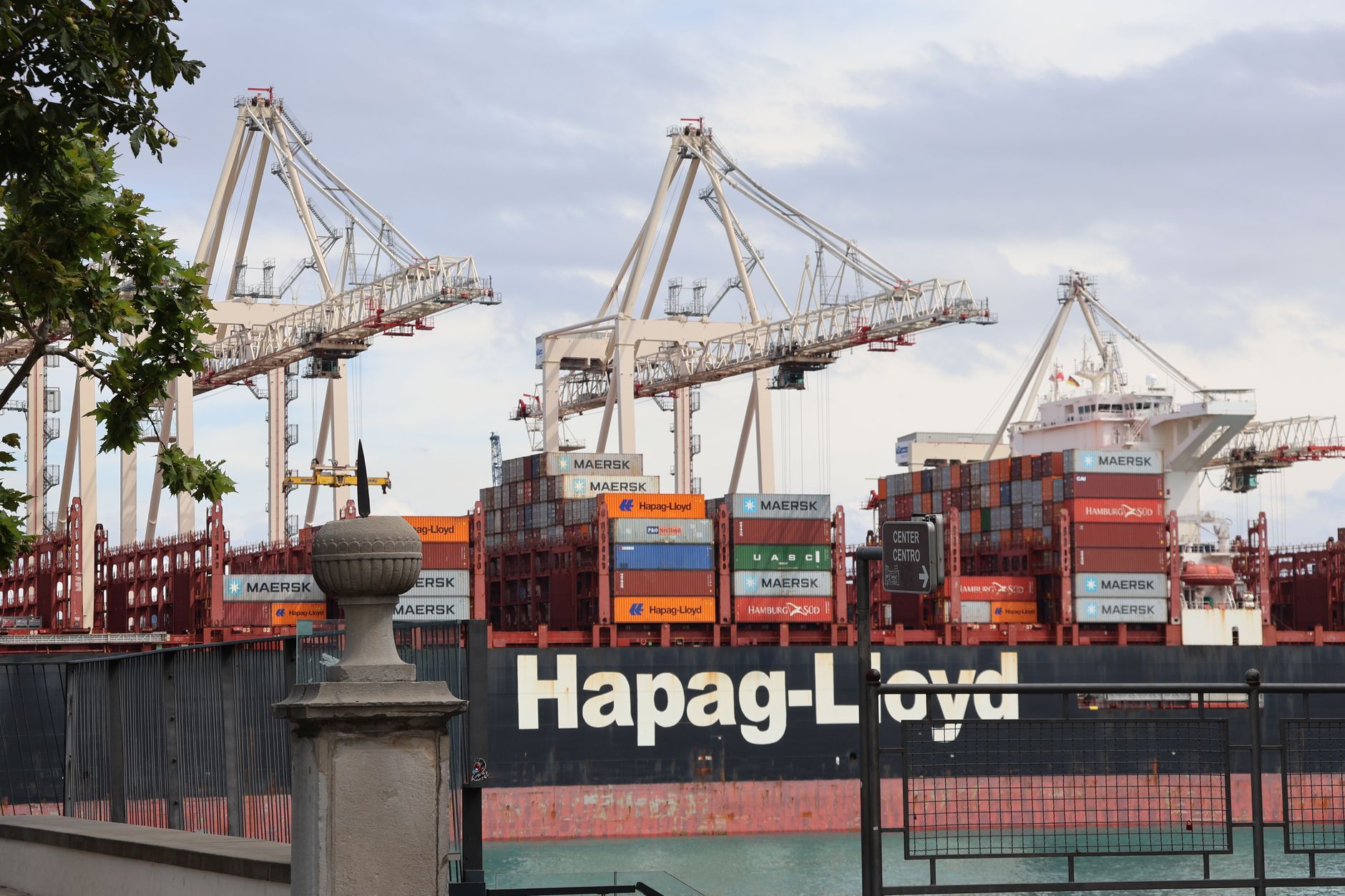
The overwhelming majority of Brazilian frozen chicken bound for South Africa moves in reefer containers through Durban, with Cape Town serving the Western Cape trade. Transit from southern Brazilian ports is long enough that container integrity, not transit time alone, is the risk that matters. Our explainer on reefer containers covers set-point discipline, and the shelf life and storage guide explains how production date and remaining shelf life should be written into the contract rather than assumed.
Two practical habits reduce claims. Specify the temperature set point and the acceptable tolerance in the contract, and require the reefer download at discharge. Second, agree in advance who bears the cost of a detention or a demurrage day caused by a documentation hold, because in South Africa those holds are common enough to be worth pricing.
Step six: build the documentation pack correctly
| Document | Issued by | Role |
|---|---|---|
| Veterinary import permit | DALRRD, Director of Veterinary Services | Authorises the import and prescribes conditions; must precede shipment |
| Veterinary Health Certificate | MAPA official veterinarian, Brazil | Attests animal health status, plant approval and origin in the agreed wording |
| Certificate of origin | Brazilian issuing chamber | Supports origin determination and duty assessment |
| Commercial invoice and packing list | Exporter | Basis of customs valuation; must name the producing establishment |
| Bill of lading | Carrier | Title and release; details must reconcile with the permit |
| Halal certificate, where required | Recognised certifying body | Required for halal-designated programmes and some retail contracts |
Our certifications page sets out the standards Brazil Prime Foods Export works to, and the frozen chicken page lists the cuts and formats available for the South African trade.
Common mistakes in the South African trade
- Shipping ahead of the permit. The most expensive and most avoidable error. There is no retrospective fix.
- Pricing without naming the plant. Because anti-dumping rates are producer specific, a quotation that does not identify the establishment cannot be compared like for like against another offer.
- Assuming a classification. Bone-in, boneless and mechanically deboned product are treated differently. Confirm the tariff line with a clearing agent before contracting rather than after arrival.
- Treating market access as static. Avian influenza suspensions have opened and closed this corridor within a single season. Reconfirm status per shipment.
- Ignoring remaining shelf life. A long transit plus a documentation hold can consume a meaningful share of the product life before the cargo reaches a cold store.
How Brazil Prime Foods Export supports South African buyers
We supply frozen chicken from SIF-registered Brazilian establishments and prepare documentation to match the permit conditions the importer has been issued rather than to a generic template. For South African programmes that means naming the producing establishment clearly at quotation stage so the buyer can model duty exposure accurately, aligning the veterinary certificate wording with the permit, and confirming the current health status of the origin state before each booking.
To discuss a South African programme, request a quote with your target cut, format, monthly volume and destination port, or contact our export team directly. Buyers comparing destinations may also find our guides to Angola and Egypt useful when planning regional coverage.
Regulatory and tariff positions described here reflect publicly available information at the time of writing. Verify current requirements with DALRRD, ITAC, SARS and your clearing agent before contracting. Volume figures are drawn from industry reporting by ABPA, and duty measures from the published record of the International Trade Administration Commission.
Frequently asked questions
- Do I need an import permit before shipping Brazilian chicken to South Africa?
- Yes, and the timing is critical. The veterinary import permit issued by DALRRD must be in place before the goods are loaded in Brazil, not before they arrive in South Africa. A permit obtained while the container is at sea does not regularise the shipment. The importer, not the exporter, applies for the permit.
- Do anti-dumping duties apply to all Brazilian chicken imported into South Africa?
- No. The anti-dumping measures ITAC imposed following its 2021 investigation target frozen bone-in portions classified under tariff subheading 0207.14.9. Boneless cuts and mechanically deboned meat sit on different tariff lines and were not the subject of that bone-in investigation. Confirm the classification of your specific product with a clearing agent, and verify current rates against the published SARS tariff schedule, because measures are periodically reviewed.
- Why does the name of the Brazilian producer affect my landed cost?
- Because the anti-dumping duties on bone-in portions are producer specific. Different Brazilian establishments carry different rates, and the spread between them can be substantial. A quotation that does not identify the producing establishment cannot be compared reliably against another offer, so always ask which plant will manufacture the cargo before modelling landed cost.
- Is Brazilian poultry currently permitted into South Africa?
- South Africa suspended imports of Brazilian poultry in May 2025 after highly pathogenic avian influenza was confirmed in Rio Grande do Sul, then resumed trade with effect from early July 2025 once the outbreak was declared contained and revised Veterinary Health Certificates were agreed. South Africa has applied a regionalised approach, restricting affected zones rather than the whole country. Because this status can change, confirm the position for the specific origin state and establishment at the time of contracting.
- Which South African ports receive Brazilian frozen chicken?
- Durban handles the large majority of the volume, with Cape Town serving the Western Cape trade. Cargo typically loads at southern Brazilian ports such as Itajai, Paranagua or Navegantes. Because the transit is long, specify the reefer set point and tolerance in the contract and require the temperature download at discharge.
- How much Brazilian chicken does South Africa import?
- South Africa is the largest African buyer of Brazilian chicken meat and ranked fourth among all destinations globally in 2025, at roughly 336,000 tonnes, or about 6.5 percent of Brazil's total exported volume according to ABPA reporting. Demand is weighted toward bone-in portions and mechanically deboned meat rather than boneless breast.
References & further reading
Explore our export catalogue
Brazil Prime Foods Export coordinates frozen-meat sourcing and export for wholesale buyers in eligible markets. Confirm the supplying plant and documentation for your order.
Request support
Ask our export team about pricing, specifications, documentation or shipping for your order.
Request a QuoteContact us
Direct line to our trade desk in Brazil, calls, WhatsApp and email.
Contact our team