The short answer
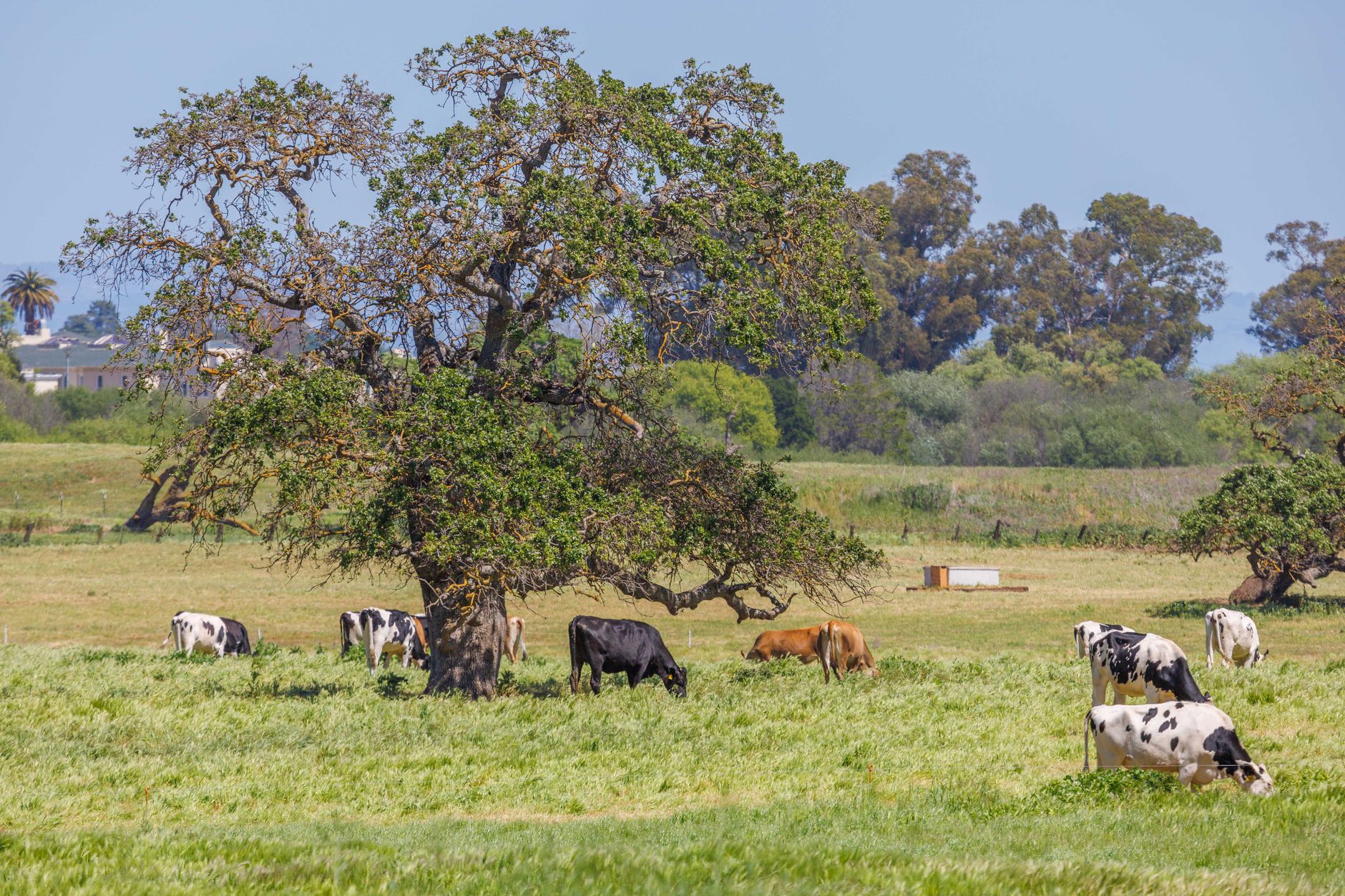
Most Brazilian beef is grass-fed: the large majority of cattle are raised and finished on open pasture, grazing year round, which gives the meat a leaner profile, a firmer texture and a more pronounced beef flavour than heavily grain-finished product. For importers this means competitive pricing, abundant volume and strong halal and health-certified supply, provided you specify feeding claims clearly and verify them before you order.
Brazil is one of the two largest beef exporters in the world and ships to more than 170 countries. Its scale rests on a pasture-based cattle model rather than the feedlot-dominated systems common in North America. This guide explains what grass-fed really means in the Brazilian context, how it differs from grain-finished beef, which markets favour it, and how to write and verify a specification so the product you receive matches the claim you paid for. For the full sourcing process, see our complete guide to importing Brazilian frozen beef.
Why Brazilian beef is predominantly grass-fed
Brazil has a vast land base and a warm climate that supports tropical grasses for most of the year. As a result, the overwhelming majority of Brazilian cattle spend their lives on pasture, and only a minority are finished in feedlots before slaughter. Industry bodies such as the Brazilian Beef Exporters Association (ABIEC) describe the national herd as one of the largest commercial cattle populations in the world, raised primarily on grass.
This is the reverse of the United States model, where cattle are typically moved to feedlots and finished on corn and other grains for an extended period. In Brazil, grain finishing, when it happens at all, is usually a shorter supplementary stage. The practical consequence for buyers is that when you source standard Brazilian beef, you are almost always buying grass-fed or grass-raised product by default, without paying a specialty premium.
Grass-fed versus grain-finished: what the terms mean
The two phrases describe how an animal is fed, especially in the final months before slaughter, and they change the eating quality of the meat.
- Grass-fed (and grass-finished): the animal grazes pasture and forage for its whole life, including the finishing period. The meat is leaner, with less marbling, a firmer bite and a fuller, sometimes described as gamier, flavour.
- Grain-finished: the animal is raised on pasture but moved to a feed ration of grains in its final weeks or months. This adds intramuscular fat, or marbling, producing a softer, richer and more buttery result.
Neither is universally better. The right choice depends on your market, your price point and how the beef will be cooked. A supermarket steak programme and a manufacturing plant grinding for burgers value very different things, which is why matching the feeding claim to the end use matters.
| Attribute | Grass-fed / grass-finished | Grain-finished |
|---|---|---|
| Marbling | Lower, leaner cuts | Higher, more intramuscular fat |
| Fat colour | Tends to be more yellow | Tends to be whiter |
| Flavour | Fuller, more pronounced beef flavour | Milder, richer, buttery |
| Texture | Firmer, cooks faster | More tender, more forgiving |
| Typical positioning | Lean, natural, value to mid volume | Premium tenderness, steak programmes |
What grass-fed means for your product and yield
Because grass-fed beef carries less fat, it generally delivers a higher lean yield per carcass, which suits buyers producing lean trimmings, grinding beef, and portioned cuts where excess fat would be trimmed away anyway. It also cooks faster and can dry out if overcooked, so foodservice teams working with grass-fed cuts should brief their kitchens accordingly.
The trade-off is marbling. If your customers expect the heavy marbling of grain-finished or Wagyu-style beef, standard Brazilian grass-fed cuts will look and eat differently. Selecting the correct Brazilian beef cut for the application, forequarter, hindquarter or trimmings, is as important as the feeding claim itself.
Certification, traceability and halal
Grass-fed status does not replace food-safety and origin certification, it sits alongside it. Reputable Brazilian exporters ship from plants under federal inspection (the SIF system) and provide the sanitary and origin documentation each destination requires. Many plants are also halal certified, which is central to Brazil's strength in the Middle East, North Africa and other Muslim-majority markets.
Ask for the plant's SIF number, its export eligibility for your country, and, where relevant, its halal certificate. A feeding claim is only as trustworthy as the traceability behind it.
To understand the inspection layer, see our explainer on what SIF certification is and our overview of halal frozen beef certification in Brazil. You can also review Brazil Prime Foods certifications directly.
Which markets favour grass-fed Brazilian beef
China is the single largest destination for Brazilian beef, followed by a broad spread of markets across the Middle East, North Africa, the Americas, Europe and Asia. Demand is driven by price competitiveness, reliable volume and halal capability rather than by grain finishing. According to trade reporting compiled from sources such as USDA Foreign Agricultural Service, Brazil continues to expand both the volume and the geographic reach of its beef exports.
For importers, the takeaway is that grass-fed is the mainstream Brazilian product, not a niche. Buyers who specifically want a leaner, natural-positioned beef find Brazil a natural fit, while those chasing heavy marbling should discuss grain-finished options and set expectations before contracting.
How to specify and verify grass-fed claims when ordering
Feeding terms are not regulated identically in every market, so the responsibility sits with the buyer to define what is required and confirm it in the contract.
- State the claim precisely. Decide whether you need grass-fed, grass-fed and grass-finished, or simply pasture-raised, and write it into the specification.
- Tie it to documentation. Ask what evidence supports the claim, such as production records or a certification scheme, rather than accepting a verbal statement.
- Confirm the plant and its approvals. Match the SIF number and export eligibility to your destination, and request the halal certificate if you need it.
- Agree specifications in writing. Cut, packing format, fat limits, temperature and labelling should all be fixed before production.
- Request samples where possible. A sample confirms flavour, fat level and yield before a full container commitment.
Handled this way, grass-fed Brazilian beef offers importers a rare combination of scale, price and consistent quality. To discuss cuts, volumes and feeding specifications for your market, request a quote or contact our export team, and explore the full frozen beef range.
What grass fed means in a Brazilian contract
Grass fed is a production claim, not a grade, and importers should treat it as a claim that requires evidence. In Brazil the majority of cattle are raised on pasture for most of their lives, which is why pasture based descriptions are common, but the exact wording matters for label compliance in the destination market. Buyers should decide in advance whether they need pasture raised, grass fed with no grain finishing, or a certified programme with third party audit, because each carries a different price and a different documentary trail.
Evidence to request before the first shipment
- Plant declaration linking the claim to specific supplier farms and lot codes.
- Traceability records covering birth or entry, movement and slaughter dates.
- Third party audit certificate where the destination market requires one.
- Label artwork approved against destination labelling rules before printing.
- Health certificate wording that does not conflict with the marketing claim.
Eating quality expectations and how to manage them
Pasture raised beef tends to show a leaner fat profile, a firmer texture and a deeper coloured fat than grain finished beef. Retailers who switch origin without adjusting their cooking guidance often receive consumer complaints that are really preparation issues. Two mitigations work well. First, buy cuts with a defined ageing window, since vacuum packed chilled primals gain tenderness across twenty one to twenty eight days. Second, brief the category team on trim and marbling expectations with sample photographs from the first three shipments, so the shelf standard is set from reality rather than from a stock image.
| Programme level | Documentation | Typical premium |
|---|---|---|
| Pasture raised declaration | Plant statement, traceability | Low |
| Grass fed, no grain finishing | Plant statement plus farm records | Moderate |
| Certified programme with audit | Third party certificate per lot | Higher |
Pair the claim with the right logistics decision. Chilled shipments preserve ageing benefit but demand a short transit and a reliable cold chain, while frozen shipments protect shelf life for longer routes. Read chilled versus frozen beef export and beef health certificates before you finalise terms. For programme availability and current pricing, see frozen beef or contact our team.
Label and marketing compliance at destination
A production claim that is legal in one market can be restricted in another, so check the destination rule before printing artwork. Some authorities require a defined feeding period or third party verification for any grass fed statement, others allow a pasture raised description with supporting records only. Where a claim cannot be substantiated to the local standard, use factual descriptions such as pasture based production system, supported by the traceability documents, rather than a regulated term.
Keep the marketing claim, the carton label and the health certificate description consistent. A mismatch between them is a documentary discrepancy under a letter of credit and a common reason for held containers at first import. Retain the plant declaration and audit certificate per lot for the shelf life of the product, so a query months later can be answered with evidence.
Frequently asked questions
- Is most Brazilian beef grass-fed?
- Yes. The large majority of Brazilian cattle are raised and finished on open pasture, grazing year round, so standard Brazilian beef is grass-fed by default rather than as a specialty line. Only a minority of animals are grain finished in feedlots.
- What is the difference between grass-fed and grain-finished beef?
- Grass-fed cattle graze pasture for their whole lives, giving leaner meat with less marbling, a firmer texture and a fuller flavour. Grain-finished cattle are moved onto a grain ration in their final weeks or months, which adds marbling and makes the meat softer and richer.
- Does grass-fed beef from Brazil cost less than grain-fed beef?
- Brazil's pasture-based model and land availability keep production costs competitive, so grass-fed Brazilian beef is generally priced attractively for its quality. Because grass-fed is the mainstream product rather than a niche, buyers usually avoid the specialty premium seen in feedlot-dominated markets.
- Is grass-fed Brazilian beef available halal certified?
- Yes. Many Brazilian plants are halal certified, which underpins Brazil's strong position in the Middle East, North Africa and other Muslim-majority markets. Grass-fed status and halal certification are separate attributes, so confirm both when you order.
- How do I verify a grass-fed claim before ordering?
- State the exact claim you require in the specification, ask what documentation supports it, confirm the plant's SIF number and export eligibility for your country, fix cut and packing details in writing, and request samples where possible before committing to a full container.
- Which cuts are best when buying grass-fed Brazilian beef?
- Grass-fed beef is leaner, so it suits lean trimmings, grinding beef and portioned cuts where excess fat would be trimmed anyway. Match the cut, forequarter, hindquarter or trimmings, to your end use, and brief kitchens that lean cuts cook faster than heavily marbled beef.
References & further reading
Explore our export catalogue
Brazil Prime Foods Export coordinates frozen-meat sourcing and export for wholesale buyers in eligible markets. Confirm the supplying plant and documentation for your order.
Request support
Ask our export team about pricing, specifications, documentation or shipping for your order.
Request a QuoteContact us
Direct line to our trade desk in Brazil, calls, WhatsApp and email.
Contact our team