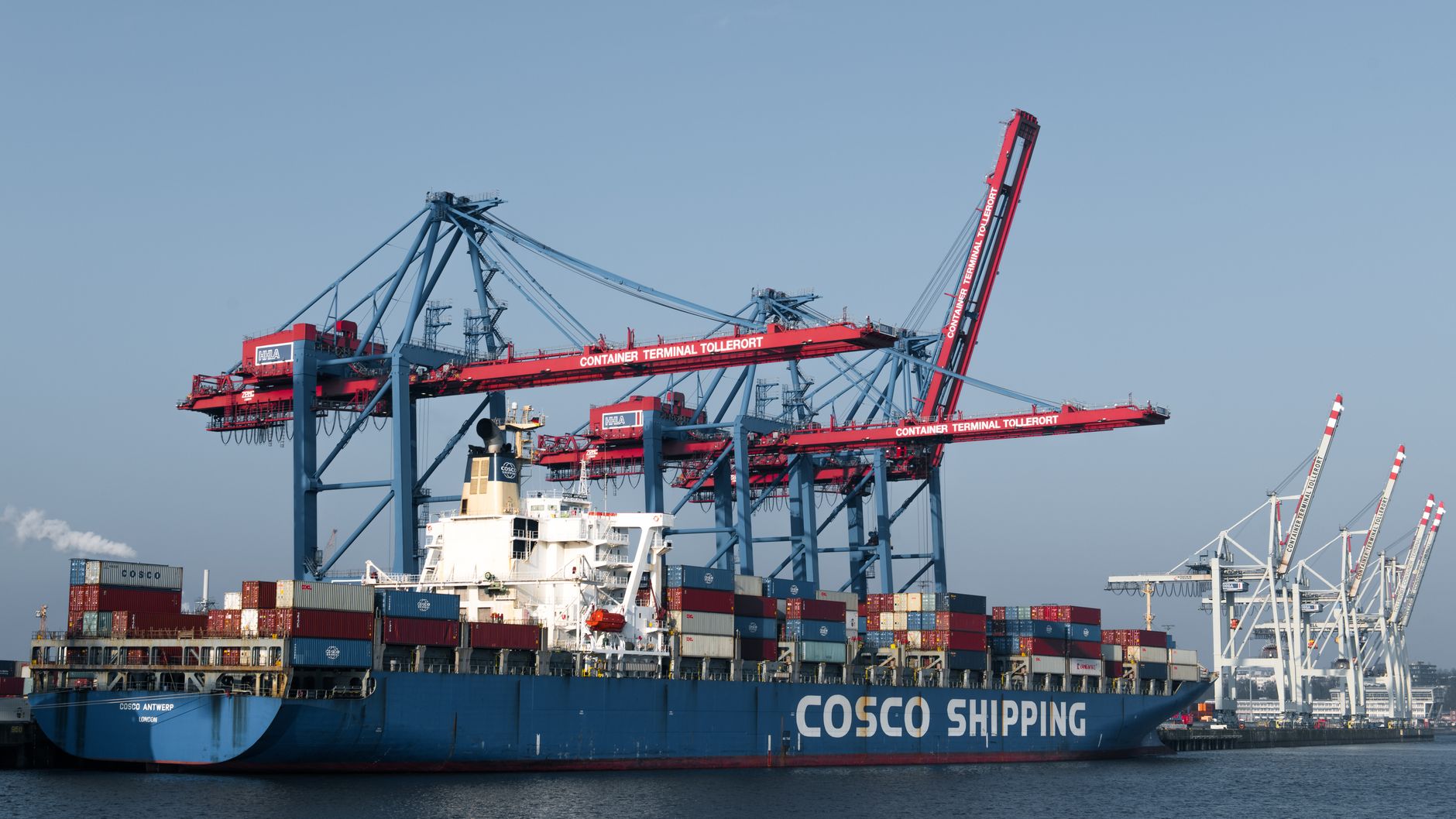
The cold chain is the unbroken series of refrigerated steps, from slaughter and freezing at the plant to cold storage, reefer transport, port handling and the importer's warehouse, that keeps frozen meat at a safe, steady temperature, usually minus 18°C or colder. If any link fails, quality drops, safety risk rises and a shipment can be rejected, so importers should understand each link before they buy.
Cold chain definition in simple terms
For frozen chicken, beef and pork, the cold chain means the product is frozen quickly, held at a stable low temperature and never allowed to warm and refreeze on its way to the buyer. The goal is simple: the meat that arrives should match the meat that left the plant. Freezing slows spoilage and stops most bacterial growth, but it does not repair damage. Meat that thaws partly and refreezes can lose texture, show more drip loss and carry higher safety risk.
The links in a frozen meat cold chain
| Link | What happens | Main risk |
|---|---|---|
| 1. Processing plant | Meat is chilled, packed and frozen, by blast freezing, IQF or block freezing. | Slow or uneven freezing |
| 2. Plant cold store | Cartons are held in frozen storage until the container is booked. | Door openings, power or equipment faults |
| 3. Loading | Product moves from cold store into a pre-cooled reefer container. | Warm product, warm container, long loading time |
| 4. Inland and sea transport | The reefer is powered by the truck, terminal or vessel. | Lost power, wrong set point, delays |
| 5. Ports and customs | The container waits for inspection and clearance, still connected to power. | Unplugged time, demurrage and detention |
| 6. Importer cold store | Cartons move into the buyer's frozen warehouse and then to customers. | Slow unloading, weak cold store discipline |
Why the cold chain matters commercially
A cold chain failure is expensive in three ways. First, the product itself loses value or is condemned. Second, the importer may face a claim dispute over who is responsible. Third, repeat orders suffer, because a buyer who receives soft or glazed-over cartons once will think twice before ordering again. For wholesalers and foodservice buyers, consistent frozen quality matters as much as the price per tonne.
For halal buyers there is an added point: handling and storage conditions form part of the integrity of the product. Our guide on halal integrity and the cold chain explains how the two connect.
Key temperature terms every importer should know
- Set point. The temperature the reefer unit is told to hold. Frozen meat is normally carried at minus 18°C or colder, but the exact setting depends on the product and the buyer's contract. See our guide to reefer container temperatures for frozen meat.
- Core temperature. The temperature inside the carton or product, which is what really counts. Air temperature in the container can look fine while the product is warmer.
- Temperature excursion. Any period when the product moves outside its allowed range. Read how to prevent them in preventing temperature excursions in frozen cargo.
- Pulp temperature. The temperature measured in the product when it is loaded. Cargo should be loaded already at its target temperature, because a reefer maintains cold, it does not freeze warm meat.
- Data logger. A small device placed in the container that records temperature through the journey, giving both sides evidence if there is a dispute.
Common cold chain failures
- Loading warm product. Meat that has not reached target temperature before loading cannot be corrected by the container.
- Poor stowage. Cartons stacked above the load line or blocking airflow create warm spots. See container loading and stowage for frozen cargo.
- Power gaps. Delays at terminals or during transfers can leave a reefer without power.
- Long clearance times. Waiting in the yard for inspection raises both risk and cost.
- Weak last-mile handling. Product that arrives in good condition can still be damaged on an open loading dock.
How importers can protect the cold chain
Start with the supplier. Ask whether the plant works under a documented food safety system such as HACCP and whether temperature records are kept at freezing, storage and loading. Then agree in writing the required carton temperature at loading, the reefer set point, the use of data loggers and how a temperature dispute will be handled. Finally, plan the receiving end: book the cold store before the vessel arrives, make sure customs agents know the cargo is perishable and move cartons from container to freezer quickly.
Official guidance on food hygiene and cold storage is available from the Food and Agriculture Organization (FAO), and Brazilian export inspection rules are set by the Ministry of Agriculture and Livestock (MAPA). For the full logistics picture, read our frozen food cold chain logistics guide.
Cold chain and product choice
Different products stress the cold chain differently. Bone-in cuts and whole birds are more forgiving of small variations than thin, IQF items, which can show frost and clumping if temperature swings. Whichever product you buy, ask for clear specifications. You can review our range of frozen chicken, frozen beef and frozen pork, then request a quote that states the storage and loading conditions you need, or contact our team with questions about shipping to your market.
Frequently asked questions
- What is the cold chain in the frozen meat trade?
- It is the continuous series of refrigerated steps that keeps frozen meat at a safe, steady temperature from the processing plant to the importer's warehouse. A break at any step can damage quality or safety.
- What temperature should frozen meat be kept at during export?
- Frozen meat is normally held at minus 18°C or colder. The exact set point and acceptable range should be agreed in the sales contract and checked against the destination country's rules.
- Can a reefer container freeze meat that is loaded warm?
- No. A reefer is built to maintain temperature, not to freeze warm cargo. Meat must reach its target temperature before it is loaded.
- What is a temperature excursion?
- It is any period when the product moves outside its allowed temperature range, for example because of a power loss, a wrong set point or a long delay. Data loggers help show whether and when one happened.
- How can importers prove the cold chain was kept?
- Ask for temperature records from the plant, a data logger in each container and clear receiving checks at your warehouse. Together these give evidence if there is a quality claim.
- Does the cold chain matter for halal meat?
- Yes. Buyers of halal products usually expect storage and handling to protect the integrity of the product as well as its quality, so cold chain records and segregation are part of good practice.
References & further reading
Explore our export catalogue
Brazil Prime Foods Export coordinates frozen-meat sourcing and export for wholesale buyers in eligible markets. Confirm the supplying plant and documentation for your order.
Request support
Ask our export team about pricing, specifications, documentation or shipping for your order.
Request a QuoteContact us
Direct line to our trade desk in Brazil, calls, WhatsApp and email.
Contact our team